
Running a growing company is an exciting journey, but it often brings hidden challenges. As your order volume climbs, you might find that your current inventory management methods are no longer enough to keep up with demand. Relying on spreadsheets or manual tracking can lead to costly errors that hurt your bottom line.
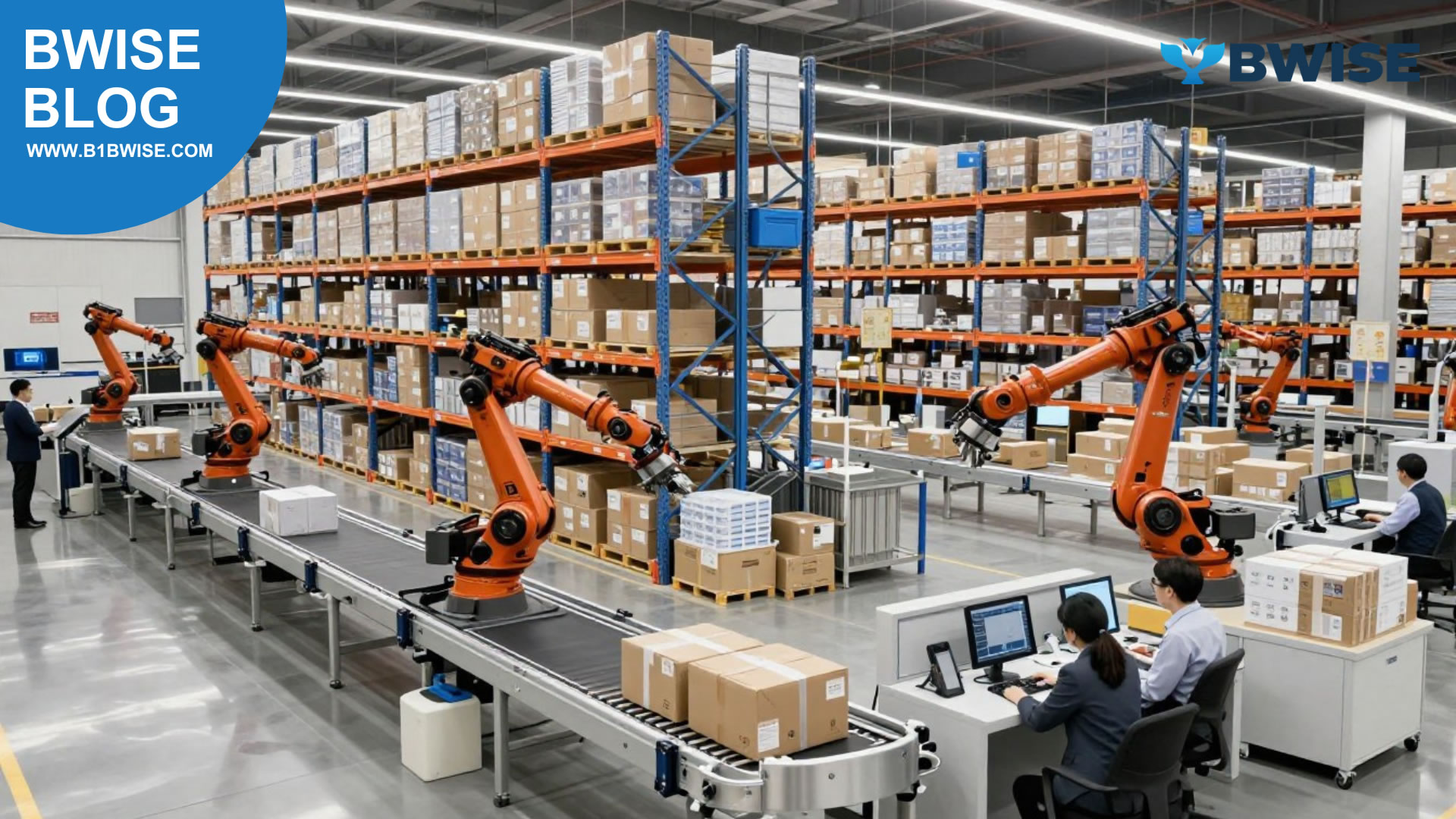
Transitioning to a professional warehousing system is a major milestone for any expanding brand. This upgrade helps you gain better control over your stock and improves overall efficiency. By optimizing your inventory management, you ensure that your customers receive their orders on time, every time. If you are ready to scale, investing in a robust warehousing system is the smartest move you can make to stay competitive.
Key Takeaways
- Manual tracking methods often fail as your business grows.
- Efficient stock control is vital for maintaining customer satisfaction.
- Upgrading your tools reduces costly errors and saves valuable time.
- Better organization leads to faster order fulfillment and higher profits.
- Recognizing these signs early helps you prepare for future success.
Frequent Inventory Discrepancies and Stockouts
Frequent inventory discrepancies and stockouts can be a significant indicator that a business needs to reassess its warehousing and supply chain solutions. When inventory levels are not accurately tracked, it can lead to overstocking or understocking, both of which have negative financial implications.
Inventory discrepancies occur when the actual stock levels differ from what is recorded in the inventory management system. This can be due to various reasons such as theft, damage, or incorrect recording. Stockouts, on the other hand, happen when a business runs out of stock of a particular item, leading to missed sales opportunities and potential damage to customer relationships.
A robust warehousing system can help mitigate these issues by providing accurate and real-time inventory tracking. This enables businesses to maintain optimal stock levels, reduce discrepancies, and prevent stockouts. By implementing effective fulfillment solutions, businesses can ensure that their supply chain operates smoothly and efficiently.
Moreover, a modern warehousing system can help businesses to streamline their operations, improve inventory management, and enhance their overall supply chain solutions. By doing so, businesses can improve customer satisfaction by ensuring that products are available when needed.
Ultimately, investing in a reliable warehousing system and fulfillment solutions can lead to cost savings, improved customer satisfaction, and a competitive edge in the market.
Scaling Challenges in Your Current Fulfillment Process
One of the key indicators that your business needs a warehousing system is the struggle to scale your fulfillment process efficiently. As your business grows, the complexity of managing inventory, orders, and shipping can become overwhelming. An automated storage system can be a game-changer in this scenario, enabling you to handle increased demand without a proportional increase in labor or errors.
Scaling your fulfillment process involves more than just handling more orders; it requires efficient inventory management, streamlined picking and packing processes, and reliable shipping. Without a robust warehousing system, these processes can become bottlenecks, slowing down your entire operation. For instance, manual inventory tracking can lead to inaccuracies and delays, while inefficient storage systems can result in wasted time and resources.
An automated storage system is designed to optimize storage capacity and streamline the retrieval of inventory. By automating the storage and retrieval processes, businesses can significantly reduce the time and labor required to manage their inventory. This not only improves efficiency but also reduces the likelihood of human error, ensuring that orders are fulfilled accurately and on time.
By implementing an automated storage system, businesses can overcome the scaling challenges associated with their fulfillment processes. This technology enables companies to efficiently manage growing demands, improve inventory accuracy, and reduce operational costs. As a result, businesses can focus on growth strategies while ensuring that their logistics and supply chain operations are robust and reliable.

Rising Operational Costs and Labor Inefficiency
One of the key indicators that a business needs a warehousing system is the rise in operational costs coupled with labor inefficiency. As businesses grow, their logistics and warehousing needs become more complex, often leading to increased costs and reduced efficiency.
A significant factor contributing to these rising costs is the lack of an efficient logistics software solution. Implementing a comprehensive warehousing system that includes advanced logistics software can help streamline operations, reduce manual errors, and improve overall labor efficiency.
By automating tasks and providing real-time data, logistics software enables businesses to make informed decisions, optimize their warehouse operations, and ultimately reduce operational costs. This not only improves the bottom line but also enhances customer satisfaction by ensuring timely and accurate order fulfillment.
Furthermore, a modern warehousing system helps in identifying areas of inefficiency and provides tools to address these issues, leading to a more streamlined and cost-effective operation.
Lack of Real-Time Visibility into Supply Chain Solutions
The absence of real-time visibility into supply chain solutions can severely hinder a business’s ability to make informed decisions. In today’s complex supply chains, having accurate and timely information is crucial for efficient operations.
Distribution center technology plays a vital role in providing real-time insights into supply chain operations. By leveraging advanced technologies such as RFID, barcode scanning, and data analytics, businesses can gain a clearer understanding of their inventory levels, shipment status, and overall supply chain performance.
Real-time visibility enables businesses to respond quickly to changes in demand, supply chain disruptions, or other issues that may arise. It helps in reducing lead times, improving inventory management, and enhancing customer satisfaction.
Moreover, with real-time data, businesses can optimize their supply chain operations, reduce costs, and improve their bottom line. By adopting modern distribution center technology, companies can overcome the challenges posed by the lack of real-time visibility and stay ahead in the competitive market.
In conclusion, integrating distribution center technology is essential for achieving real-time visibility into supply chain solutions. This not only improves operational efficiency but also enables businesses to make data-driven decisions, ultimately driving growth and profitability.
Difficulty Managing Multi-Channel Distribution
Effective multi-channel distribution requires a robust warehousing system to ensure timely and accurate order fulfillment. As businesses expand their sales channels, they face the challenge of managing inventory, orders, and shipping across multiple platforms.
Warehouse optimization plays a crucial role in addressing this challenge. By implementing efficient warehouse management strategies, businesses can streamline their distribution processes, reduce costs, and improve customer satisfaction.
One of the key benefits of warehouse optimization is the ability to manage inventory effectively across multiple channels. This includes implementing inventory management systems that provide real-time visibility into stock levels, automating order processing, and optimizing picking and packing processes.
Furthermore, a well-optimized warehouse enables businesses to handle returns and exchanges efficiently, which is critical for maintaining customer trust and loyalty in a multi-channel distribution environment.
By leveraging warehouse optimization strategies, businesses can overcome the difficulties associated with managing multi-channel distribution, ensuring that they remain competitive in a rapidly evolving market.

Why Your Business Needs a Modern Warehousing System
A modern warehousing system is no longer a luxury, but a necessity for businesses aiming to enhance their fulfillment solutions. By adopting such a system, businesses can significantly improve their operational efficiency and responsiveness to customer demands.
One of the primary benefits of a modern warehousing system is its ability to integrate seamlessly with various supply chain solutions. This integration enables businesses to have real-time visibility into their inventory levels, track shipments, and manage their supply chain more effectively.
Furthermore, a modern warehousing system can help businesses reduce operational costs and improve labor efficiency. By automating many tasks and providing a clear overview of warehouse operations, these systems enable businesses to identify areas of inefficiency and make data-driven decisions.
Incorporating a modern warehousing system into your business operations can be a game-changer, especially in today’s competitive market. It not only enhances your fulfillment solutions but also strengthens your overall supply chain solutions, giving you a significant edge over your competitors.
Conclusion
Effective inventory management is crucial for businesses to stay competitive and achieve overall success. As discussed, signs such as frequent inventory discrepancies, scaling challenges, and rising operational costs indicate the need for a reliable warehousing system.
Implementing a modern warehousing system can help businesses streamline their operations, improve inventory management, and enhance their supply chain visibility.
By recognizing the signs of needing a warehousing system, businesses can take proactive steps to optimize their logistics and improve their bottom line.
A well-designed warehousing system is essential for businesses aiming to improve their operations and stay ahead in today’s fast-paced market.