
Managing a busy facility requires precision at every stage, from the moment goods arrive until they reach the customer. A modern barcode inventory control system bridges the gap between receiving, storage, picking, packing, and shipping. By automating these essential tasks, teams can eliminate the errors often caused by manual data entry.
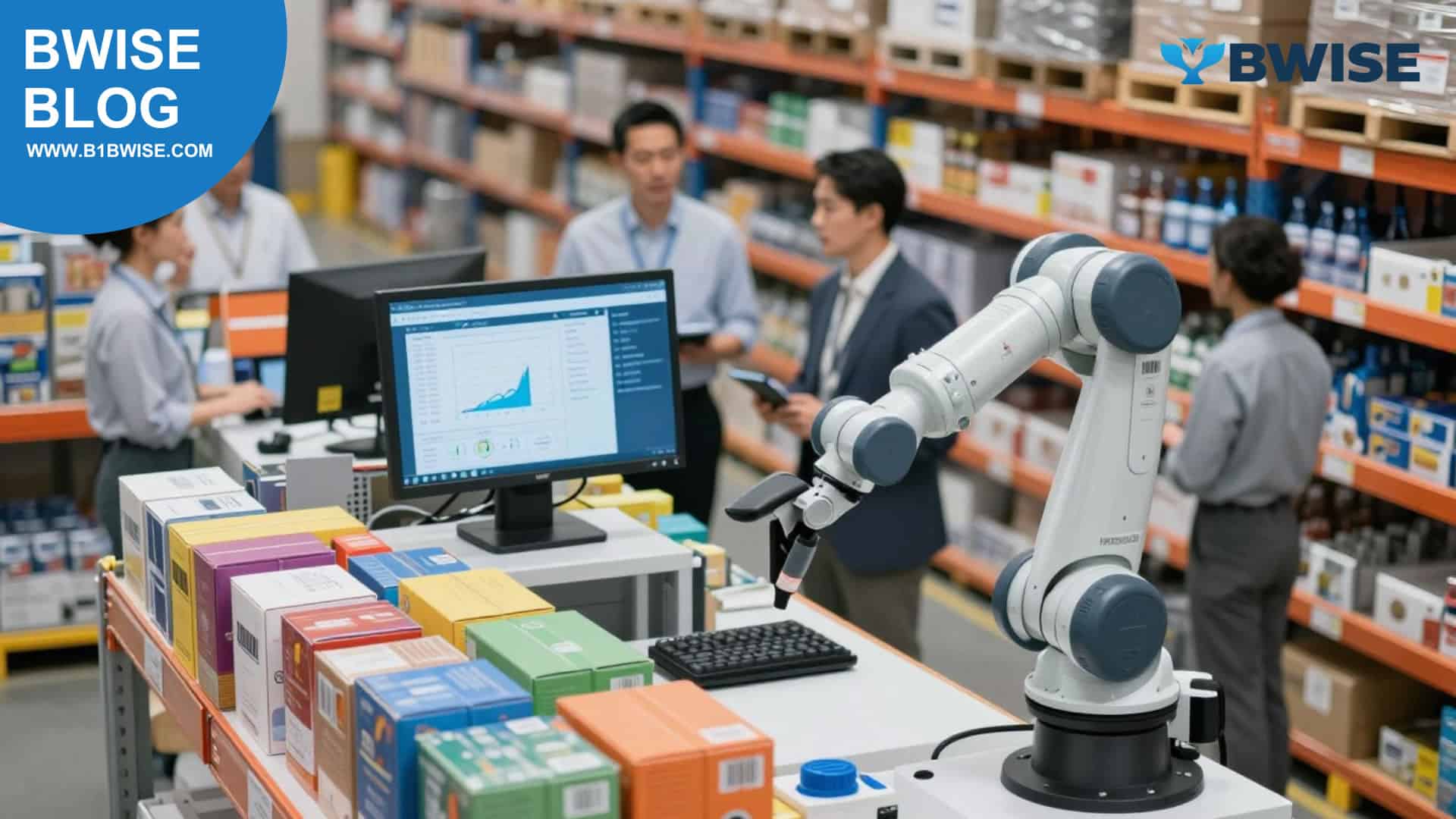
Implementing a reliable warehouse inventory system provides real-time visibility into your stock levels. This clarity allows managers to make faster, more informed decisions that keep operations running smoothly. When your team spends less time tracking items, they gain more time to focus on growth and customer satisfaction.
Key Takeaways
- Automated scanning significantly reduces human error in data entry.
- Real-time tracking improves visibility across all warehouse operations.
- Streamlined workflows connect receiving, picking, and shipping seamlessly.
- Faster access to data supports better decision-making for stock management.
- Enhanced accuracy leads to higher levels of customer satisfaction.
Why Warehouse Accuracy Matters to Modern Operations
Maintaining precise inventory records is no longer just a goal; it is a necessity for modern businesses. When your data matches your physical stock, your order fulfillment process runs smoothly and reliably. This consistency directly boosts customer satisfaction, as buyers receive exactly what they ordered on time.
A robust stock control system acts as the foundation for these operations. Without it, warehouses often struggle with hidden errors that lead to costly shipping mistakes. By implementing an automated inventory system, managers can eliminate manual entry errors that frequently plague traditional tracking methods.
Labor efficiency also sees a significant improvement when accuracy is prioritized. Employees spend less time searching for missing items or correcting inventory counts, allowing them to focus on high-value tasks. This shift in workflow helps teams maintain a faster pace during peak demand periods.
Furthermore, accurate data empowers better purchasing decisions. A reliable stock control system provides the insights needed to avoid the twin traps of stockouts and overstocking. With an automated inventory system, businesses can leverage real-time data to improve demand forecasting and optimize their capital investment.
What a Barcode Inventory Control System Does
At its core, a barcode inventory control system bridges the gap between physical stock and digital records. By using unique labels, a barcode scanner system captures data instantly as items move through your facility. This process ensures that your software always reflects the real-time status of your warehouse.
When a worker scans an item, the system updates the database immediately. This eliminates the need for manual logs and reduces human error significantly. Reliable barcode inventory tracking allows managers to monitor stock levels, location history, and order fulfillment status with total precision.
Common barcode formats used in warehouse environments
Warehouses typically utilize two main types of barcodes to manage their goods. One-dimensional (1D) barcodes, such as the standard UPC or Code 128, are the most common choice for simple identification. These linear codes are highly efficient for high-speed scanning in fast-paced shipping environments.
Two-dimensional (2D) barcodes, like QR codes or Data Matrix, offer more advanced capabilities. They store significantly more information, including batch numbers and expiration dates, in a smaller space. Choosing the right format depends on how much data you need to encode for your specific operations.
Mobile barcode scanner systems versus fixed scanning stations
Deciding between mobile and fixed hardware depends on your specific workflow needs. A mobile barcode scanner system provides the flexibility required for picking and cycle counting across large warehouse aisles. Workers can move freely, which increases overall productivity and speed.
In contrast, fixed scanning stations offer unmatched consistency for high-volume conveyor lines. These systems are permanently mounted to ensure every package is scanned automatically as it passes by. Many successful operations use a combination of both to achieve maximum accuracy in their barcode inventory tracking efforts.

How Barcode Scanning Improves Warehouse Accuracy
Implementing a barcode inventory control system transforms how your team handles daily stock movements. By replacing manual data entry with digital scanning, you eliminate the human errors that often plague traditional record-keeping. This shift ensures that every item is tracked with precision from the moment it enters your facility.
When a worker scans an item, the inventory management software instantly validates its identity, quantity, and current location. This process creates a reliable digital footprint for every transaction. Because the system records the exact timing of each movement, managers gain full visibility into the warehouse workflow.
Effective barcode inventory management relies on reducing unnecessary keystrokes during the receiving and picking stages. By automating data capture, your staff spends less time typing and more time fulfilling orders. This efficiency naturally leads to a significant reduction in costly shipping mistakes.
The software also acts as a safeguard by flagging potential mismatches before they reach the customer. If a scan indicates an incorrect item or quantity, the system alerts the operator immediately. This proactive approach ensures that your inventory management software maintains high data integrity throughout the entire supply chain.
Ultimately, a robust barcode inventory control system provides a clear audit trail for every product. This transparency helps teams identify bottlenecks and optimize storage space. By relying on accurate, real-time data, your business can maintain higher service levels and improve overall operational success.
Key Benefits for Inventory Management and Stock Control
A high-performing warehouse inventory system provides the clarity needed to scale your operations successfully. By moving away from manual entry, teams gain real-time visibility into every item currently on the shelf. This instant access to data allows managers to make informed decisions without waiting for end-of-day reports.
One of the most significant advantages is the ability to conduct faster cycle counts. Instead of shutting down operations for a full physical audit, staff can scan items quickly to verify quantities. This process ensures that your records always match the physical stock, which is the hallmark of a reliable stock control system.
Accuracy in the warehouse directly impacts your bottom line by reducing picking mistakes. When workers use scanners to confirm items, the error rate drops significantly compared to manual paper-based picking. This precision leads to happier customers and fewer costly returns due to shipping the wrong products.
Businesses often pair their primary platform with specialized asset tracking software to monitor high-value equipment or serialized items. This combination ensures that expensive tools and reusable containers are never lost or misplaced during the transit process. It creates a comprehensive safety net for your most valuable company resources.
Finally, a modern stock control system enables more dependable replenishment cycles. By setting automated alerts for low stock, you avoid the common trap of running out of essential items during peak demand. Integrating asset tracking software alongside your standard inventory tools provides a complete picture of your entire supply chain health.
How to Build a Barcode Inventory Management Workflow
You can transform your warehouse operations by designing a structured workflow that tracks every item from arrival to shipment. A successful process begins with clear label creation and continues through receiving, put-away, and internal transfers. By integrating an automated inventory system, you ensure that every movement is recorded in real-time, which drastically reduces human error.
Your daily tasks should include consistent picking, regular cycle counts, and necessary stock adjustments. When you follow these steps, you maintain high data integrity across your entire facility. Always consult manufacturer specifications and tested implementation practices to ensure your hardware and software work in harmony.
Choosing between handheld, mobile, and wearable barcode scanners
Selecting the right hardware is a critical step in building your barcode scanner system. Handheld scanners are ideal for stationary workstations where speed and durability are the primary concerns. If your team moves frequently across the warehouse floor, mobile devices offer the flexibility needed to scan items on the go.
Wearable scanners provide a hands-free experience that can significantly boost productivity during high-volume picking tasks. When comparing these options, consider the specific ergonomic needs of your staff and the physical layout of your storage areas. Choosing the correct device ensures that your team remains efficient throughout their entire shift.
Setting permissions and approval rules in inventory management software
Effective control requires more than just hardware; it demands robust inventory management software to oversee your data. You should define specific user permissions to ensure that only authorized personnel can perform sensitive tasks like stock adjustments or system overrides. This layer of security protects your data from accidental changes.
Implementing approval rules within your inventory management software creates a necessary audit trail for complex transactions. By using an automated inventory system, you can flag discrepancies for management review before they impact your records. These controls turn your barcode scanner system into a powerful tool for maintaining long-term operational accuracy.

Choosing Software and Measuring System Performance
Selecting the right tools is the first step toward warehouse excellence. When evaluating asset tracking software, prioritize solutions that offer seamless integrations with your existing ERP or accounting platforms. You should also look for high device compatibility, ensuring the software runs smoothly on both industrial scanners and mobile devices.
User experience plays a vital role in how quickly your team adopts new technology. A clean, intuitive interface reduces training time and minimizes errors during daily tasks. Furthermore, choose a platform that offers scalability, allowing your digital infrastructure to grow alongside your business volume.
Inventory accuracy and order-picking accuracy
High-quality barcode inventory tracking provides the data needed to maintain tight control over your stock levels. Inventory accuracy measures how closely your digital records match the physical items on your shelves. When this number is high, you avoid the costly pitfalls of overstocking or missing items.
Order-picking accuracy is equally important for customer satisfaction. By scanning items at the point of pick, you ensure that the right product reaches the right customer every time. Reducing picking errors directly lowers return rates and boosts your brand reputation.
Cycle-count variance, scan compliance, and inventory turnover
Effective barcode inventory management relies on tracking specific performance metrics to identify bottlenecks. Cycle-count variance tracks the difference between your system counts and physical counts during routine audits. A low variance indicates that your team is following procedures correctly and that your data remains reliable.
Scan compliance measures how often your staff uses the system as intended rather than relying on manual overrides. High compliance is a strong indicator of operational discipline. Finally, monitoring inventory turnover helps you understand how quickly you sell and replace stock, ensuring your capital is not tied up in slow-moving goods.
Conclusion
Achieving peak efficiency requires more than just buying new tools. A successful barcode inventory control system relies on the harmony between reliable hardware, smart software, and your team.
Start by evaluating your current stock control system to find hidden gaps in your data. Establish clear baseline metrics to track your progress over time. Small, staged improvements often lead to the most sustainable results for your business.
Invest time in training your staff to use these new digital tools effectively. When your employees understand the value of accurate scanning, your entire operation gains momentum. Consistent habits turn a simple barcode inventory control system into a powerful engine for growth.
Take the first step today by auditing your existing processes. Refine your approach to maintain a high-performing stock control system that supports your long-term goals. Your warehouse team will appreciate the clarity and precision that comes with modern technology.