
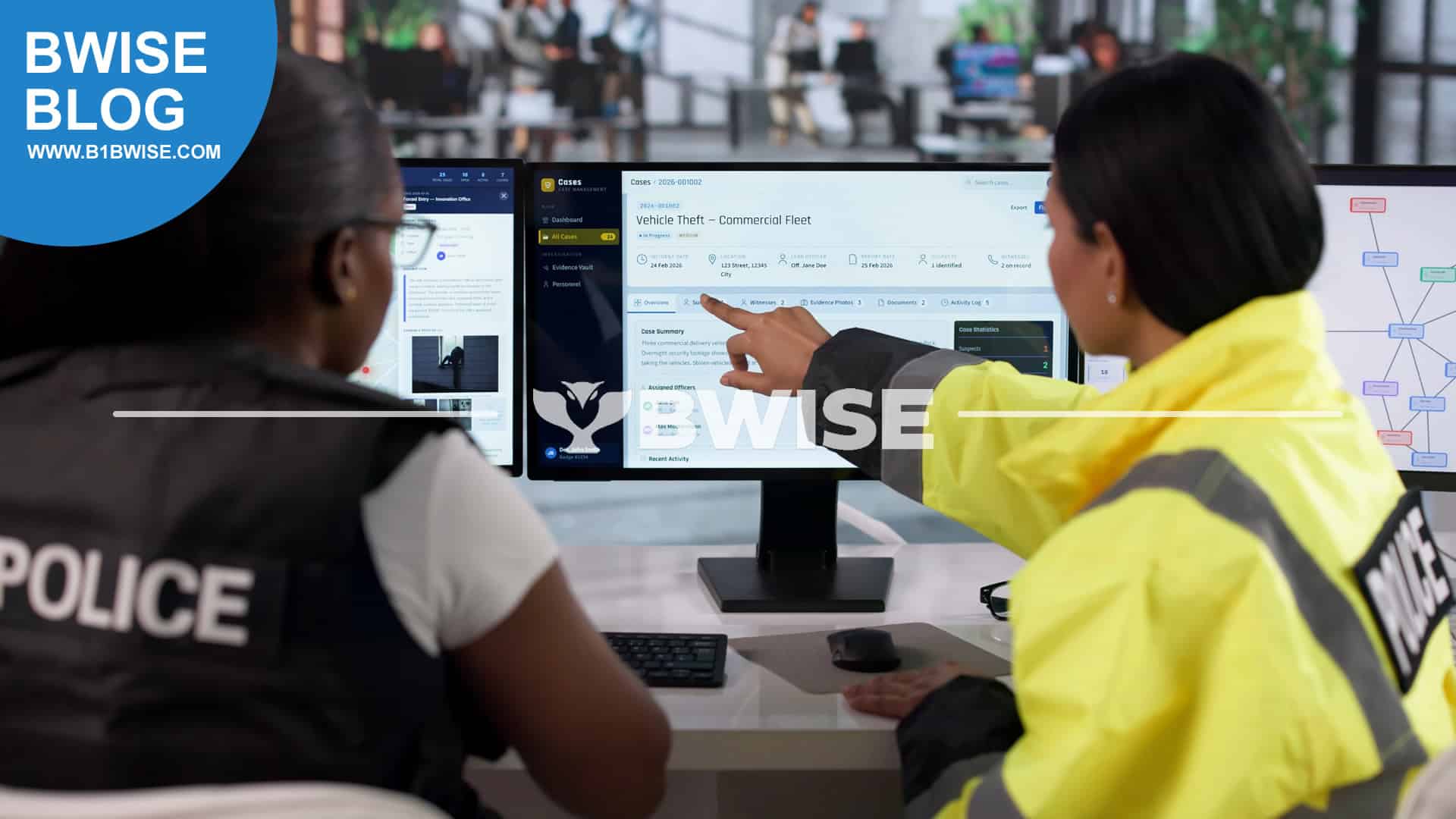
When a crisis strikes, municipal dispatch centers, fire departments, emergency medical services (EMS), and law enforcement agencies must function as a single, synchronized unit. In these high-stakes moments, fractions of a second decide outcomes. Yet, many public safety agencies continue to fight operational friction caused by fractured technology.
An emergency response Enterprise Resource Planning (ERP) platform combined with modern public safety software provides the digital backbone required for rapid coordination. True operational readiness comes down to how well these platforms integrate with daily workflows. Optimizing your agency’s software architecture requires establishing a reliable, resilient, and highly secure framework for emergency response data.
Moving Beyond Siloed Operational Systems
Historically, emergency services have relied on specialized, standalone applications. A dispatch center might use one Computer-Aided Dispatch (CAD) vendor, police units utilize a separate Records Management System (RMS), and municipal infrastructure teams manage utility routing via entirely different software.
These data silos create dangerous communication gaps. When systems cannot pass information automatically, dispatchers must manually relay notes via voice radio, increasing the risk of data transcription errors. Siloed systems slow down overall response times, obscure the geographic relationships between resources, and limit an agency’s situational awareness.
A unified public safety software strategy blends these distinct functions into a single shared operational view. By connecting dispatch workflows, geographic information systems (GIS), and field personnel updates, your command center gains immediate clarity regarding incident status and resource placement.
Core Best Practices for Public Safety Software Architecture
Deploying software for emergency services requires prioritizing reliability and real-time connectivity over general-purpose features. Public safety teams need a reliable foundation designed to function under intense pressure.
1. Prioritize Multi-Agency Interoperability
An emergency rarely respects jurisdictional or departmental borders. A major structural fire or traffic incident frequently requires simultaneous response from fire, police, medical, and public works personnel.
Your software environment must support open application programming interfaces (APIs) and standard data schemas. System data must transfer seamlessly between regional dispatch groups, county services, and state agencies. True interoperability ensures that when a regional unit arrives to assist, their mobile data terminal receives the exact location details, hazard warnings, and routing paths as the local handling units.
2. Implement Next Generation 911 Integration
Legacy emergency systems were built to process voice data alone. Modern emergency response demands the inclusion of Next Generation 911 (NG911) capabilities.
- Multi-Media Ingestion: Dispatchers must have the infrastructure to securely accept, log, and route text messages, live video feeds, and photos sent from citizen mobile devices.
- Precise Geographic Location Data: Software platforms should instantly pull real-time location metrics directly from cellular networks rather than relying on outdated landline billing addresses.
- On-Scene Visual Context: Feeding live visual streams into the CAD system gives responding units an accurate view of on-scene hazards before they step out of their vehicles.
3. Require Mobile-First, Offline-Capable Applications
Critical emergencies regularly damage telecommunications networks or occur in areas with poor cellular coverage. If a public safety app requires a constant, high-bandwidth connection to function, it will fail field crews when they need it most.
Ensure your mobile client software features a robust offline data mode. Field personnel should be able to look up hazard documentation, view foundational maps, log incident reports, and document medical data directly onto their devices without a network connection. Once cellular or radio data access restores, the software must sync the stored local updates back to the central database automatically, without overwriting simultaneous team entries.
Elevating Fleet and Resource Management via Emergency ERPs
While public safety software manages the active incident, an emergency response ERP controls the operational infrastructure behind the scenes. Integrating your dispatch ecosystem with a dedicated public safety ERP ensures that the resources sent to an active scene are safe, certified, and fully functional.
Automated Personnel Verification
An ERP should continuously monitor personnel records, tracking current medical certifications, tactical training clearances, and shift schedules. When an incident commander attempts to assign an officer or paramedic to a specialized task, the integrated system confirms in real time that the individual holds the required current certifications. This step reduces agency liability and protects team safety on the front lines.
Dynamic Fleet and Supply Management
Emergency response vehicles carry complex configurations of high-value tools, medical supplies, and protective gear. An optimized ERP monitors these assets continuously, keeping tracking simple and accurate.
- Real-Time Maintenance Lockouts: If a vehicle flags a major mechanical defect, the ERP automatically updates its status to out-of-service, blocking dispatch operators from assigning that unit to active emergencies.
- Automated Asset Tracking: Linking equipment checkout routines to the dispatch record creates an unalterable history of custody, tracking exactly which thermal cameras, radios, or medical bags went to a specific scene.
- Consumable Reorder Points: When paramedics log the usage of medications or trauma supplies on an electronic medical record, the ERP decrements the station’s inventory and initiates a restocking request automatically.
Safeguarding the Data Pipeline
Because public safety records contain highly sensitive criminal justice information, protected health data, and critical infrastructure details, data security is non-negotiable. Agencies must deploy an architecture that meets stringent security requirements, including Criminal Justice Information Services (CJIS) standards and HIPAA protocols.
Implement end-to-end encryption for all data moving between field devices and central databases. Mandate multi-factor authentication for every user login and establish immutable audit trails that record every single database access, edit, or file transfer. This protective layer ensures data integrity, defends the chain of custody for legal evidence, and preserves community trust.
Protecting the Front Line Through System Stability
Optimizing your department’s public safety software framework is about more than making clerical work easier. It is a fundamental choice to support the first responders handling high-stress operations. Eliminating broken data bridges and integrating administrative ERP functions with direct response workflows removes unnecessary mental friction from field personnel.
Investing in open interoperability, resilient offline capabilities, and secure data pathways transforms software from an administrative chore into a life-saving tool. This level of system cohesion keeps your teams informed, protects your community, and ensures your agency is completely ready to respond whenever a call comes in.