
Running a business in today’s fast-paced environment requires efficiency, agility, and informed decision-making. A cloud-based ERP system can be the key to achieving these goals.
By integrating various business functions into a single, unified platform, a cloud ERP system enables organizations to streamline operations, enhance productivity, and drive growth.
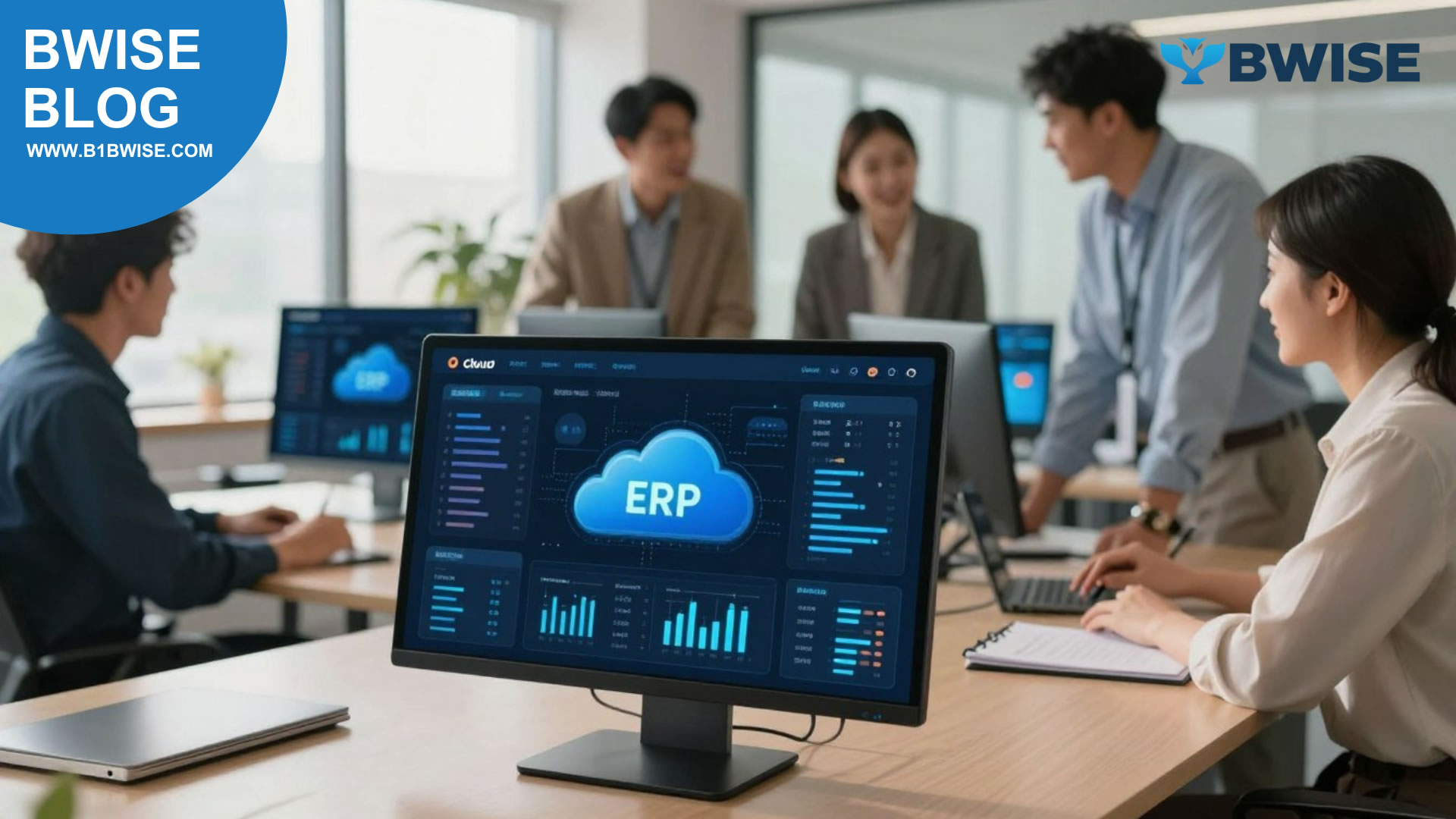
With a cloud-based ERP, businesses can access critical information in real-time, make data-driven decisions, and respond quickly to changing market conditions.
Key Takeaways
- Cloud ERP systems integrate business functions into a single platform.
- They enhance productivity and drive business growth.
- Real-time access to critical information enables informed decision-making.
- Cloud-based ERP systems improve operational efficiency.
- They support businesses in responding to changing market conditions.
Understanding Cloud ERP: Evolution and Fundamentals
As technology advances, Cloud ERP has emerged as a critical tool for modern businesses, enhancing operational efficiency. Cloud ERP, or Enterprise Resource Planning, refers to the deployment of ERP systems over the cloud, providing a more flexible, scalable, and cost-effective solution compared to traditional on-premise ERP systems.
The evolution of ERP systems to the cloud has been driven by the need for greater agility and responsiveness in a rapidly changing business environment. Cloud ERP solutions offer real-time data access, improved collaboration, and enhanced decision-making capabilities.
Public Cloud ERP is hosted by a third-party provider and is delivered over the internet. This model offers scalability and cost-effectiveness, as businesses can scale their ERP resources up or down according to their needs, without the significant upfront costs associated with traditional ERP systems.
- Reduced infrastructure costs
- Automatic software updates
- Enhanced disaster recovery
Private Cloud ERP
Private Cloud ERP, on the other hand, is dedicated to a single organization and can be hosted either internally or by a third-party provider. It offers a more secure and customizable environment, tailored to the specific needs of the business.
- Greater control over data security
- Customization to meet specific business needs
- Improved performance and reliability
Hybrid Cloud ERP
Hybrid Cloud ERP combines elements of both public and private cloud models, offering the best of both worlds. It allows businesses to leverage the scalability of public cloud while maintaining sensitive data in a more secure private cloud environment.
- Flexibility in deployment
- Optimized cost and performance
- Enhanced data security and compliance
In conclusion, understanding the different types of Cloud ERP systems is crucial for businesses looking to adopt an ERP software as a service solution. By choosing the right cloud ERP model, businesses can achieve greater operational efficiency, scalability, and competitiveness in their respective markets.
Benefits of ERP System Cloud for Modern Businesses
The benefits of cloud ERP systems are numerous, ranging from enhanced efficiency to improved decision-making.
One of the primary advantages of adopting an ERP system in the cloud is the significant enhancement in operational efficiency. By automating various business processes, organizations can reduce manual errors, streamline operations, and allocate resources more effectively.
Another key benefit is cost savings. Cloud ERP systems eliminate the need for expensive hardware and infrastructure investments. Moreover, the subscription-based model allows businesses to predict their expenses more accurately, leading to better financial management.
Improved decision-making is also a critical advantage of benefits of cloud ERP system. With real-time data analytics and reporting capabilities, businesses can make informed decisions based on the most current data available. This leads to more agile and responsive business strategies.
- Enhanced collaboration across departments through integrated systems
- Scalability to grow with the business, adapting to changing needs
- Enhanced security features to protect sensitive business data
Furthermore, cloud ERP systems facilitate enhanced collaboration across different departments by providing a unified platform for data sharing and communication. This integration ensures that all teams are aligned and working towards common goals.
In conclusion, the benefits of cloud ERP systems are multifaceted, offering modern businesses a competitive edge through enhanced efficiency, cost savings, and improved decision-making capabilities. As businesses continue to evolve, adopting a cloud ERP system can be a strategic move towards sustainable growth and competitiveness.
Essential Features of Cloud-Based ERP Systems
Enterprise resource planning cloud platforms offer a robust framework for managing business operations. These systems integrate various functions into a single, unified platform, enhancing efficiency and decision-making.
Financial Management
Cloud ERP systems provide comprehensive financial management tools, including accounting, budgeting, and forecasting. These features enable businesses to manage their financial resources effectively, make informed decisions, and comply with regulatory requirements.
- Automated accounting processes
- Real-time financial reporting
- Advanced budgeting and forecasting capabilities
Supply Chain Management
Effective supply chain management is crucial for businesses to remain competitive. Cloud-based ERP systems offer supply chain planning, procurement, and inventory management features that help businesses streamline their operations and improve customer satisfaction.
- Supply chain visibility and planning
- Procurement automation
- Inventory management and optimization
Cloud ERP systems include human resources management features that cover recruitment, talent management, and employee development. These tools help businesses manage their workforce more effectively, improve employee engagement, and reduce HR-related costs.
- Recruitment and onboarding processes
- Performance management and talent development
- Employee self-service portals
Customer Relationship Management
Customer relationship management (CRM) is a critical component of cloud-based ERP systems. CRM features enable businesses to manage customer interactions, sales, and marketing efforts more efficiently, leading to improved customer satisfaction and loyalty.
- Sales force automation
- Marketing campaign management
- Customer service and support
By incorporating these essential features, cloud ERP implementation can significantly enhance a business’s operational efficiency, decision-making capabilities, and customer satisfaction. As businesses continue to adopt cloud-based ERP systems, they are better positioned to compete in today’s fast-paced business environment.

Implementing Cloud ERP: Strategy and Best Practices
Successful cloud ERP implementation starts with understanding the organization’s needs and goals. This foundational step ensures that the ERP system is tailored to meet specific business requirements, enhancing its effectiveness and user adoption.
Planning Phase: The planning phase is critical in the implementation process. It involves defining project scope, setting realistic timelines, and allocating necessary resources. Businesses should also identify key stakeholders and their roles in the implementation process.
- Conduct a thorough needs assessment to identify business requirements.
- Develop a detailed project plan, including milestones and timelines.
- Establish a budget and allocate necessary resources.
The execution phase follows the planning stage, where the actual implementation of the cloud integrated ERP system takes place. This involves configuring the system, migrating data, and conducting thorough testing to ensure that the system meets the specified requirements.
Post-implementation support is crucial for the long-term success of the ERP system. This includes providing ongoing training to users, addressing any issues that arise, and continuously monitoring system performance to identify areas for improvement.
Integration with Other Business Systems
One of the key benefits of a cloud integrated ERP system is its ability to integrate with other business systems, enhancing overall operational efficiency. This integration enables seamless data flow across different departments, improving decision-making and reducing manual errors.
- Identify systems that need to be integrated with the ERP system.
- Develop an integration plan, considering data formats and compatibility.
- Test integrations thoroughly to ensure data consistency and system interoperability.
By following these strategies and best practices, businesses can ensure a successful implementation of their cloud integrated ERP system, maximizing its benefits and driving business growth.
Conclusion: Embracing the Future with Cloud ERP
As businesses continue to navigate the complexities of a rapidly evolving landscape, adopting a cloud based erp system is no longer a luxury, but a necessity. By integrating various functions into a single, unified platform, organizations can streamline operations, enhance collaboration, and drive growth.
The benefits of implementing a cloud based erp system are multifaceted, from improved scalability and flexibility to enhanced data security and reduced costs. By leveraging these advantages, businesses can stay ahead of the competition and achieve long-term success.
In conclusion, embracing a cloud based erp system is a strategic move that can transform the way businesses operate. By understanding the fundamentals, benefits, and essential features of Cloud ERP, organizations can make informed decisions and drive future growth.