
Running a successful food and beverage company requires precision. When you handle perishable goods, every single item counts toward your bottom line. Using an ERP for inventory management helps owners track stock levels in real time, which prevents costly spoilage and ensures you always have the right ingredients on hand.
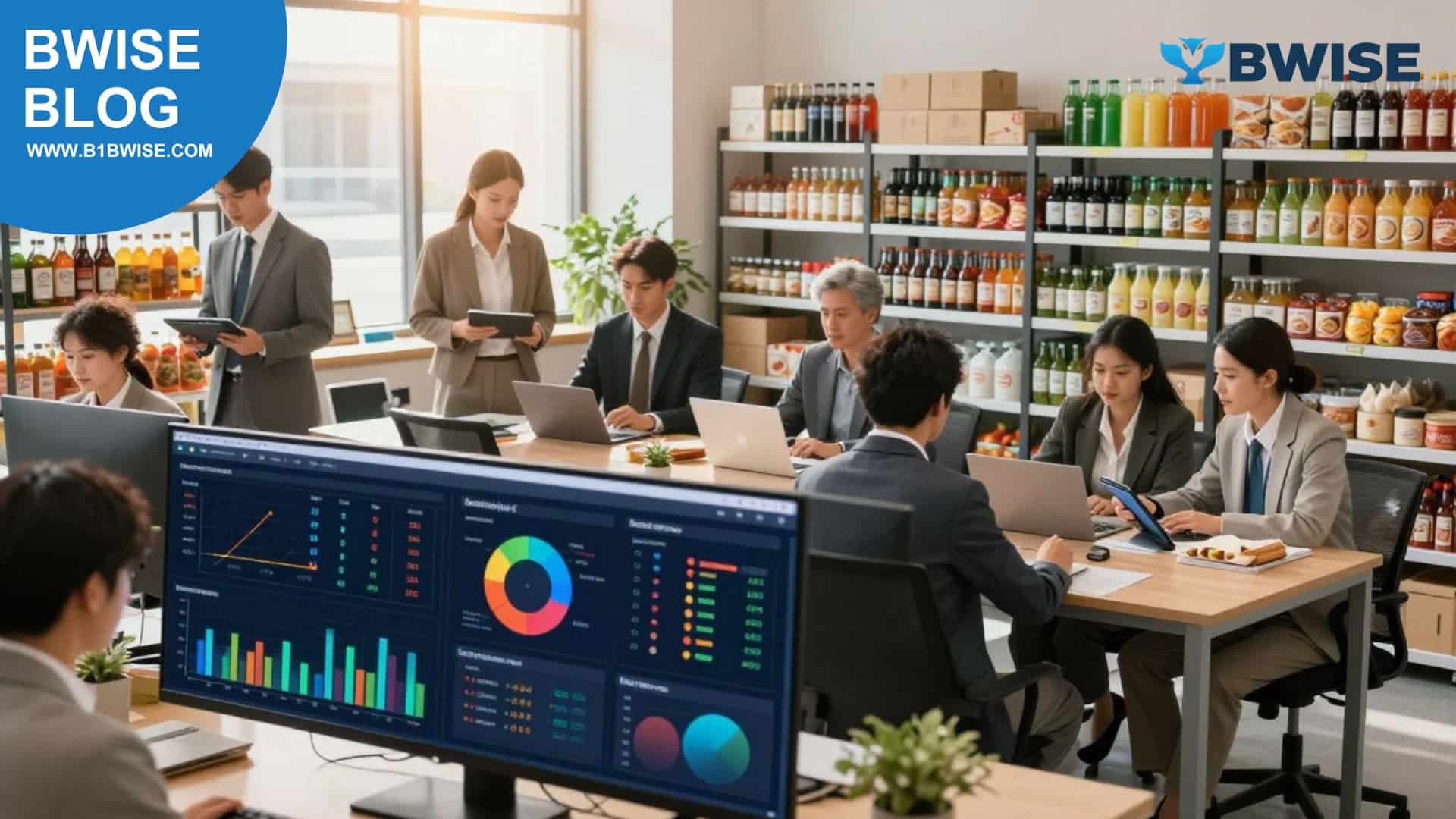
Modern businesses often struggle with manual tracking errors that lead to waste. By adopting advanced ERP inventory management tools, you can automate your supply chain and gain better visibility into your daily operations. This shift not only saves valuable time but also boosts overall profitability by optimizing your purchasing cycles.
Key Takeaways
- Real-time tracking reduces food waste and spoilage.
- Automation minimizes human error in stock counts.
- Better visibility leads to smarter purchasing decisions.
- Streamlined operations directly increase your profit margins.
- Digital systems provide a competitive edge in the food industry.
The Critical Role of ERP for Inventory Management in Food and Beverage
For food and beverage businesses, the right inventory management strategy, supported by ERP, is critical for reducing waste and improving profitability. Effective inventory management ensures that the right products are available at the right time, minimizing stockouts and overstocking.
ERP inventory management software is designed to handle the complexities of the food and beverage industry, including managing inventory across multiple locations and tracking products with varying shelf lives.
Addressing Perishability and Shelf-Life Challenges
One of the significant challenges in the food and beverage industry is managing perishable goods and ensuring that products are sold or consumed before they expire. ERP systems help businesses track the shelf life of their products, enabling them to make informed decisions about inventory levels and product rotation.
By implementing erp warehouse management solutions, companies can ensure that older stock is sold or used before newer stock, reducing the risk of product expiration and waste.
Ensuring Regulatory Compliance and Traceability
Food and beverage businesses must comply with various regulations related to food safety and traceability. ERP systems provide the necessary tools to track products throughout the supply chain, from raw material sourcing to final product delivery.
This level of traceability not only helps in complying with regulatory requirements but also enhances consumer trust and loyalty. By using ERP for inventory management, businesses can quickly identify and recall products in case of a safety issue, minimizing potential harm to consumers and the company’s reputation.
Key Features of Modern Inventory Management Solutions
Modern inventory management solutions have revolutionized the way businesses handle their stock. These solutions offer a range of features that help companies optimize their inventory management processes.
Real-Time Tracking and Automated Reordering
One of the key features of modern inventory management solutions is real-time tracking, which allows businesses to monitor their stock levels accurately and make informed decisions.
Automated reordering is another critical feature that helps prevent stockouts and overstocking by automatically generating orders when stock levels reach a certain threshold.
Integration with Warehouse Management Systems
Integration with warehouse management systems (WMS) is also a vital feature of modern inventory management solutions. This integration enables businesses to streamline their warehouse operations and improve overall efficiency.
Optimizing Picking and Packing Workflows
By integrating with WMS, businesses can optimize their picking and packing workflows, reducing the time and labor required to fulfill orders.
This leads to faster shipping and improved customer satisfaction.
Reducing Human Error in Stock Counts
Automated inventory tracking and reporting also help reduce human error in stock counts, ensuring that inventory records are accurate and up-to-date.
Advanced Demand Forecasting and Analytics
Modern inventory management solutions also offer advanced demand forecasting and analytics capabilities, enabling businesses to predict demand more accurately and make data-driven decisions.

Benefits of Implementing Cloud ERP for Inventory Control
Implementing a cloud ERP system can revolutionize inventory control for food and beverage businesses. By leveraging the power of cloud technology, companies can overcome traditional inventory management challenges and achieve greater efficiency and accuracy.
Cloud ERP for inventory management offers a range of benefits, from reducing waste and spoilage to improving profit margins and enhancing supplier relationships.
Reducing Food Waste and Spoilage Costs
One of the significant advantages of cloud ERP is its ability to help businesses reduce food waste and spoilage costs. By providing real-time visibility into inventory levels and expiration dates, cloud ERP systems enable companies to make informed decisions about inventory management.
This level of visibility helps to minimize the risk of overstocking perishable items, thereby reducing the likelihood of spoilage and waste. As a result, businesses can save money and improve their bottom line.
Improving Profit Margins Through Better Costing
Cloud ERP also enables businesses to improve their profit margins through better costing and pricing strategies. By providing accurate and up-to-date information on inventory costs, cloud ERP systems help companies to set prices that are competitive and profitable.
ERP inventory control features, such as automated inventory tracking and costing, ensure that businesses have a clear understanding of their inventory costs and can make data-driven decisions to optimize their pricing and profitability.
Enhancing Supplier Relationships and Procurement
Cloud ERP can also enhance supplier relationships and procurement processes by automating purchase orders and improving communication with suppliers.
Automating Purchase Orders Based on Lead Times
By automating purchase orders based on lead times, businesses can ensure that they receive the right products at the right time, reducing the risk of stockouts and overstocking.
Managing Multi-Location Inventory Visibility
Cloud ERP provides real-time visibility into inventory levels across multiple locations, enabling businesses to manage their inventory more effectively and make informed decisions about inventory distribution and allocation.
This level of visibility is particularly important for businesses with multiple locations, as it helps to prevent stockouts and overstocking, and ensures that customers receive their products on time.
Selecting the Best Inventory Management System for Your Business
The key to efficient inventory management lies in selecting a system that aligns with your business needs. With the rise of technology, numerous inventory management software solutions have emerged, making it crucial to evaluate your options carefully.
When choosing an ERP inventory management system, several factors come into play. It’s not just about picking a system that works; it’s about selecting one that integrates well with your existing infrastructure and supports your business goals.
Evaluating Scalability and Customization Needs
A scalable inventory management system is essential for growing businesses. It should be able to handle increased inventory levels, new product lines, and expanded distribution channels without compromising performance. Customization is also vital, as it allows you to tailor the system to your specific business requirements.
Consider a system that offers flexible configuration options and modular design. This will enable you to add or remove features as needed, ensuring that your inventory management system evolves with your business.
Assessing User Experience and Staff Training Requirements
The usability of your inventory management system can significantly impact its adoption and effectiveness. A user-friendly interface reduces the learning curve, minimizes errors, and increases productivity. Look for a system with an intuitive design that requires minimal training.
Staff training is also a critical consideration. Opt for a system with comprehensive training resources, including documentation, tutorials, and customer support. This will ensure that your team can effectively utilize the system and maximize its benefits.
Prioritizing Data Security and System Reliability
Data security is paramount when it comes to inventory management. Your system should have robust security measures in place to protect sensitive information from unauthorized access and cyber threats. Regular backups and disaster recovery options are also essential to ensure business continuity.
System reliability is equally important. Downtime can be costly, so it’s crucial to choose a system with a proven track record of uptime and performance. Look for a provider that offers reliable support and maintenance services to minimize the risk of system failures.
By carefully evaluating these factors, you can select an inventory management software that meets your business needs and drives long-term success.

Conclusion
Implementing an ERP system for inventory management can be a game-changer for food and beverage businesses. By integrating erp for inventory management, companies can streamline their operations, reduce costs, and improve customer satisfaction.
A robust ERP warehouse management system enables real-time tracking, automated reordering, and advanced demand forecasting. This leads to reduced food waste and spoilage costs, improved profit margins, and enhanced supplier relationships.
To maximize the benefits of ERP inventory management, businesses should assess their scalability and customization needs, prioritize data security, and ensure user-friendly interfaces. By doing so, they can optimize their inventory control and stay competitive in the market.
Upgrading to a modern ERP solution can help food and beverage companies overcome the challenges of perishability, regulatory compliance, and traceability. With the right erp warehouse management system, businesses can achieve operational excellence and drive growth.