
Chemical manufacturing represents a complex industry necessitating precise management of resources, output, and distribution. Deploying the appropriate ERP system can be a transformative shift for businesses operating in this sector.
Effective operations and optimized processes are vital for triumph in the competitive chemical manufacturing environment. A potent ERP solution can aid in realizing these objectives by delivering real-time data, automating duties, and strengthening cooperation.
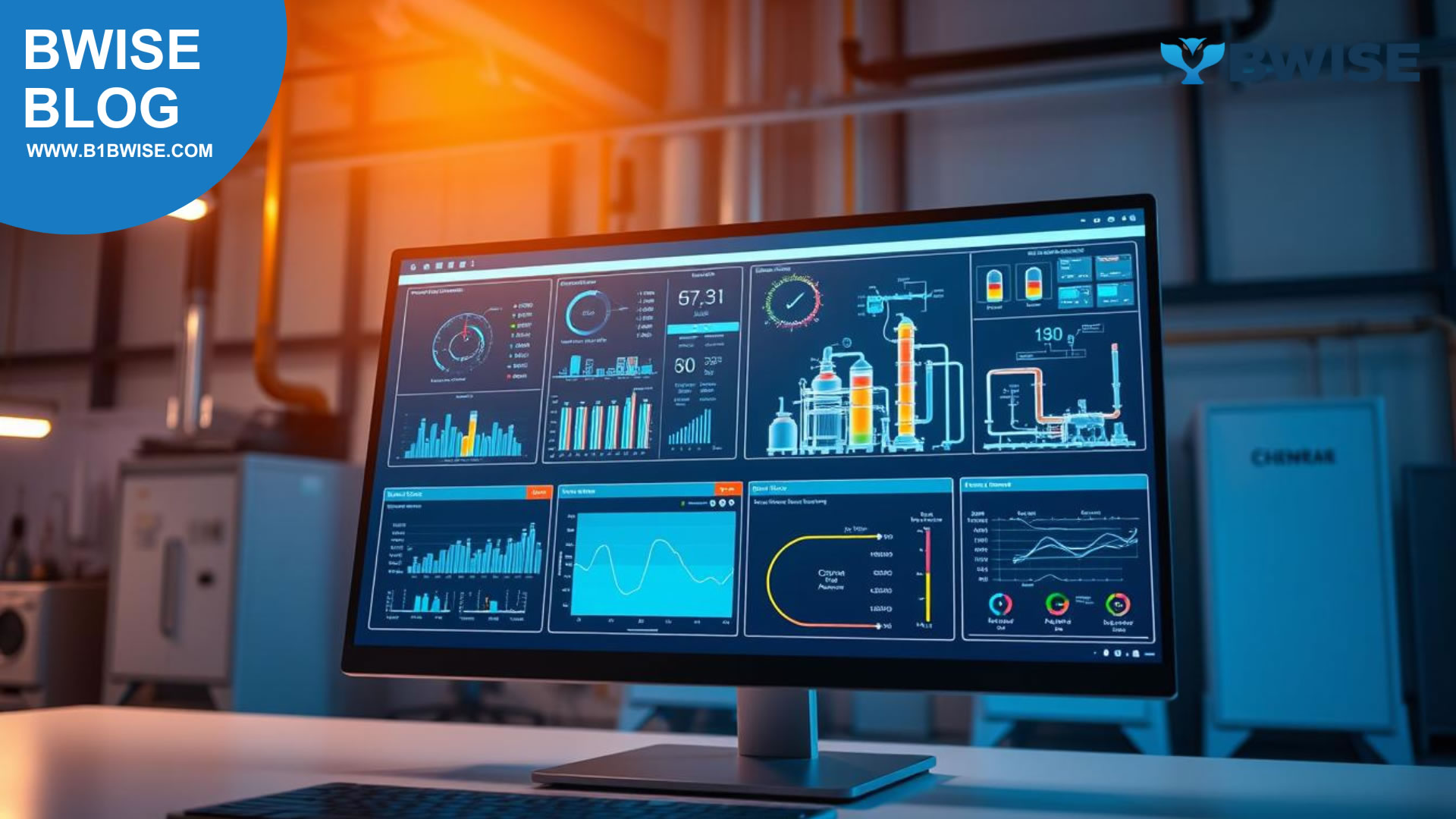
As the industry continues to evolve, it’s essential for chemical manufacturers to adopt an ERP system that meets their unique needs. In this article, we’ll explore the key features to look for in an ERP solution designed for chemical manufacturing.
Key Takeaways
- Understand the importance of ERP in chemical manufacturing
- Identify key features of an effective ERP solution
- Learn how to choose the right ERP system for your business
- Discover the benefits of implementing an ERP solution
- Explore best practices for ERP implementation in chemical manufacturing
The Chemical Manufacturing Industry’s Unique Challenges
The chemical production sector confronts an array of difficulties, all of which can be efficiently tackled with the appropriate Enterprise Resource Planning (ERP) platform. A chief worry, or principal consideration, is adherence to statutory and governmental guidelines, given that chemical producers are obligated to observe strict mandates and rules to guarantee both environmental security and the well-being of the general populace.
Safety concerns are another significant challenge. Chemical plants handle hazardous materials, making it crucial to implement robust safety protocols to prevent accidents and ensure a safe working environment.
Supply chain complexities furthermore present a considerable challenge. Chemical producers depend on a worldwide network of suppliers and distributors, thus demanding a system capable of expertly managing and optimizing supply chain operations.
An ERP for chemical companies can help address these challenges by providing a comprehensive platform to manage operations, ensure compliance, enhance safety, and optimize supply chains. By leveraging the right ERP solution, chemical manufacturers can improve their overall efficiency and competitiveness in the market.
ERP for Chemical Manufacturing: Core Benefits
ERP systems specifically tailored for chemical manufacturing furnish a host of benefits, for example, considerably better efficiency and lowered functioning costs. By joining up diverse facets of production, including planning for making, overseeing of inventory, and checking of quality, an ERP setup for making chemicals can remarkably boost total productivity.
Real-time Analytics and Reporting
A fundamental advantage of an industry-focused ERP for the chemical sector is its capability to deliver instantaneous analytics and reporting. This functionality allows manufacturers to closely track production workflows, pinpoint pinch points, and make well-informed choices rapidly. Utilizing real-time data, chemical producers are able to react swiftly to shifts in customer demand or disruptions within the supply chain.
Predictive maintenance is another critical advantage of implementing an ERP system in chemical manufacturing. By analyzing data from equipment sensors and maintenance records, the system can predict when maintenance is required, reducing downtime and extending the lifespan of equipment. This proactive approach to maintenance helps in avoiding costly repairs and ensuring continuous production.
By leveraging these features, chemical manufacturers can achieve significant efficiency improvements, reduce costs, and enhance their competitive edge in the market.
Essential Features to Look for in Chemical Manufacturing Software
The right ERP software can significantly impact chemical manufacturing operations, but what features should you prioritize? When evaluating ERP software for chemical manufacturing, it’s essential to consider the unique challenges of the industry, such as regulatory compliance and complex production processes.
One of the critical features to look for is SDS Management. Safety Data Sheets (SDS) are crucial for handling hazardous materials, and an effective ERP system should be able to manage and track SDS efficiently. This includes ensuring that all SDS are up-to-date and easily accessible to personnel.
SDS Management, Environmental Reporting
A further essential capability is Environmental Reporting. Producers of chemicals are bound by tight environmental rules, and an ERP system capable of facilitating accurate and prompt reporting is immensely useful. This encompasses tracking of emissions, management of waste, and other environmental indicators.
By concentrating on these essential characteristics, chemical manufacturers are able to choose an ERP system within the chemical sector that not only addresses operational demands but also aids in upholding adherence to regulatory mandates. During the selection of an ERP solution, assess its capacity to back your business objectives and improve your overall efficiency and productivity.

Top ERP Solutions for the Chemical Industry
Chemical producers are leveraging ERP systems to oversee intricate production workflows and meet regulatory requirements. The appropriate ERP solution can substantially boost operational efficiency, lower expenses, and refine decision-making.
Several top ERP solutions are tailored to the chemical industry’s unique needs. These include:
- SAP ERP: Known for its comprehensive functionality and ability to handle complex processes.
- Oracle ERP Cloud: Offers advanced analytics and forecasting capabilities.
- Microsoft Dynamics 365: Provides a flexible and scalable solution with strong integration capabilities.
- BWISE ERP: Designed for growing businesses, it delivers powerful automation, real-time insights, and seamless integration with SAP Business One, helping companies simplify operations and make smarter decisions.
Choosing the right ERP solution involves evaluating these factors against your business needs and budget. It’s essential to consider the total cost of ownership, including implementation, training, and ongoing support.
By carefully assessing these top ERP solutions, chemical manufacturers can make an informed decision that aligns with their operational goals and enhances their competitiveness in the market.
Implementation Strategies for ERP Systems in Chemical Plants
To maximize the benefits of ERP for chemical manufacturing, a well-planned implementation strategy is crucial. This involves understanding the specific needs of the chemical manufacturing industry and tailoring the ERP system accordingly.
Common Implementation Challenges
Chemical manufacturing facilities frequently encounter hurdles like intricate production processes, adherence to regulations, and managing the supply chain while undertaking ERP implementation. Tackling these issues necessitates an all-encompassing strategy, featuring detailed instruction for personnel and a staged deployment schedule.
Key success factors for ERP implementation in chemical manufacturing include effective project management, clear communication, and continuous monitoring. By focusing on these areas, chemical manufacturers can ensure a smooth transition to the new ERP system, minimizing disruptions to operations.
Through employing the most effective implementation strategies and remaining cognizant of potential challenges, chemical manufacturing companies are able to successfully integrate ERP systems into their operations, thereby boosting efficiency and productivity.
Measuring ROI of ERP Software for Chemical Companies
Implementing ERP software is a significant investment for chemical companies, and measuring its ROI is crucial. To evaluate the effectiveness of an ERP system, companies need to consider various metrics.
Key Performance Indicators (KPIs) such as production efficiency, inventory turnover, and supply chain management costs are essential in assessing the ROI of ERP software. By monitoring these KPIs, chemical companies can determine whether their ERP system is delivering the expected benefits.
A handful of main advantages of ERP solutions for chemical enterprises encompass upgraded production scheduling, finer quality oversight, and superior compliance administration. Through the simplification of these processes, ERP software is capable of assisting chemical organizations to trim expenses and boost income.
To accurately measure ROI, chemical companies should establish a baseline before implementing the ERP system and then track changes over time. This will help them identify areas where the ERP system is having the most significant impact.
By carefully evaluating the ROI of their ERP software, chemical companies can make informed decisions about future investments and optimize their operations for maximum efficiency.
Conclusion: Making the Right ERP Choice for Your Chemical Manufacturing Business
Selecting the ideal ERP solution is crucial for chemical manufacturers seeking to optimize operations, ensure compliance, and drive growth. As discussed, the chemical manufacturing industry faces unique challenges that require tailored ERP solutions.
When evaluating ERP solutions for the chemical industry, be sure to consider the fundamental advantages of these systems, which include improved production scheduling, tighter quality assurance, and more efficient inventory handling. The appropriate chemical manufacturing platform should furthermore offer real-time insight, flexibility for growth, and powerful analytical tools to support informed business choices.
By understanding the essential features and top ERP solutions available, chemical manufacturers can make informed decisions that meet their specific needs. Effective implementation strategies and measuring ROI are also critical to ensuring the success of the ERP system.
Ultimately, choosing the right ERP solution can transform your chemical manufacturing business by streamlining processes, reducing costs, and improving customer satisfaction. By carefully evaluating your options and selecting a system that aligns with your business goals, you can achieve operational excellence and drive long-term success.