
In the current, rapidly changing business environment, organizations require effective and unified systems to handle their functions. A key part of this involves grasping the different essential features that drive finance, stock, and additional business operations.
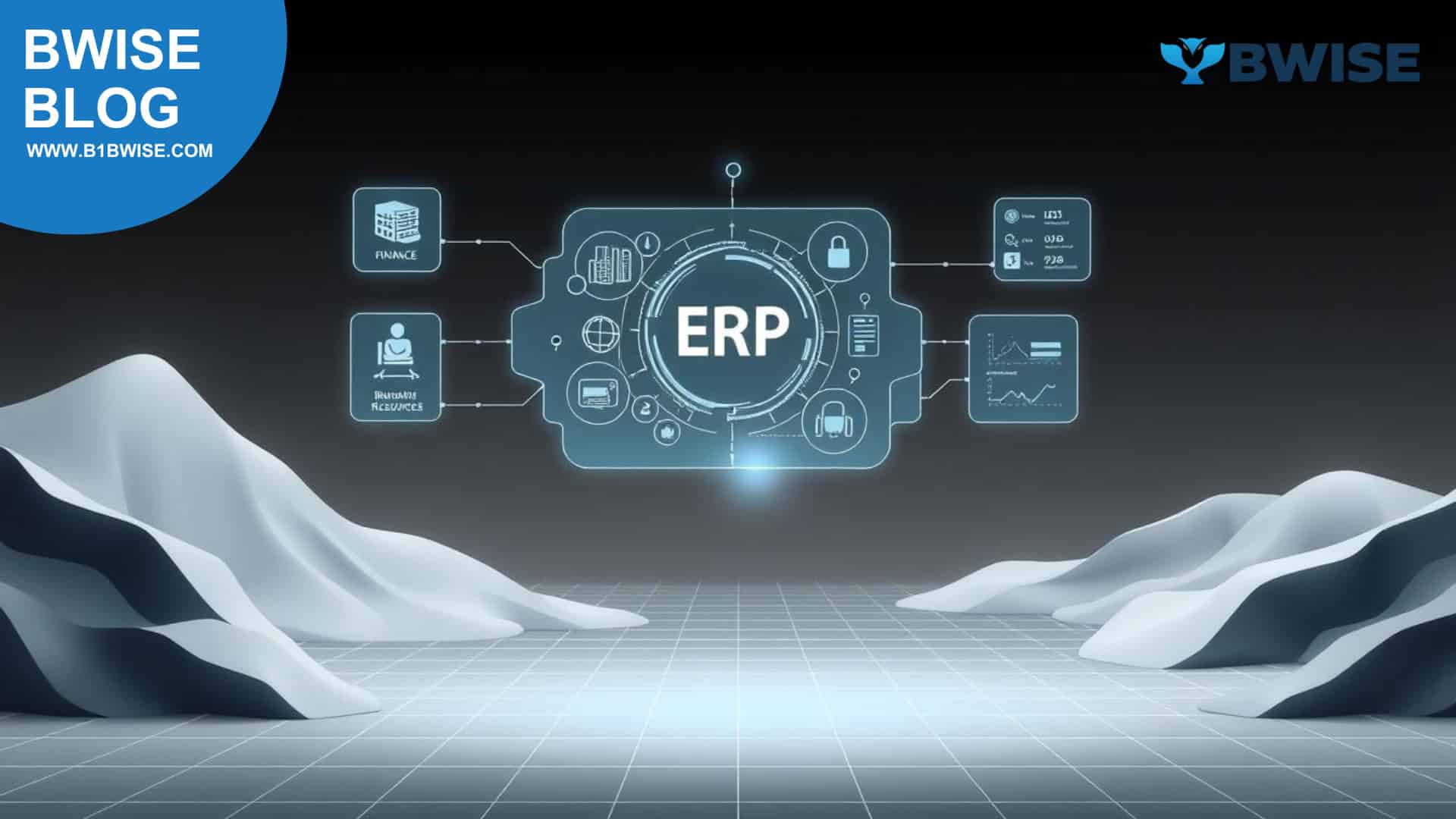
Successful business management needs the smooth combination of diverse departments and tasks. Grasping the essential elements of enterprise resource planning systems allows businesses to optimize operations, boost efficiency, and make sound choices.
Key Takeaways
- Core ERP components are essential for modern business management.
- Understanding ERP functionalities can improve business productivity.
- Integrated systems enable seamless departmental collaboration.
- ERP modules support informed business decision-making.
- Streamlined processes are a result of effective ERP implementation.
The Foundation of Modern Business Management
In contemporary business management, ERP modules are very important, automating and combining various business procedures. They’re meant to make operations flow better, boost output, and lower expenses. Using these modules lets companies have a more effective and efficient management structure.
A major advantage of ERP modules is the way they merge different business functions. This integration helps companies work more effectively because it allows different departments to share information and cooperate without problems. As an example, ERP modules can connect financial management, human resources, and supply chain management, creating a single, complete picture of the business.
Utilizing ERP modules provides several advantages: higher productivity, lower expenses, and better decisions. By automating common tasks and offering immediate data, ERP modules allow companies to adapt faster to shifting market dynamics. Furthermore, integrating different functions fosters superior teamwork and coordination across diverse departments.
To sum it up, ERP modules are crucial for contemporary business operation. They serve as the bedrock for businesses to establish efficient, integrated, and adaptive processes. By utilizing ERP elements, companies can attain substantial enhancements in productivity and competitive edge.
Essential ERP Modules That Power Business Operations
ERP components are key to achieving business success. They offer a complete system for managing different areas of a company. These components are created to merge various business operations, boosting overall efficiency and output. By using ERP components, businesses can improve their processes, cut expenses, and make better decisions.
Key parts of ERP software include general ledger and accounting tools. They allow companies to handle their financial operations, covering payables, receivables, and general ledger postings. By automating accounting, businesses can minimize human errors, enhance financial reports, and follow legal standards.
- Automated financial transactions
- Real-time financial reporting
- Compliance with accounting standards
Accounts Payable and Receivable Features
ERP system modules provide functionalities like accounts payable and receivable to aid financial management. These features allow companies to monitor and handle their payments and incoming funds effectively. By automating accounts payable and receivable, businesses can speed up processing, enhance cash flow control, and lessen the likelihood of mistakes.
- Invoice processing and tracking
- Payment processing and reconciliation
- Credit management and reporting

Stock Control and Warehouse Management
For companies dealing with inventory, good stock control and warehouse management are crucial. ERP modules have functions to help organizations monitor inventory, oversee warehouse activities, and streamline the supply chain. Real-time inventory tracking allows companies to minimize stockouts, excess inventory, and related expenses.
- Inventory tracking and reporting
- Warehouse management and optimization
- Supply chain management
Procurement and Vendor Management
ERP modules greatly aid procurement and vendor management. These capabilities help companies handle vendor selection, contracts, and purchase orders. When procurement is streamlined, businesses can cut expenses, build better relationships with suppliers, and meet procurement policy requirements.
- Vendor management and evaluation
- Contract management and negotiation
- Purchase order processing and tracking
Employee Management and Time Tracking
ERP components often have functionalities that assist with employee administration and monitoring of work hours. These capabilities help businesses handle employee information, record work duration, and handle salary payments. By automating processes related to staff, companies can lessen administrative overhead, increase worker efficiency, and guarantee adherence to employment laws.
- Employee data management
- Time tracking and attendance
- Payroll processing and compliance
Compensation and Benefits Administration
Administering pay and perks is a vital part of any ERP system’s modules. These tools allow companies to handle employee pay, benefits, and other incentives. Automation of pay and benefits processes helps businesses cut mistakes, boost employee happiness, and stay in line with legal requirements.
- Compensation planning and management
- Benefits administration and enrollment
- Compliance with labor laws and regulations
Advanced ERP Modules for Competitive Advantage
Sophisticated ERP components are changing how companies function, offering considerable competitive benefits. Nowadays, where business moves quickly, organizations continually search for methods to modernize, improve customer contentment, and outperform rivals. Employing advanced ERP modules is a strategic approach that can foster company expansion and success.
A core sophisticated ERP feature is the Customer Relationship Management (CRM) component. This module allows enterprises to handle customer relationships effectively, providing a comprehensive understanding of customer information. Using CRM, companies can assess customer behavior, tastes, and input, enabling them to customize marketing plans and boost customer happiness.
Another key ERP application is the Business Intelligence (BI) module. BI tools offer live data analysis and insights, helping businesses make smart choices. Using BI, companies can spot trends, refine operations, and forecast future market changes, offering them a competitive edge.

Enhancing Operational Efficiency
Modern ERP systems frequently incorporate features for Supply Chain Management (SCM) and Manufacturing Execution Systems (MES). SCM components improve supply chain efficiency, spanning from sourcing materials to final distribution, thereby assuring timely and accurate product deliveries. Conversely, MES tools enhance manufacturing workflows, leading to better product quality and lower manufacturing expenses.
When these cutting-edge ERP modules are combined, companies can reach operational excellence, spark innovation, and improve what customers experience. Consequently, they gain a substantial edge over the competition.
Ultimately, sophisticated ERP modules aren’t simply a perk; they’re vital for firms striving to remain competitive. Implementing these modules allows businesses to foster expansion, boost operational effectiveness, and meet their strategic goals.
How ERP Modules Work Together as an Integrated System
ERP components are built to function cohesively, forming a consolidated system for smoother business operations. When these parts are integrated, companies can manage their work more effectively, which decreases mistakes and increases data accuracy.
The integration of ERP modules provides several key benefits, including:
- Enhanced decision-making capabilities through real-time data analysis
- Improved collaboration across different departments
- Increased productivity through automation of routine tasks
- Better resource allocation and planning
Using the embedded ERP system, companies can make their work smoother and boost overall effectiveness. For example, when the finance element is linked to the inventory element, it permits real-time following of stock levels and automatic updating of financial documents, thereby cutting down on the need for hands-on work.
By combining different ERP components, encompassing ERP functions and ERP resources, companies can gain a complete picture of their activities. This unified method supports the discovery of areas for betterment and streamlining business workflows.
To sum up, incorporating ERP modules is a strong method for improving how businesses function. When organizations understand how these modules collaborate, they can fully leverage their ERP system, boosting both effectiveness and output.
Conclusion: Choosing the Right ERP Modules for Your Business Needs
Choosing appropriate ERP modules is essential for companies aiming to improve their operations and reach their objectives. By gaining insight into the different ERP features offered, businesses can make well-informed choices about the specific ERP modules they need.
Core ERP modules like finance, inventory, and HR are crucial for handling daily operations. Enhanced ERP modules, such as business intelligence and customer relationship management, can offer a strategic advantage.
Selecting ERP modules demands attention to the organization’s unique requirements and aims. Matching ERP features to business targets enables companies to get the most out of their investment and promote business achievements.
By carefully evaluating ERP modules and their functionalities, businesses can create a tailored ERP system that meets their unique needs, driving efficiency, productivity, and growth.