
Manufacturers today face the challenge of scaling their operations efficiently while maintaining profitability. Implementing the right technology is crucial for achieving scalable growth.
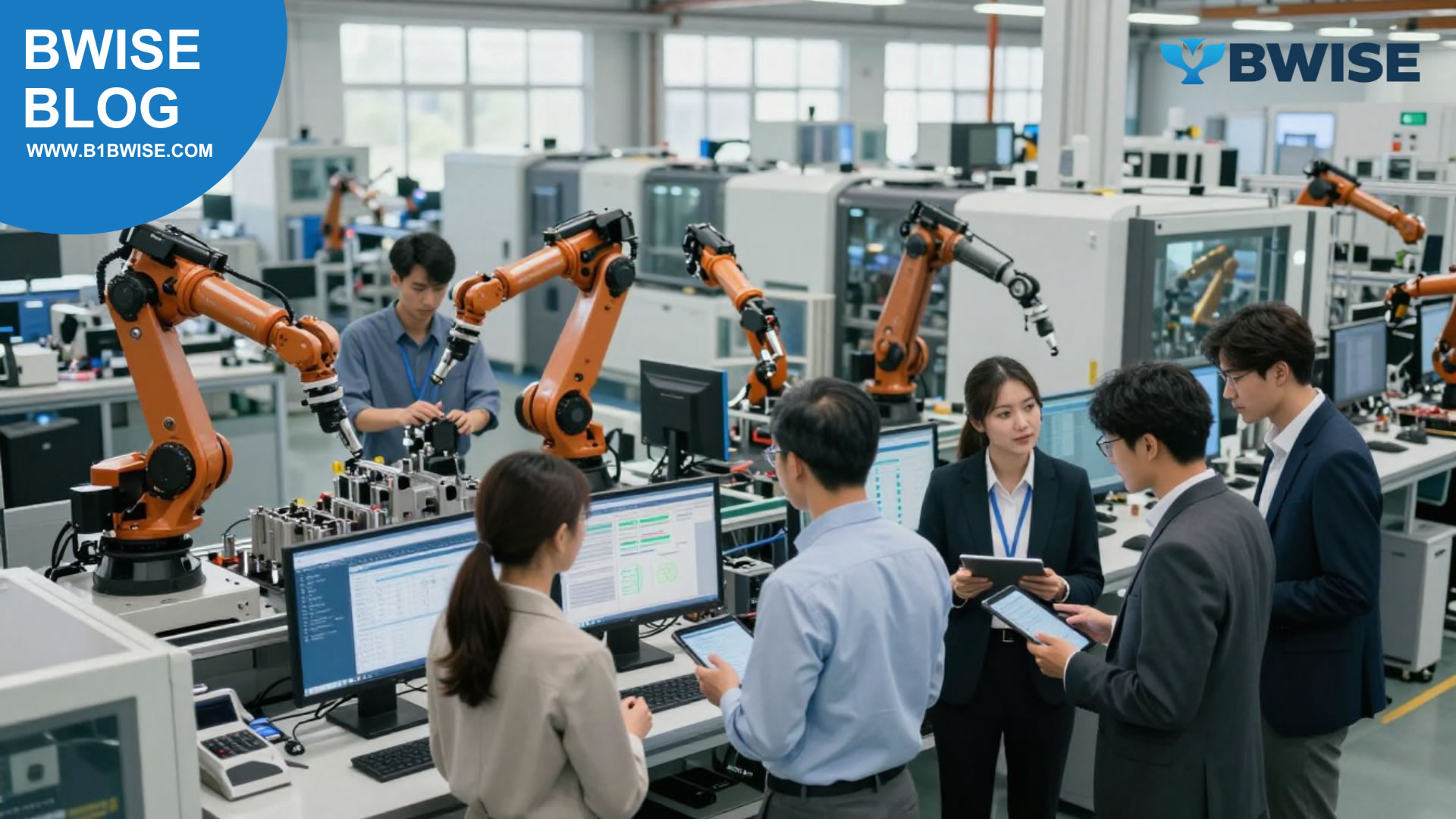
Enterprise Resource Planning (ERP) systems have emerged as a key driver of business expansion in the manufacturing sector. By streamlining processes and providing real-time insights, manufacturing ERP software enables companies to make informed decisions and respond to market demands quickly.
This integration of ERP solutions into manufacturing operations not only enhances productivity but also supports sustainable growth.
Key Takeaways
- ERP systems are crucial for manufacturers looking to scale their operations.
- Manufacturing ERP software streamlines processes and improves decision-making.
- Real-time insights from ERP enable manufacturers to respond to market demands effectively.
- ERP integration enhances productivity and supports sustainable growth.
- Scalable growth in manufacturing is driven by the right technology implementation.
The Current Challenges in Manufacturing Operations
Manufacturers today face a myriad of challenges in their operations, from inefficient processes to a lack of visibility. Inefficient processes can lead to wasted resources and reduced productivity, ultimately affecting the bottom line.
Lack of real-time visibility into production processes makes it difficult for manufacturers to make informed decisions. This lack of visibility can result in delays, overproduction, or underproduction, further complicating operations.
The inability to scale effectively is another significant challenge. As demand fluctuates, manufacturers struggle to adjust their production accordingly, leading to lost opportunities or excess capacity. Implementing ERP for the manufacturing industry can help alleviate these challenges by streamlining processes and providing real-time insights.
By understanding these challenges, manufacturers can begin to explore solutions like ERP systems that offer numerous benefits of ERP in manufacturing, including improved efficiency, enhanced visibility, and better scalability.
The Role of ERP in Manufacturing: A Comprehensive Overview
ERP plays a crucial role in modern manufacturing by offering comprehensive operational management. An ERP system for manufacturing is designed to cater to the unique needs of the industry, providing a robust framework for managing various aspects of production.
Industry-Specific Functionality
One of the key benefits of an ERP system for manufacturing is its industry-specific functionality. These systems are tailored to meet the complex demands of manufacturing, including production planning, inventory management, and quality control. By leveraging such functionality, manufacturers can optimize their operations and improve productivity.
ERP solutions for manufacturing also offer advanced integration capabilities, enabling seamless connectivity between different departments and systems within an organization. This integration facilitates real-time data sharing, enhances collaboration, and reduces operational silos, leading to more efficient and responsive manufacturing processes.
By adopting ERP solutions for manufacturing, companies can achieve a unified view of their operations, make informed decisions, and drive sustainable growth. The comprehensive nature of ERP systems makes them an indispensable tool for modern manufacturers striving for excellence and scalability.
Key Benefits of ERP Implementation for Manufacturers
The right ERP solution enables manufacturers to streamline their processes, enhancing their ability to grow sustainably. By implementing an ERP system, manufacturers can experience significant improvements in their operations.
Handling Increased Production Volume
As production demands rise, manufacturers need a system that can handle increased volume without compromising efficiency. ERP implementation in manufacturing provides the scalability needed to manage larger production volumes. It automates processes, reduces manual errors, and enhances productivity.
Manufacturers often face challenges when expanding their product lines. An ERP system equipped with advanced manufacturing ERP features helps manage product complexity by providing real-time data on inventory, production schedules, and supply chain operations. This enables manufacturers to make informed decisions and adapt quickly to changes.
Supporting Multi-Location Operations
For manufacturers operating across multiple locations, ERP implementation is crucial. It provides a unified platform that integrates data from all locations, facilitating better coordination and control. Manufacturers can monitor operations in real-time, manage inventory effectively, and ensure compliance across all locations.
In conclusion, ERP implementation offers numerous benefits to manufacturers, including improved scalability, better management of product lines, and enhanced control over multi-location operations. By adopting an ERP system, manufacturers can position themselves for sustainable growth and success in a competitive market.
Conclusion: Leveraging ERP Solutions for Sustainable Manufacturing Growth
Manufacturers seeking scalable growth must prioritize the implementation of effective ERP solutions. By integrating ERP systems, manufacturers can streamline operations, enhance productivity, and drive sustainable growth. The right ERP system is crucial in achieving this goal.
ERP integration in manufacturing enables companies to optimize resources, reduce costs, and improve product quality. When selecting an ERP system, manufacturers should consider their specific needs and choose the best ERP for manufacturing that aligns with their business objectives.
By leveraging ERP solutions, manufacturers can achieve sustainable growth, improve competitiveness, and respond to changing market demands. Effective ERP implementation is key to driving long-term success in the manufacturing industry.