
The manufacturing sector is experiencing a major shift with the use of ERP software. This technology is completely changing how manufacturers work, making their processes more efficient and increasing overall productivity.
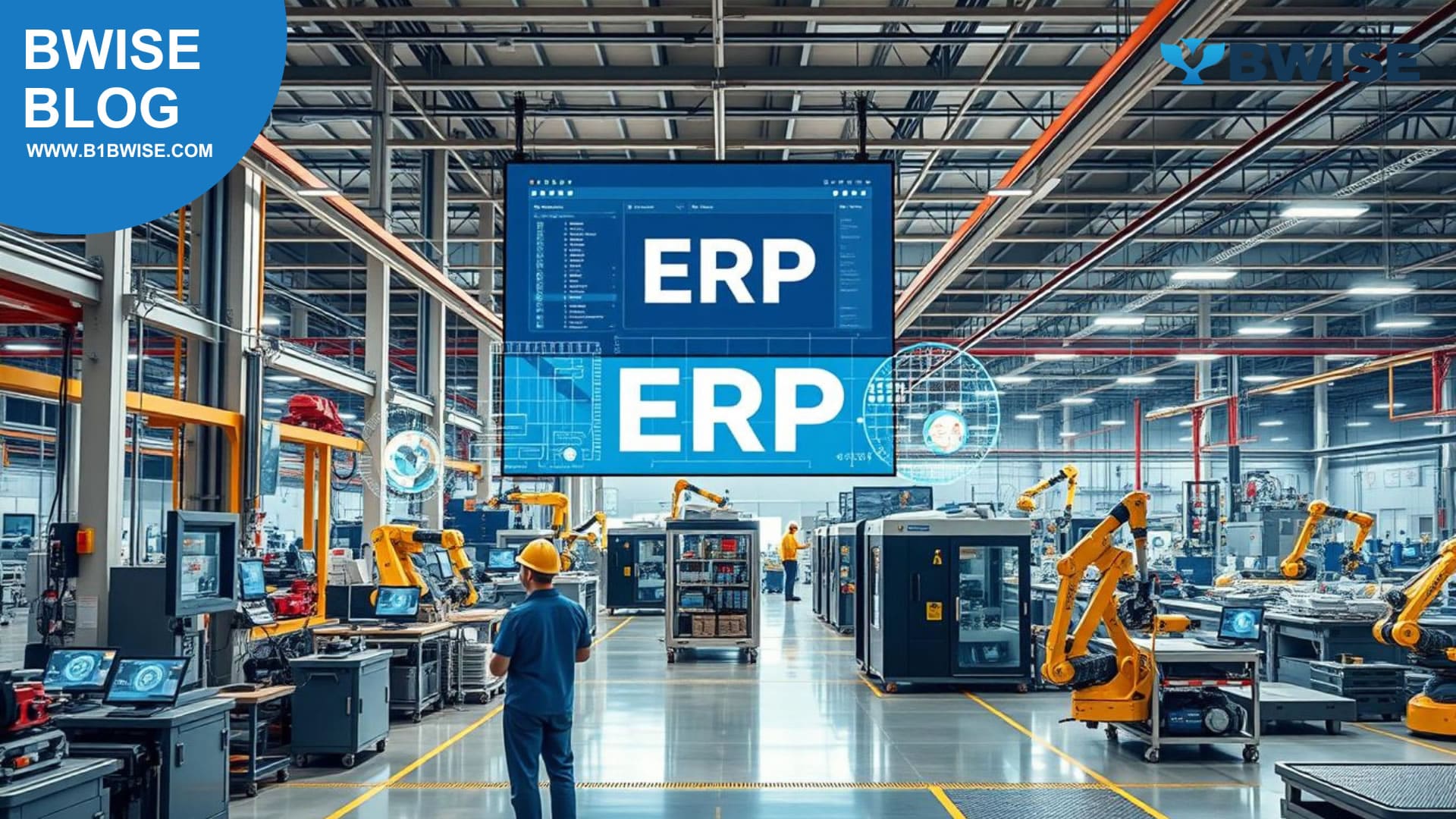
When several business operations are combined within one system, ERP software gives an instant view of activities. This allows manufacturers to make well-informed choices. The result is increased productivity, decreased expenses, and better customer satisfaction.
With the help of manufacturing ERP software, companies can streamline their processes, automate tasks, and respond quickly to changing market conditions.
Key Takeaways
- ERP software integrates business functions into a single system.
- Real-time visibility into operations enables informed decisions.
- Improved productivity and reduced costs are significant benefits.
- Manufacturers can respond quickly to changing market conditions.
- Enhanced customer satisfaction is a direct result of efficient operations.
The Evolution of Manufacturing Resource Planning
Manufacturing resource planning software development has significantly changed how manufacturers work. At first, manufacturing resource planning mainly managed materials and resources. Eventually, it became a complete ERP system for the manufacturing sector, incorporating different functions like production planning, inventory control, and financial administration.
This transformation has enabled manufacturers to streamline their operations, improve efficiency, and reduce costs. Modern ERP systems provide real-time data and insights, allowing manufacturers to make informed decisions and respond quickly to changes in the market.
Currently, manufacturing resource planning software is a critical instrument for producers. It helps them refine their production procedures, handle supply chains efficiently, and boost customer contentment.
Key Benefits of Manufacturing ERP Software
ERP software for manufacturing brings numerous advantages that can change your company. By combining different functions within a single platform, these manufacturing ERP solutions allow businesses to simplify their operations, increase efficiency, and cut expenses.
A key benefit of utilizing the top ERP solution in manufacturing is the boost in productivity. By automating standard operations and providing data in real-time, ERP systems enable manufacturers to make decisions faster. This results in increased efficiency and decreased waste, due to more effective allocation of resources.
A noteworthy advantage is the enhancement of decision-making abilities. ERP systems offer a consolidated perspective of the company, allowing leaders to examine information from various sectors and formulate strategic choices. This unified method assists in pinpointing areas for betterment and streamlining production procedures.
Enhanced Collaboration
Manufacturing ERP systems also improve teamwork among various groups. A centralized system allows departments to easily exchange information, lessening confusion and mistakes. This results in a more unified and reactive organization.
To sum up, choosing the right ERP system for manufacturing can significantly benefit a manufacturing company. The advantages, including boosting productivity, minimizing waste, and improving both decision-making and teamwork, are considerable. Amid ongoing evolution in a competitive industry, ERP software is essential for manufacturers aiming for peak operational performance.
Essential Features of ERP for Manufacturing
To boost manufacturing operations, ERP software needs a strong suite of core functionalities. These are made to simplify workflows, boost productivity, and cut expenses.
Capacity Planning Tools
For manufacturers, it’s essential to plan production capacity to fulfill orders while avoiding resource strain. ERP systems, equipped with sophisticated capacity planning features, help businesses assess their production potential and make smart choices.
Work Order Management
Efficient work order management is essential for monitoring and controlling production. Manufacturing ERP software offers functionalities for creating, assigning, and monitoring work orders, thus keeping production on schedule.
Monitoring inventory levels in real time is another key component of manufacturing ERP systems. This feature helps manufacturers keep track of inventory with precision, which can help prevent both shortages and excess inventory.
Supplier Relationship Management
Strong supplier relationships are critical for maintaining a smooth supply chain. ERP software includes supplier relationship management tools that help manufacturers manage interactions with suppliers, negotiate better terms, and ensure timely deliveries.
Integrating these vital components, manufacturing ERP software delivers a complete solution, fostering both operational efficiency and strategic expansion. If you’re weighing cloud-based ERP for manufacturing or gearing up for an ERP deployment in your factory, understanding these key features is vital for an informed choice.
Implementing ERP Systems in Manufacturing Environments
Implementing ERP in manufacturing involves several key stages that, when followed, make a smooth transition to the new system possible. The process starts with thorough planning and analysis of existing manufacturing operations to pinpoint areas where ERP software can be most beneficial.
A major hurdle for manufacturing firms during ERP system rollout is data migration. It’s essential to move all current data to the fresh system correctly, without causing interruptions to daily activities.
To address these obstacles, manufacturers should employ effective strategies like thorough employee training, a gradual rollout, and consistent system performance checks. By taking these steps, firms can fully leverage the advantages of their manufacturing ERP, encompassing better efficiency, lower expenses, and stronger decision-making abilities.
Moreover, choosing the appropriate manufacturing ERP software is essential. The selected ERP system must be scalable, adaptable, and able to connect with current systems. It should also provide solid backing for manufacturing-related features like production scheduling, inventory oversight, and quality assurance.
Through meticulous planning and execution during the ERP system setup, manufacturers can see considerable operational gains. With the proper strategy and assistance, the difficulties of ERP implementation can be handled well, thus ensuring lasting success.
Cloud ERP for Manufacturing: The Modern Approach
Cloud-based ERP is reshaping the manufacturing industry, presenting flexible, scalable, and budget-friendly options. This updated method of enterprise resource planning allows manufacturers to simplify processes, boost productivity, and cut expenses.
A main advantage of cloud ERP for manufacturers is that it enables immediate access to data across diverse departments and sites. This improves decision-making and boosts teamwork. Furthermore, cloud ERP systems are very flexible, helping manufacturers adjust to shifting business demands without major initial costs.
Another key benefit is the economic value of cloud ERP. Shifting to the cloud lets manufacturers skip large initial outlays common with older, on-site ERP systems, like hardware and upkeep. Moreover, cloud ERP services usually include frequent updates and assistance, giving manufacturers access to new functionalities and security enhancements.
Deploying a cloud ERP system can also boost a manufacturer’s ability to react to shifts in the market and meet customer needs. Enhanced insight into production workflows and supply networks allows manufacturers to streamline their operations and increase customer satisfaction.
Key Takeaways
Cloud ERP provides several advantages to manufacturers, encompassing greater agility, the ability to expand easily, and reduced expenses. By implementing a cloud ERP system, manufacturers can set themselves up for prosperity in a competitive and quickly changing sector.
Real-World Success Stories: Manufacturing ERP in Action
Practical cases highlight ERP’s impact on manufacturing. Businesses using ERP manufacturing systems have observed substantial operational enhancements.
One such example is a leading automotive parts manufacturer that implemented an ERP system to streamline its production processes. The result was a 25% reduction in production lead times and a 15% decrease in inventory costs.
Another success story comes from a food processing company that utilized manufacturing resource planning software to enhance its supply chain management. This led to better demand forecasting and a 10% reduction in waste.
These examples illustrate the tangible benefits of ERP in manufacturing, from improved efficiency to cost savings. By adopting ERP solutions, manufacturers can position themselves for future success in an increasingly competitive environment.
The impact of ERP is not limited to large corporations; small and medium-sized enterprises (SMEs) are also benefiting. An SME in the aerospace industry reported a 20% increase in on-time deliveries after implementing an ERP system.
Conclusion: Positioning Your Manufacturing Business for Future Success
In the changing world of manufacturing, adopting the right ERP system is key to remaining competitive. By optimizing processes, boosting efficiency, and improving how decisions are made, ERP solutions are essential for achieving business success.
Implementing ERP successfully for manufacturers needs careful planning, carrying out, and continuous backing. Utilizing the appropriate ERP system allows manufacturers to streamline production, cut expenses, and boost customer satisfaction.
To ensure your manufacturing business thrives in the long run, a proactive approach to ERP implementation is key. This means choosing an ERP solution that can grow and flex with your evolving business demands and future tech developments.
By leveraging ERP’s capabilities, manufacturers can boost expansion, enhance efficiency, and outperform rivals. Equipped with a suitable ERP system, enterprises can manage modern manufacturing intricacies and secure lasting success.