
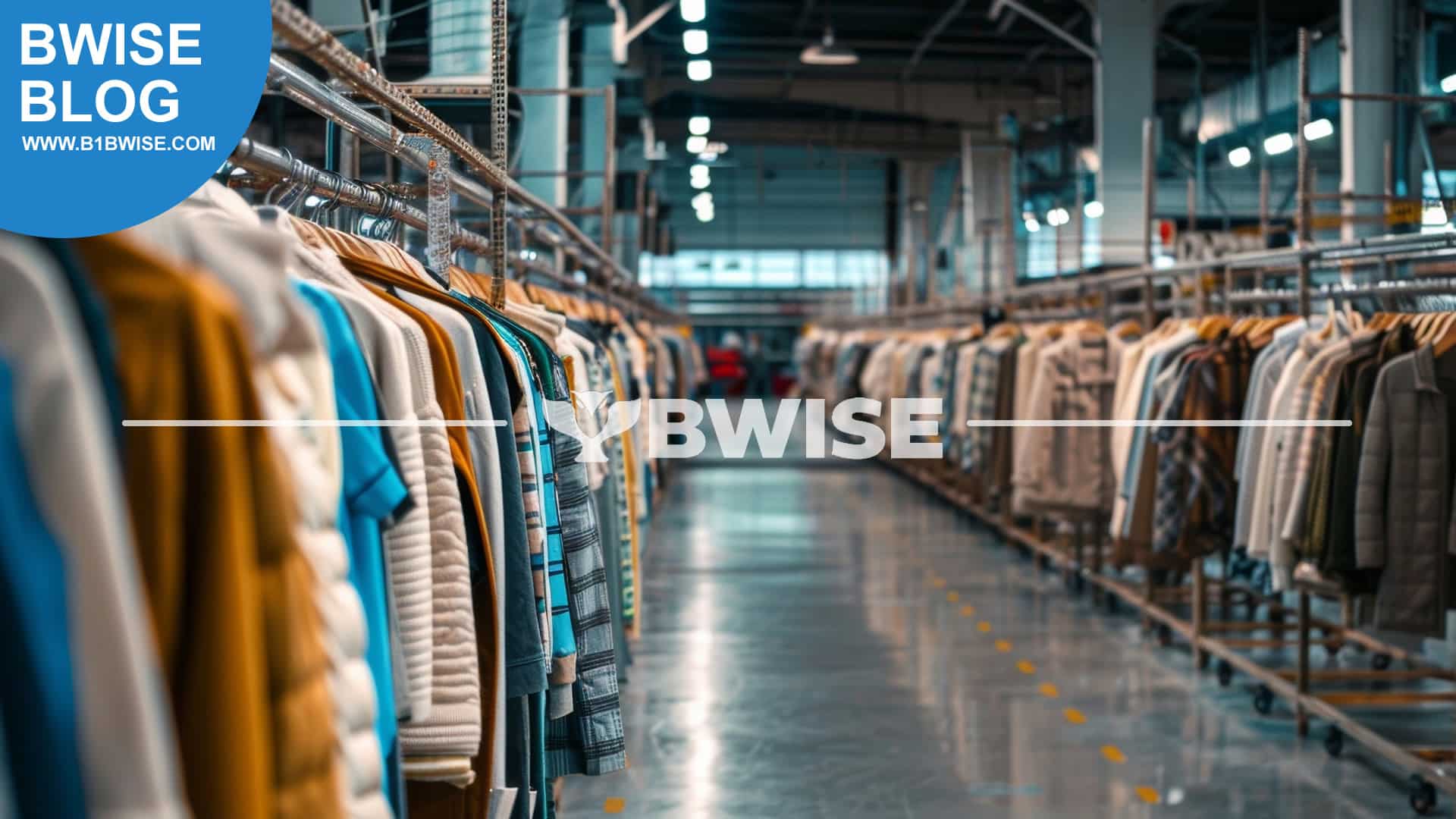
Walk into any major clothing store today, and you are looking at a logistical miracle or a logistical nightmare, depending on who you ask. Trends that used to take nine months to go from a designer’s sketchpad to a retail rack now make the journey in less than two weeks. This hyper-accelerated cycle is the defining feature of fast fashion.
While shoppers see an endless stream of affordable new styles, supply chain professionals see an unprecedented strain on infrastructure. Behind every micro-trend is a warehouse operating at a relentless pace. The traditional warehousing model, built for predictable, seasonal shifts, is being forced to reinvent itself to survive the demands of immediate gratification.
The Seasonal Paradigm vs. The Continuous Flow
Historically, apparel retail operated on four distinct seasons: spring, summer, autumn, and winter. Warehouses received large, predictable shipments ahead of each season, stored the inventory, distributed it to stores, and prepared for the next cycle months later.
Fast fashion broke that clock. Brands now release dozens of “mini-seasons” a year, meaning new inventory arrives continuously. This shift transforms the fundamental role of the warehouse.
- From Storage to Transit: Warehouses are no longer places where goods sit and wait for buyers. Instead, they function as high-speed sorting facilities where inventory must move out almost as fast as it arrives.
- Shrinking Footprints: Because stock turns over so quickly, space utilization must be mathematically precise. Holding dead stock for even a few weeks can paralyze an entire facility.
- The Death of Predictability: Instead of planning inventory months in advance, logistics managers must react to sudden spikes in demand driven by social media viral trends.
Inside the Fast Fashion Warehouse: Operational Challenges
Managing a fast fashion supply chain requires a level of agility that strains traditional logistics. When a single online video can cause a specific dress to sell out nationwide in forty-eight hours, the warehouse bears the brunt of the pressure.
High SKU Complexity
Fast fashion thrives on variety. A single shirt design might be produced in five colors and six sizes, creating thirty distinct Stock Keeping Units (SKUs). Multiply that by thousands of styles, and inventory management becomes incredibly complex. Workers must be able to locate, pick, and pack highly specific items without making errors, even as the product catalog changes entirely every few weeks.
The Return Nightmare
Reverse logistics is the Achilles’ heel of online apparel retail. Consumers routinely buy multiple sizes of the same garment with the intention of returning the ones that do not fit. In fast fashion, return rates can top 30%.
For a warehouse, processing a return is far more labor-intensive than shipping a new item. Each returned garment must be inspected for damage, cleaned or repackaged, re-tagged, and returned to the system. If this process takes too long, the item falls out of style before it can be resold, rendering it worthless.
[Customer Order] ➔ [Picking & Packing] ➔ [Shipping] ➔ [Delivery] ➔ [Return Initiated] ➔ [Inspection & Quality Control] ➔ [Re-tagging/Refurbishing] ➔ [Restocking to Inventory]
Labor Demands and Burnout
Despite advances in conveyor systems and sorting machinery, clothing remains notoriously difficult to handle automatically. Fabric is floppy, unpredictable, and comes in varied packaging, meaning human hands are still required for most of the picking, folding, and packing tasks. The constant pressure to meet tight shipping windows leads to high employee turnover and chronic labor shortages in major logistics hubs.
How Supply Chains Are Adapting to the Speed
To keep up without collapsing under the weight of their own inventory, modern fashion logistics operations are changing how they organize their networks and process goods.
Cross-Docking
To minimize the time a product spends on a shelf, many fast fashion operators utilize cross-docking. When inbound shipments arrive from manufacturing hubs, they are immediately transferred to outbound trucks with little to no storage time in between. This requires flawless coordination between suppliers and transportation networks, but it completely eliminates the bottleneck of traditional shelving.
Decentralized Distribution Networks
Relying on one or two massive, centralized warehouses makes it difficult to achieve next-day or same-day delivery. Many brands are moving toward a decentralized model, placing smaller fulfillment centers closer to major metropolitan areas. By positioning inventory closer to the end consumer, companies reduce transit times and shipping costs.
Dynamic Slotting
In a standard warehouse, items have fixed locations. In fast fashion, fixed locations do not work because the inventory mix changes constantly. Modern facilities use dynamic slotting, where the layout of the warehouse is continuously updated. High-demand items are placed near shipping docks for quick access, while slower-moving pieces are moved to the back. As trends shift, the physical layout of the inventory shifts with them.
The Environmental and Structural Cost of Speed
It is impossible to discuss fast fashion logistics without addressing the sustainability crisis it creates. The supply chain is built on cheap, disposable garments, and the warehouse is the clearinghouse for this waste.
- Massive Carbon Footprints: Expedited shipping, constant returns traveling back and forth across countries, and split shipments (where an order arrives in multiple boxes from different facilities) dramatically increase transportation emissions.
- Unsold Inventory Waste: Because fast fashion brands overproduce to avoid stockouts, millions of tons of unsold garments pass through warehouses straight to landfills or incinerators every year.
- Packaging Overhead: The sheer volume of single-use plastic mailers and cardboard boxes required to sustain continuous e-commerce shipping creates a massive waste management challenge for distribution centers.
Moving Toward a Balanced Future
The current pace of fast fashion supply chains is pushing physical infrastructure and human labor to its absolute limit. While consumers enjoy the convenience of cheap, rapid style updates, the backend operations required to support this habit are fragile and expensive to maintain.
Surviving the next decade will require logistics providers to find a balance between speed and resilience. This means investing in ergonomic warehouse designs to support workers, building more robust reverse logistics pipelines to handle the mountain of returns, and pushing apparel brands to create more predictable, sustainable production cycles. Until then, the warehouse remains the unsung, overworked engine driving the global fashion obsession.