
Modern warehouses across the United States face increasing pressure to deliver goods faster than ever before. To keep up with these demands, businesses must rely on advanced technology to streamline complex daily operations.
A robust management inventory system serves as the backbone for achieving long-term scalability. By automating manual tasks, companies can focus on reaching new levels of operational excellence.

Implementing an inventory optimization system allows firms to effectively reduce overhead costs. These tools provide real-time data that helps teams improve order fulfillment accuracy while minimizing waste.
In today’s fast-paced market, digital transformation is no longer just an option. It is an essential step for any business looking to maintain a competitive edge and ensure sustainable growth.
Key Takeaways
- Modern technology is vital for streamlining warehouse workflows.
- Digital tools provide the foundation for business scalability.
- Automation helps companies significantly lower their overhead expenses.
- Improved data accuracy leads to better order fulfillment rates.
- Adopting new software is necessary for long-term market competitiveness.
The Role of a Management Inventory System in Modern Warehousing
Think of a management inventory system as the central nervous system for your entire warehouse facility. In today’s fast-paced market, manual tracking methods simply cannot keep up with the speed of global commerce. By digitizing your operations, you create a foundation for growth and accuracy.
Integrating advanced inventory control software allows managers to gain real-time visibility into stock levels across multiple locations. This level of insight ensures that you always know exactly what is on your shelves. You can avoid the common pitfalls of overstocking or running out of essential items during peak seasons.
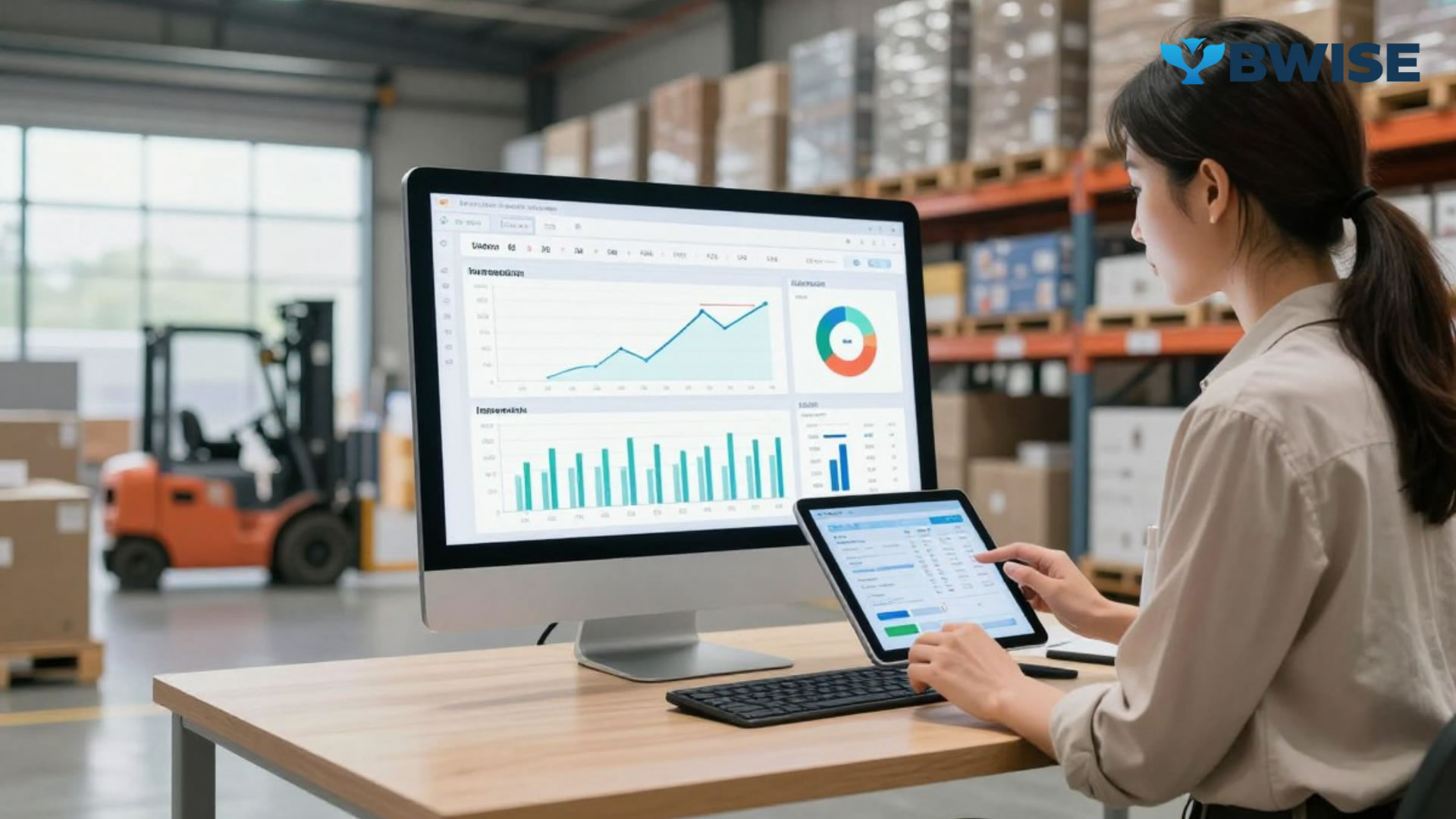
Beyond just tracking products, a high-quality asset management platform helps teams monitor equipment and inventory movement with unprecedented precision. When every pallet and forklift is accounted for, your team spends less time searching and more time fulfilling orders. This efficiency is vital for maintaining a competitive edge in the United States market.
Centralizing your data leads to better outcomes for your business. When you have a clear view of your operations, you can make informed decisions that directly impact your bottom line. Consider these primary benefits of adopting these digital tools:
- Enhanced accuracy in stock counts and order fulfillment.
- Improved visibility across various warehouse zones and remote sites.
- Reduced operational costs by eliminating wasted time and resources.
- Higher customer satisfaction through faster and more reliable shipping.
By utilizing a robust management inventory system, you transform your warehouse into a data-driven powerhouse. Whether you are using specialized inventory control software or a comprehensive asset management platform, the goal remains the same. You are building a smarter, faster, and more profitable future for your distribution center.
Core Features That Drive Operational Efficiency
Transforming a standard warehouse into a high-performance facility requires the right set of digital tools. By leveraging a robust warehouse management system, businesses can automate complex tasks that once slowed down daily operations. These features act as the backbone for any facility aiming to increase its overall throughput.
Automated Data Capture and Barcoding
Manual data entry is often the primary source of errors in busy distribution centers. Implementing automated barcoding allows staff to scan items instantly during receiving and picking processes. This shift eliminates human error and ensures that your inventory records remain accurate at all times.
When you use reliable inventory control software, the speed of your workflow increases significantly. Workers spend less time typing information and more time moving goods through the supply chain. This simple upgrade creates a ripple effect of efficiency across the entire warehouse floor.
RFID Integration for Asset Visibility
Radio Frequency Identification (RFID) technology takes tracking to a new level of precision. Unlike traditional methods, RFID provides a granular view of every item moving through your facility in real time. This level of asset visibility is essential for maintaining tight control over high-value stock.
By integrating this technology into your warehouse management system, you gain instant insights into stock levels. You no longer need to rely on periodic manual counts to know what is on your shelves. This constant stream of data helps managers make informed decisions quickly.
Ultimately, utilizing a specialized stock management tool ensures that every item is accounted for from arrival to final shipment. This level of oversight prevents losses and improves customer satisfaction. Investing in the right inventory control software and stock management tool is the smartest way to future-proof your logistics operations.
Integrating Technology for Seamless Supply Chain Management
Integrating your warehouse operations into a broader digital ecosystem changes how you do business. When your warehouse management system communicates directly with other departments, you eliminate the costly communication silos that often slow down growth. This connectivity ensures that procurement, sales, and logistics teams always work from the same set of data.
By using advanced supply chain management software, companies can bridge the gap between physical stock and digital records. This synchronization allows for real-time updates that keep every stakeholder informed. When sales teams know exactly what is available, they can make promises to customers that the warehouse can actually fulfill.
A reliable inventory tracking solution provides the transparency needed to manage complex supply chains effectively. With accurate data at your fingertips, you can monitor stock levels across multiple locations without manual errors. This level of visibility is essential for maintaining high service standards in a competitive market.
Fostering seamless integration offers several key advantages for your business:
- Improved agility to respond quickly to sudden market fluctuations.
- Enhanced accuracy in demand forecasting and procurement planning.
- Better collaboration between departments to reduce operational bottlenecks.
- Increased customer satisfaction through reliable order fulfillment and tracking.
Ultimately, investing in a robust supply chain management software suite is about more than just organizing shelves. It is about creating a responsive environment where your inventory tracking solution acts as the heartbeat of your entire organization. By choosing a high-quality warehouse management system, you position your company to adapt to changing consumer demands with confidence and speed.

Overcoming Common Warehouse Challenges with Automation
Modern automation offers a clear path to solving the most persistent headaches in warehouse management. Many facilities struggle with inaccurate inventory counts and inefficient use of physical space. These issues often lead to costly delays and frustrated customers.
By implementing a robust inventory tracking solution, managers gain real-time visibility into every item on the floor. This level of transparency eliminates guesswork and ensures that your team always knows exactly what is in stock. You can finally move away from manual spreadsheets that are prone to human error.
Strategies for Minimizing Stockouts and Overstocking
Predictive analytics play a vital role in keeping your supply chain running smoothly. These systems analyze historical data to forecast future demand with high accuracy. When you use an asset management platform, you can better allocate your human resources and floor space during peak seasons.
Automated replenishment triggers are another powerful way to maintain balance. These tools notify your team the moment stock levels dip below a pre-set threshold. This proactive approach prevents the dreaded stockout while ensuring you do not order more than you actually need.
Using a modern stock management tool empowers your staff to optimize inventory levels effortlessly. This technology helps you avoid the financial burden of dead stock sitting on your shelves. Capital efficiency becomes a reality when you stop tying up your budget in items that do not sell.
Conclusion
Modern warehouses thrive when leaders embrace digital transformation. Adopting an advanced inventory optimization system serves as a strategic move to secure long-term growth. This shift turns manual bottlenecks into streamlined workflows that save time and money.
Top companies now rely on comprehensive supply chain management software to maintain a competitive edge. These tools provide the visibility needed to make smart decisions in real time. Your team gains the ability to track stock levels with precision while reducing human error.
Investing in these technologies prepares your business for the demands of a fast-paced market. You can start by auditing your current workflows to identify areas ripe for digital improvement. Small changes often lead to significant gains in overall productivity.
Take the next step toward full automation today. Reach out to industry leaders like Oracle or SAP to explore how these platforms fit your specific needs. Your commitment to innovation will define your success in the coming years.