
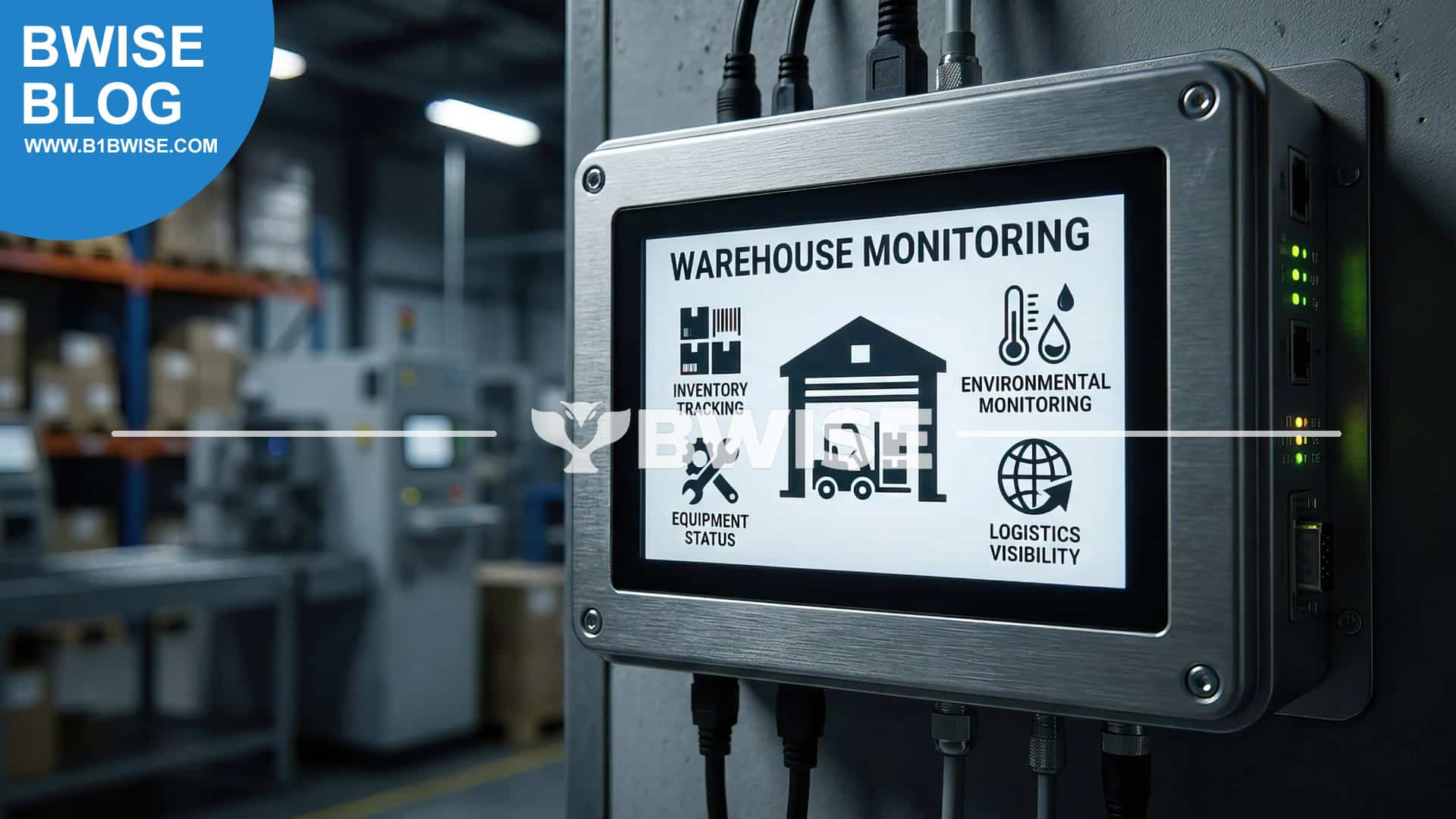
When temperature-sensitive raw materials, chemicals, or pharmaceuticals suffer environmental breaches during transport or storage, the cost of delayed detection can be catastrophic. If a compromised ingredient makes its way onto the production floor and is processed into finished goods, the resulting product waste, machinery downtime, and potential recall liability multiply rapidly.
Traditional quality control relies heavily on periodic manual inspections, manual logging, and post-event audits. This creates a dangerous time gap between when a physical quality exception occurs and when the corresponding inventory is isolated in your Enterprise Resource Planning (ERP) system.
By connecting Internet of Things (IoT) environmental sensors directly to SAP Business One, distributors and manufacturers can replace manual reporting with automated quality blocks. The moment an environmental threshold is breached, the inventory is locked in SAP Business One, preventing compromised stock from being picked, processed, or shipped.
The Risk of Manual Quality Logs in Cold Chains and Process Manufacturing
In high-consequence industries such as food processing, life sciences, and specialty chemicals, product integrity depends entirely on maintaining precise environmental conditions. A temporary refrigeration failure in a cold storage room or an unexpected humidity spike in a raw powder silo can render raw materials unusable.
Relying on manual processes to catch these disruptions introduces significant operational vulnerabilities:
- Detection Latency: Hours or days can pass between an environmental breach and a scheduled manual quality check. During this window, warehouse teams may unknowingly release spoiled stock to production.
- Human Data Entry Errors: Manual paper logs or spreadsheets can contain transcript errors, unrecorded readings, or delayed entries that fail to capture brief but damaging temperature spikes.
- Limited Chain-of-Custody Visibility: Paper logs rarely provide the continuous, verifiable audit trail required by strict regulatory bodies during compliance reviews.
To eliminate these vulnerabilities, quality management must move from reactive auditing to real-time, automated stock containment.
How IoT Integration Interacts with SAP Business One
Modern IoT sensors continuously monitor environmental metrics, including temperature, relative humidity, vibration, ambient pressure, and light exposure. These low-power devices stream real-time environmental telemetry to an IoT gateway or cloud platform.
To protect system responsiveness and follow clean core architecture principles, sensor telemetry should not be written directly to the core ERP database. Instead, an intermediary integration service evaluates incoming sensor streams against defined quality parameters.
When a sensor detects an anomaly, the integration service executes a call to the SAP Business One Service Layer, automatically updating the inventory record.
Depending on how your system is configured, this automated event can trigger several immediate system actions:
- Batch Status Escalation: Changing a batch status from Released to Not Accessible or Locked instantly blocks the batch from sales orders, delivery notes, and production issue receipts.
- Warehouse Quarantine Transfers: The system automatically executes an inventory transfer, moving the affected stock from an active bin location to a designated Quarantine Warehouse.
- Automated Quality Audit Tasking: SAP Business One generates an internal activity or notification for the Quality Control team, detailing the exact sensor reading, timestamp, and affected batch number for investigation.
Key Scenarios for Sensor-Driven Inventory Containment
Automating quality blocks via IoT telemetry provides immediate operational protection across several stages of the supply chain.
In-Transit Receiving Exceptions
Cold-chain shipments often arrive with cellular or satellite-enabled data loggers. Upon arrival at the receiving dock, the IoT logger transmits its transit history to the integration middleware. If a temperature excursion occurred while the truck was in transit, SAP Business One automatically flags the incoming goods receipt for quarantine, preventing staff from mixing the shipment with clean warehouse stock.
Storage Climate Breaches
If a freezer unit fails or a storage cooler door is left open overnight, IoT climate sensors register the temperature drift. Once the temperature exceeds the safe threshold for a predefined grace period, the integration pipeline locks all batches assigned to that specific storage bin or cooler zone in SAP Business One.
Shock and Handling Damage
For sensitive electronics, industrial machinery, or liquid glass containers, heavy vibration or physical drops can cause hidden structural damage. Tri-axial accelerometers attached to shipping pallets report excessive shock events, prompting SAP Business One to lock the pallet for structural inspection before it is transferred to high-bay storage.
Preserving ERP Performance and Data Quality
Connecting hundreds of continuously streaming IoT devices directly to an enterprise database requires thoughtful system architecture. Processing a continuous stream of raw sensor pings inside SAP Business One will quickly consume database storage and degrade overall system execution speed.
To maintain optimal system performance, adhere to these technical best practices:
- Process Thresholds at the Edge: Process raw sensor data on the IoT gateway or middleware layer. Only transmit payload calls to SAP Business One when a quality exception occurs or when logging scheduled daily summaries.
- Utilize the Service Layer: Execute inventory status changes using the SAP Business One Service Layer (REST APIs) rather than writing custom database triggers or direct database updates.
- Maintain Granular Batch Mapping: Ensure warehouse storage locations, bin codes, and batch numbers in SAP Business One match the physical topology of your sensor network, preventing broad false-alarm blocks across unaffected stock.
Protecting Brand Reputation and Operating Margins
Automating inventory blocks through IoT integration bridges the gap between physical warehouse conditions and enterprise resource management. Rather than discovering product spoilage after compromised stock enters production or reaches a customer, SAP Business One users can instantly contain quality exceptions at the moment they occur.
This proactive approach to quality management reduces material waste, protects manufacturing equipment from damaged inputs, and ensures regulatory compliance. By letting real-time sensor data govern stock accessibility, businesses can safeguard both operating margins and market reputation.