
Keeping a modern business running smoothly requires clear vision and the right digital tools. Many companies often struggle to balance supply levels while meeting growing customer needs. Improving operational flow is vital for achieving sustainable growth and staying ahead of competitors.
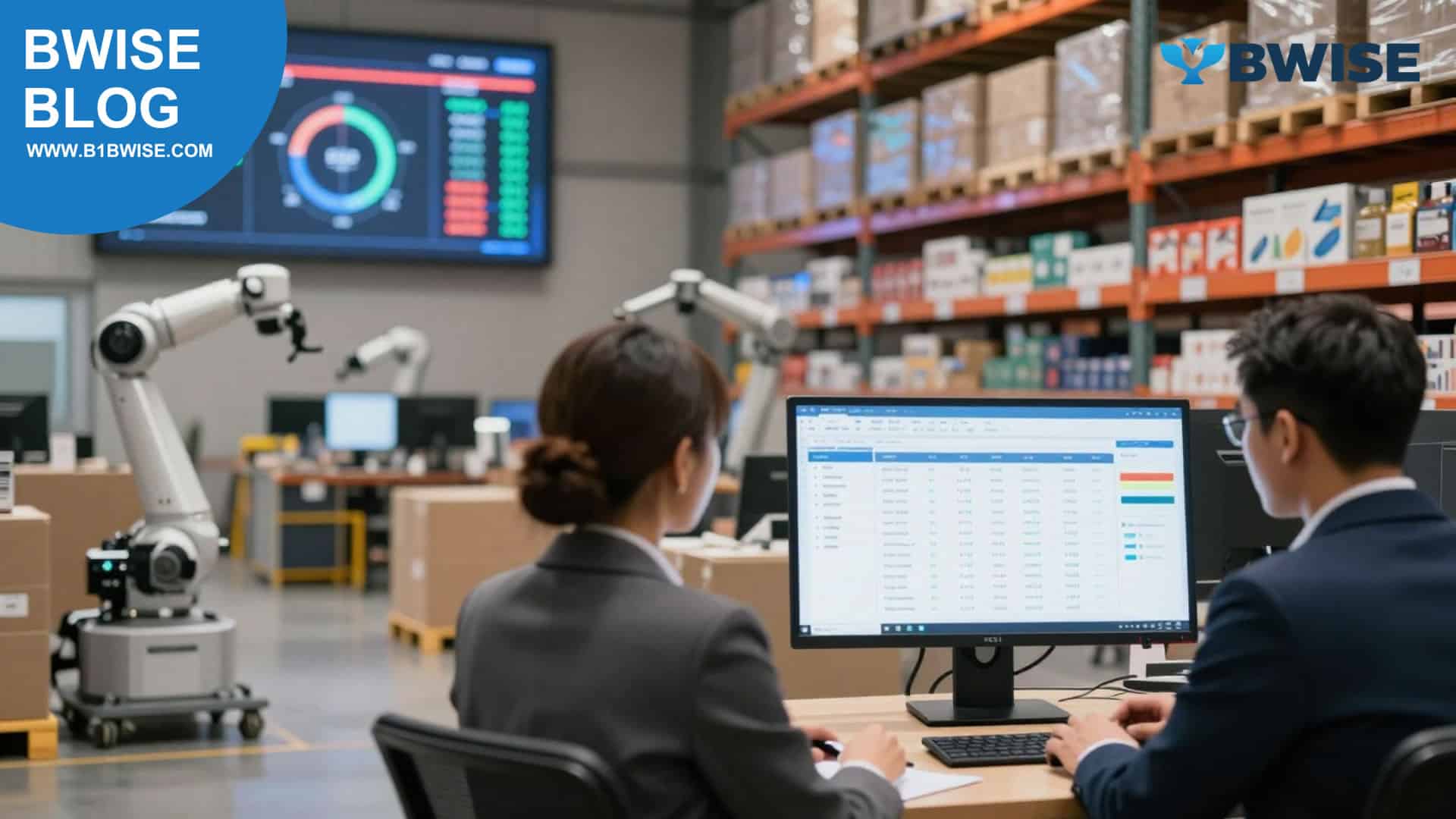
Implementing a robust ERP inventory management solution helps reduce waste and saves valuable time. It allows teams to focus on growth rather than manually counting boxes every day. Using advanced tracking ensures your warehouse stays balanced and ready for every new order.
These digital systems offer a clear view of your entire supply chain at any moment. You can finally stop worrying about shortages and start focusing on long-term success. High-quality software ensures your operations remain competitive and agile as your customer base expands.
Key Takeaways
- Achieve high accuracy levels across all warehouse locations.
- Create better warehouse flow to speed up daily tasks.
- Experience reduced storage costs by eliminating excess stock.
- Enable faster order fulfillment to keep customers happy.
- Access real-time data updates for better decision making.
- Make smarter purchasing decisions based on actual usage trends.
Understanding the Inventory Management Module in ERP
Understanding the intricacies of the inventory management module in ERP is crucial for businesses aiming to enhance their efficiency. The inventory management module is a critical component of ERP systems, designed to manage and optimize inventory levels, track inventory movements, and ensure that the right products are available at the right time.
ERP inventory software is equipped with a range of tools and features that enable businesses to streamline their inventory management processes. By leveraging these capabilities, companies can reduce costs, improve customer satisfaction, and gain a competitive edge in the market.
Core Functions of Modern ERP Inventory Software
Modern ERP inventory software offers a variety of core functions that are essential for effective inventory management. These include:
Inventory tracking and monitoring, automated reporting, and analytics. These functions enable businesses to maintain accurate inventory records, make informed decisions, and respond quickly to changes in demand or supply.
Bridging the Gap Between Procurement and Sales
One of the key benefits of ERP inventory software is its ability to bridge the gap between procurement and sales. By providing real-time visibility into inventory levels and movements, ERP systems enable businesses to synchronize their procurement and sales processes, reducing the risk of stockouts or overstocking.
This integration ensures a smooth flow of goods and information across the organization, ultimately leading to improved operational efficiency and customer satisfaction.
Streamlining Warehouse Management for Peak Performance
To achieve peak performance in warehouse management, businesses must adopt a robust and integrated inventory management module within their ERP system. This integration enables companies to automate various processes, improve accuracy, and respond swiftly to changing demands.

Automating Stock Movements and Transfers
One of the key benefits of an advanced inventory management module is the automation of stock movements and transfers. This feature allows businesses to track the movement of goods within the warehouse in real-time, reducing the likelihood of errors and increasing operational efficiency. By automating these processes, companies can minimize manual intervention, thereby reducing labor costs and improving overall productivity.
Real-Time Inventory Tracking Software Capabilities
Real-time inventory tracking software is another critical component of modern warehouse management. This technology provides businesses with up-to-the-minute information on stock levels, enabling them to make informed decisions about inventory management. With real-time tracking, companies can monitor stock movements, identify trends, and respond promptly to any discrepancies or issues that may arise.
Reducing Human Error in Data Entry
Manual data entry is a common source of errors in warehouse management. By implementing an inventory management module with automated data capture capabilities, businesses can significantly reduce human error. Automated systems can accurately record stock movements and updates, ensuring that inventory records are reliable and up-to-date.
Improving Accuracy with Barcode and RFID Integration
The integration of barcode and RFID technologies further enhances the accuracy of inventory management. These technologies enable businesses to track inventory with precision, automating the process of data entry and minimizing the risk of human error. By leveraging barcode and RFID integration, companies can ensure that their inventory records are accurate and reliable, leading to improved decision-making and operational efficiency.
Achieving Inventory Optimization Through Data Analytics
By leveraging data analytics, businesses can achieve optimal inventory levels, thereby enhancing their overall efficiency. The inventory management module within an ERP system provides advanced analytics capabilities that help organizations make data-driven decisions.
The use of data analytics in inventory management enables businesses to gain valuable insights into their inventory levels, demand patterns, and supply chain operations. This information is crucial for optimizing inventory levels and improving overall business performance.
Predictive Forecasting for Demand Planning
Predictive forecasting is a critical component of demand planning, allowing businesses to anticipate future demand and adjust their inventory levels accordingly. By analyzing historical data and market trends, predictive forecasting tools can provide accurate forecasts that help businesses prepare for fluctuations in demand.
Accurate demand forecasting enables businesses to maintain optimal inventory levels, reducing the risk of overstocking and stockouts. This, in turn, leads to improved customer satisfaction and reduced costs associated with inventory holding and management.
Balancing Stock Levels to Prevent Overstocking and Stockouts
Balancing stock levels is essential to prevent overstocking and stockouts, both of which can have significant negative impacts on a business. Overstocking can lead to unnecessary holding costs and waste, while stockouts can result in lost sales and damaged customer relationships.
By utilizing data analytics and ERP inventory management tools, businesses can strike the right balance between inventory levels and demand. This involves continuously monitoring inventory levels, demand patterns, and supply chain operations to make informed decisions.
Effective inventory optimization through data analytics is a powerful strategy for businesses seeking to improve their operational efficiency and competitiveness. By leveraging predictive forecasting and balancing stock levels, organizations can achieve significant benefits, including reduced costs, improved customer satisfaction, and enhanced business performance.
Enhancing Operational Visibility with an Inventory Control Module
Operational visibility is significantly improved with the implementation of an advanced inventory control module. This enhancement is crucial for businesses aiming to streamline their operations and make informed decisions. By centralizing data and generating actionable reports, organizations can achieve a higher level of operational transparency.
Centralizing Data Across Multiple Locations
One of the primary benefits of an inventory control module is its ability to centralize data across multiple locations. This feature allows businesses to have a unified view of their inventory, regardless of where it’s stored. With data centralized, companies can more effectively manage stock levels, reduce discrepancies, and improve overall inventory accuracy.
Centralizing data also facilitates better coordination between different departments and locations. For instance, sales teams can access real-time inventory information, enabling them to provide more accurate delivery dates to customers. Similarly, procurement teams can make informed decisions based on the centralized data, ensuring that stock levels are maintained optimally.
Generating Actionable Reports for Management Decisions
Another significant advantage of an inventory control module is its capability to generate actionable reports. These reports provide management with valuable insights into inventory trends, stock movements, and other critical metrics. By analyzing these reports, businesses can identify areas for improvement and make data-driven decisions to optimize their inventory management processes.
Actionable reports can also help organizations in forecasting demand and planning for future inventory needs. By understanding historical trends and current market conditions, businesses can adjust their inventory strategies to meet changing demands, thereby reducing the risk of overstocking or stockouts.

Selecting the Right ERP Inventory Management Solution for Your Business
With numerous ERP inventory management solutions available, selecting the one that fits your business needs is a critical decision. The right ERP system can significantly enhance your business efficiency by streamlining inventory management processes.
Key Features to Look for in an ERP Inventory Management Tool
When evaluating an ERP inventory management solution, there are several key features to consider. Real-time inventory tracking is crucial for maintaining accurate stock levels and preventing stockouts or overstocking.
Another important feature is automated reporting, which can save time and reduce errors. Additionally, consider a solution that offers multi-location inventory management if your business operates across multiple warehouses or stores.
Scalability and Integration with Existing Systems
Scalability is another critical factor when choosing an ERP inventory management solution. Your business may grow, and your ERP system should be able to accommodate increased demand and expanded operations.
Look for a solution that is scalable and flexible to adapt to your business needs. Furthermore, ensure that the ERP inventory management solution can integrate seamlessly with your existing systems, such as accounting software, CRM, and e-commerce platforms.
Conclusion
Implementing an inventory management module in ERP is a strategic move for businesses aiming to improve efficiency and reduce operational costs. By streamlining warehouse management, optimizing inventory levels, and enhancing operational visibility, businesses can achieve significant improvements in their overall performance.
The inventory management module in ERP provides real-time tracking, automates stock movements, and offers predictive forecasting for demand planning. These features enable businesses to make informed decisions, prevent overstocking and stockouts, and maintain a competitive edge in the market.
By centralizing data across multiple locations and generating actionable reports, the inventory management module in ERP facilitates better management decisions. As businesses continue to evolve, selecting the right ERP inventory management solution that scales with their growth and integrates with existing systems is crucial.
Ultimately, the effective use of an inventory management module in ERP can lead to improved customer satisfaction, reduced costs, and increased profitability, making it an indispensable tool for businesses seeking to thrive in today’s competitive landscape.