
Modern building sites face massive logistical hurdles every single day. Managing materials effectively is just as important as the actual building process itself. Without clear oversight, teams often struggle with missing parts and disorganized inventory.
Implementing a specialized WMS construction platform helps site managers track supplies in real-time. This digital shift prevents costly downtime and keeps workers productive. By addressing common inefficiencies, technology serves as a foundational tool for streamlining complex supply chains.
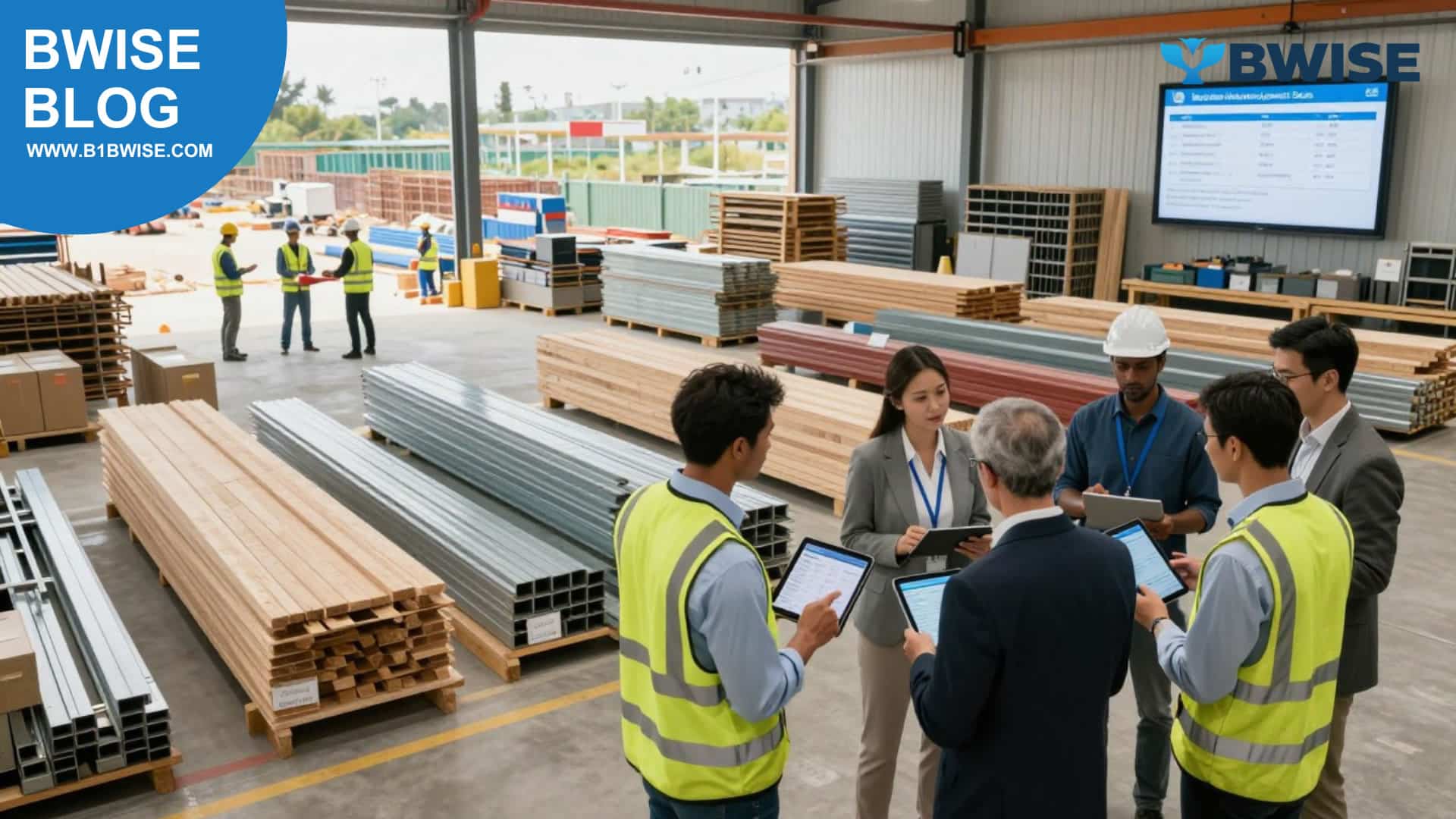
Efficient oversight transforms how firms handle large construction projects. By cutting unnecessary waste, companies boost their bottom line and finish work on schedule. Embracing these digital solutions is the smartest way to ensure long-term success in a competitive industry.
Key Takeaways
- Effective material tracking prevents project delays.
- Digital tools reduce physical waste on the job site.
- Real-time data improves overall supply chain visibility.
- Better inventory management lowers operational costs.
- Technology integration leads to more predictable project outcomes.
The Current State of Construction Logistics
Every building contractor knows that a project is only as good as its supply chain. In today’s fast-paced environment, the ability to move materials from a warehouse to a job site with precision is vital. Unfortunately, many firms still rely on manual processes that struggle to keep up with modern demands.
Effective project management requires a clear view of every asset in the pipeline. When logistics fail, the entire workflow suffers, leading to frustration for both the crew and the client. This reality highlights why high-quality construction services must evolve beyond traditional, paper-based tracking methods.
Common Challenges in Material Handling
One of the biggest hurdles on a job site is the lack of real-time visibility. When materials arrive without proper coordination, they often create bottlenecks that stall progress. Teams frequently waste hours searching for misplaced items or waiting for deliveries that were delayed due to poor communication.
Manual data entry remains a significant pain point for many companies. Relying on spreadsheets or physical logs increases the risk of human error, which can lead to incorrect orders. These small mistakes often snowball into major setbacks that disrupt the entire construction schedule.
The Hidden Costs of Disorganized Warehousing
Disorganized storage areas are more than just an eyesore; they are a drain on your bottom line. When inventory is not tracked accurately, companies often over-order materials to compensate for the uncertainty. This leads to unnecessary spending and ties up capital that could be used elsewhere.
Furthermore, disorganized warehousing forces workers to spend valuable time hunting for parts instead of building. This hidden labor cost is a major factor in budget overruns. By streamlining how materials are stored and retrieved, a building contractor can significantly improve project management efficiency and ensure that construction services remain profitable.

Core Benefits of Implementing WMS Construction Software
Managing a busy job site requires precision, which is why many firms are turning to digital solutions. Adopting a specialized WMS construction platform allows teams to move away from manual spreadsheets and error-prone tracking methods. This shift creates a more organized environment where resources are always accounted for.
Real-Time Inventory Visibility for General Contractors
Every general contractor knows that missing materials can bring a project to a complete standstill. With real-time visibility, you can track exactly what is in your warehouse and what is currently on-site. This level of oversight ensures that your team never faces unexpected shortages during critical phases of a build.
By having instant access to stock levels, a general contractor can make informed decisions about resource allocation. You no longer have to guess if you have enough lumber or hardware to finish the week. This transparency is a game-changer for maintaining project momentum.
Automating Procurement and Stock Replenishment
Manual ordering processes often lead to human error and delayed shipments. Modern software automates these tasks by triggering reorder points when supplies run low. This proactive approach ensures that your inventory levels remain optimal without constant manual intervention.
Automation also helps in maintaining a lean supply chain. By setting specific thresholds, your system will alert you before you run out of essential items. This prevents the need for expensive rush orders and keeps your budget on track.
Improving Accuracy in Commercial and Residential Construction
Whether you are working on large-scale commercial construction or smaller residential construction projects, accuracy is vital. Specialized software reduces the risk of miscounting materials or losing track of expensive equipment. This precision leads to fewer mistakes and higher quality results for your clients.
Using a robust WMS construction tool helps standardize your inventory processes across different job sites. When your data is accurate, your entire team can work with confidence. This consistency is the foundation of a successful and profitable construction business.
Strategies for Minimizing Material Waste and Project Delays
Every building contractor knows that wasted materials and missed deadlines are the biggest threats to profitability. By adopting smarter workflows, teams can protect their margins while ensuring high-quality results. These strategies focus on turning raw data into actionable insights for better site control.
Reducing Over-Ordering Through Data-Driven Forecasting
Excess inventory often sits idle on job sites, where it risks damage or theft. By using historical usage data, a building contractor can predict exactly how much material is needed for specific phases. This precision prevents the common pitfall of over-ordering supplies that clutter the workspace.
Accurate forecasting allows teams to align procurement with the actual pace of work. When you order only what is necessary, you free up capital and reduce the physical footprint of your storage areas. This approach is vital for maintaining a clean and safe environment in residential construction.
Optimizing Site Deliveries to Prevent Bottlenecks
Congested job sites often lead to significant delays and safety hazards. Coordinating deliveries to match the daily schedule ensures that materials arrive exactly when the crew is ready to install them. This just-in-time delivery model eliminates the need for large, disorganized staging areas.
Effective project management relies on clear communication between the warehouse and the field. By scheduling arrivals during off-peak hours, you keep the site accessible for workers and equipment. This flow keeps the project moving forward without unnecessary interruptions.
Enhancing Accountability with Digital Tracking
Digital tools provide a transparent view of where materials are located at any given moment. When every item is scanned or logged, team members take greater ownership of the inventory. This level of accountability reduces the likelihood of misplaced items or duplicate orders.
Integrating these systems into your daily project management routine creates a reliable audit trail. It ensures that everyone stays on the same page regarding stock levels and usage rates. Ultimately, these digital solutions are essential for long-term success in residential construction.

Best Practices for Integrating Warehouse Technology
Transitioning to a digital warehouse management system is a transformative step for modern construction services. A successful integration requires more than just installing software; it demands a clear strategy that aligns with your operational goals. By following a structured roadmap, you can minimize downtime and ensure your team is ready for the change.
Training Your Team for Digital Transformation
The human element is the most critical factor in any digital shift. You must prioritize comprehensive training programs to help your staff feel confident using new tools. When employees understand how the technology simplifies their daily tasks, they are more likely to embrace the new workflow.
Encourage open communication during the transition period to address any concerns immediately. Providing hands-on workshops can bridge the gap between traditional methods and digital processes. Consistent support ensures that your team remains productive while they learn the new system.
Selecting the Right Software for Your Construction Company
Choosing the right platform is essential for firms specializing in commercial construction. You need a solution that offers robust inventory tracking and integrates seamlessly with your existing procurement processes. Look for software that provides real-time data to help you make informed decisions on the job site.
Consider the specific needs of your projects, such as material lead times and site-specific requirements. A scalable platform will allow you to add features as your project complexity increases. Customizable dashboards are particularly useful for tracking high-value assets across multiple locations.
Scaling Warehouse Operations as Your Business Grows
As your construction company takes on larger contracts, your warehouse operations must evolve to keep pace. Start by automating routine tasks to free up your staff for more complex logistics management. This efficiency allows you to handle higher volumes of materials without sacrificing accuracy.
Regularly audit your processes to identify bottlenecks that could hinder your growth. Investing in flexible infrastructure ensures that your warehouse can adapt to changing market demands. By planning for future expansion today, you position your business for long-term success in a competitive industry.
Conclusion
Modern technology changes how every construction company manages its daily operations. Adopting a warehouse management system turns chaotic supply chains into streamlined assets. This shift allows your team to focus on quality work rather than searching for missing parts.
A proactive general contractor understands that digital tools provide a clear path to profitability. These systems protect your bottom line by reducing waste and preventing costly downtime. Your ability to track materials in real time creates a massive advantage in a crowded market.
Successful construction projects rely on precision and clear communication. By integrating these software solutions, you position your firm to handle larger jobs with greater ease. Your commitment to innovation ensures that your business remains a leader in the industry.
Start your digital transformation today to secure long-term growth. Reach out to BWISE to explore options that fit your specific needs. Your next project deserves the best tools available to ensure peak performance and client satisfaction.