
Today’s shoppers expect their orders to arrive faster than ever before. To stay ahead, businesses must rethink how they manage inventory across every sales channel. A robust omnichannel fulfillment strategy acts as the backbone for companies aiming to thrive in a digital-first economy.
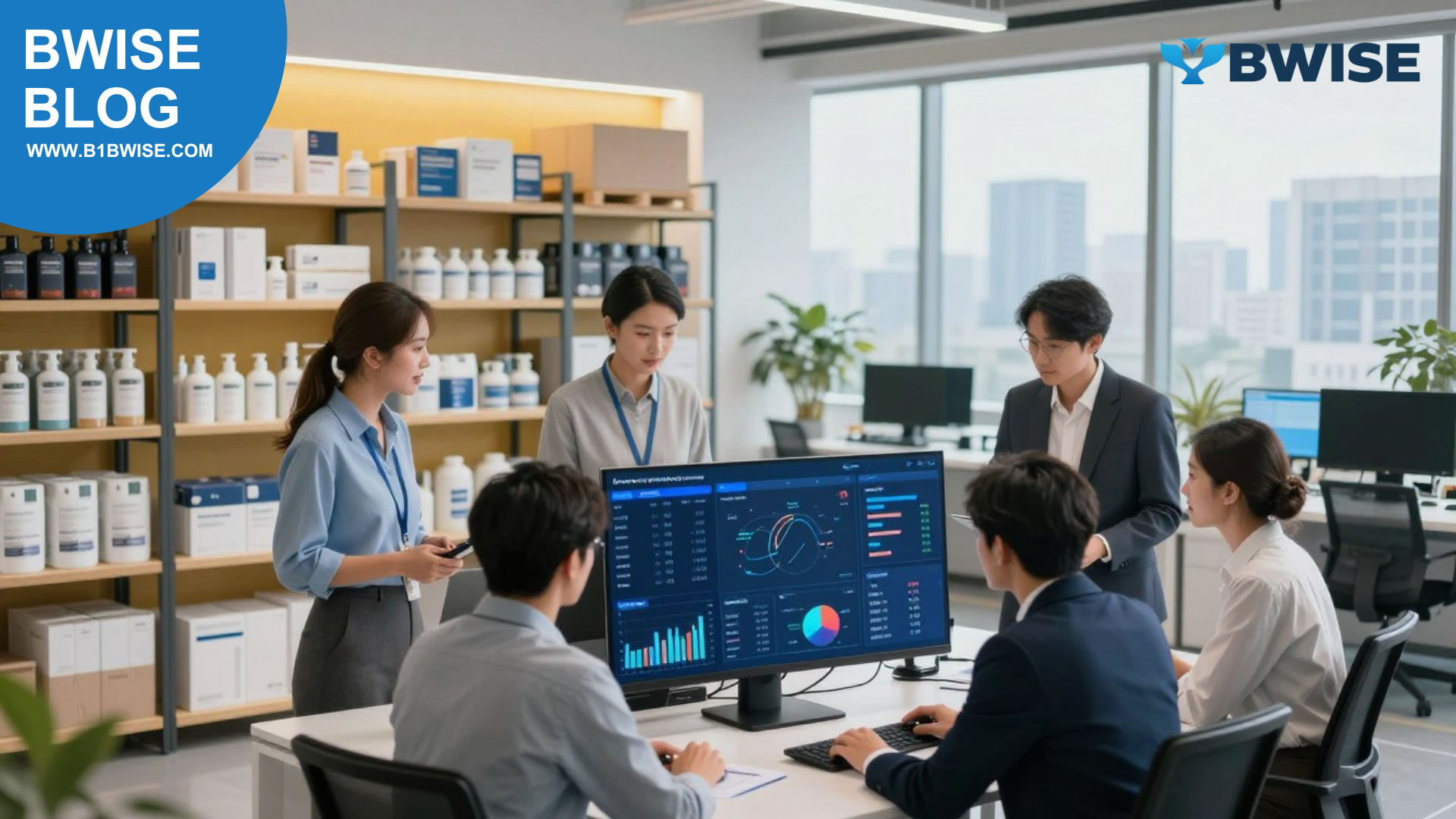
By blending advanced technology with smart logistics, distributors can provide a seamless customer experience that builds lasting trust. Modern retail distribution requires agility to meet these high expectations for speed and reliability. When you align your operations with these shifting demands, you secure a vital competitive edge.
Key Takeaways
- Modern shoppers demand rapid delivery and consistent service across all platforms.
- A unified logistics approach is essential for maintaining a competitive advantage.
- Technology integration helps bridge the gap between digital orders and physical stock.
- Prioritizing speed and reliability drives long-term brand loyalty among consumers.
- Retailers must evolve their distribution models to keep pace with market changes.
The Evolution of Omnichannel Fulfillment in the US Market
Decades ago, the retail industry operated through simple, siloed channels that rarely interacted with one another. Brick-and-mortar stores functioned independently from catalog sales, creating a fragmented experience for both the business and the consumer. Today, the rise of omnichannel retail has dismantled these barriers, forcing companies to view their operations as a single, interconnected ecosystem.
As consumer expectations shifted toward instant gratification, businesses had to adapt their inventory management strategies. The transition to multi-channel fulfillment allowed brands to sell across various platforms, but it also introduced significant complexity. Distributors now face the pressure of maintaining accurate stock levels across physical stores, warehouses, and digital storefronts simultaneously.
The rapid growth of e-commerce fulfillment has fundamentally changed how products move from the factory floor to the customer’s doorstep. Companies that prioritize supply chain optimization are better equipped to handle the volatility of modern demand. By leveraging data-driven insights, these organizations can reduce overhead costs while improving delivery speeds across the United States.
Building a unified retail supply chain is no longer just a competitive advantage; it is a requirement for long-term survival. Modern distributors must integrate their logistics networks to ensure visibility and agility at every touchpoint. This historical shift provides the essential foundation for navigating the complex logistical hurdles that define the current American market.

Core Pillars of an Effective Omnichannel Fulfillment Strategy
Creating a resilient supply chain starts with mastering the core pillars of omnichannel fulfillment strategy. To succeed, businesses must prioritize supply chain visibility to ensure that every product movement is accounted for. By utilizing real-time inventory tracking, companies can maintain a clear view of their stock across all nodes of their multi-channel fulfillment network.
Leveraging Centralized Data for Multi-Channel Visibility
Centralized data acts as the brain of your logistics operation. When all sales channels feed into one system, you gain the ability to make informed decisions quickly. This level of transparency helps teams anticipate demand shifts before they impact the bottom line.
Reducing Stockouts and Overstock Situations
Effective inventory management is essential for maintaining healthy profit margins. Through omnichannel inventory management, retailers can achieve better inventory synchronization across physical stores and digital warehouses. This process significantly boosts inventory accuracy, ensuring that you never disappoint a customer with an unexpected out-of-stock notice.
Streamlining Pick, Pack, and Ship Workflows
A sophisticated warehouse management system is the engine that drives efficient order fulfillment. By automating routine tasks, your team can focus on high-priority shipments and complex orders. Streamlining these workflows reduces human error and speeds up the time it takes to get products into the hands of your customers.
Managing Last-Mile Fulfillment Challenges
The final stage of the delivery process often presents the most significant hurdles for modern retailers. Last-mile fulfillment requires a delicate balance of speed, cost, and reliability to keep shoppers satisfied. By optimizing your local distribution points, you can overcome these obstacles and provide a seamless experience from checkout to the customer’s doorstep.
Integrating Technology Solutions for Seamless Operations
Modern retail success relies heavily on the digital infrastructure connecting your warehouse to your storefront. By adopting integrated technology solutions, businesses can remove manual bottlenecks and create a smoother flow of goods. This digital transformation is essential for staying competitive in today’s fast-paced market.
Enhancing Warehouse Automation and Accuracy
Implementing a modern warehouse management system is the first step toward operational excellence. A specialized WMS for retail helps teams manage complex stock movements with ease. This software reduces human error and significantly boosts inventory accuracy across all storage zones.
Furthermore, warehouse automation tools like automated picking systems and barcode scanners speed up daily tasks. These tools ensure that every item is accounted for from the moment it arrives. When your team spends less time searching for products, they can focus on fulfilling orders faster.
Connecting SAP Business One with E-commerce Platforms
A powerful ERP for retail distribution acts as the central nervous system for your entire business. By connecting SAP Business One retail with your online storefronts, you create a unified data environment. This connection is vital for maintaining high order processing efficiency during peak shopping seasons.
Seamless inventory synchronization ensures that your online store always reflects current stock levels. Customers appreciate seeing accurate availability, which prevents overselling and reduces frustration. This integration allows your staff to manage sales channels from one single dashboard.
Improving Supply Chain Visibility Through Integrated Data
True supply chain visibility requires access to data that updates as events happen. With real-time inventory tracking, managers can make informed decisions based on current facts rather than outdated reports. This level of insight is a major advantage for any growing retail brand.
Effective omnichannel inventory management relies on this constant flow of information. When every department sees the same data, collaboration improves and costs decrease. Investing in these digital tools provides the foundation needed to scale your operations effectively.

Overcoming Common Obstacles in Retail Logistics
Scaling a retail business often uncovers hidden gaps in your logistics network. Many companies struggle to maintain efficiency as they expand their reach. By focusing on supply chain optimization, you can identify these bottlenecks before they impact your bottom line. Effective retail distribution requires constant monitoring and a willingness to adapt to new market pressures.
The most successful distributors prioritize agility to handle unexpected shifts in volume. When you streamline your order fulfillment processes, you reduce the risk of costly errors. Strong distribution management allows your team to pivot quickly when consumer trends change overnight. This proactive mindset is essential for staying competitive in a crowded marketplace.
Strategies for Managing High-Volume Order Spikes
Peak seasons often bring a surge in demand that can overwhelm traditional systems. Implementing a robust WMS for retail helps you track inventory in real-time, ensuring that your stock levels remain accurate. A well-integrated retail supply chain acts as a buffer, allowing you to scale operations without sacrificing quality or speed.
Technology plays a vital role in maintaining stability during these busy periods. Using a specialized ERP for retail distribution provides the visibility needed to make data-driven decisions. Furthermore, warehouse automation can handle repetitive tasks, freeing up your staff to focus on more complex customer needs.
Ultimately, your goal is to create a seamless experience for every shopper. By refining your e-commerce fulfillment strategy, you ensure that packages arrive on time, every time. Mastering retail logistics is a journey, but with the right tools and strategies, you can turn these common obstacles into opportunities for growth.
Conclusion
Success in the modern market depends on how well you connect your supply chain to your buyers. A cohesive strategy turns complex logistics into a competitive advantage for your brand.
Integrated technology solutions like SAP Business One retail provide the visibility needed to manage inventory across every channel. These tools simplify distribution management by automating tasks that once slowed down your team.
Focusing on a seamless customer experience helps you stand out in the crowded omnichannel retail space. When you prioritize speed and accuracy, you build lasting trust with your shoppers.
Refining your retail logistics is a continuous journey toward better efficiency. Mastering last-mile fulfillment ensures that your products reach their destination on time every single day.
Adaptability remains the most important factor for long-term growth and profitability. Start optimizing your systems today to stay ahead of changing consumer demands.