
The modern automotive industry in the United States faces constant pressure to innovate while maintaining high quality. To stay ahead, manufacturers rely on advanced digital tools to streamline complex workflows. Product life cycle management software acts as the central nervous system for these operations.
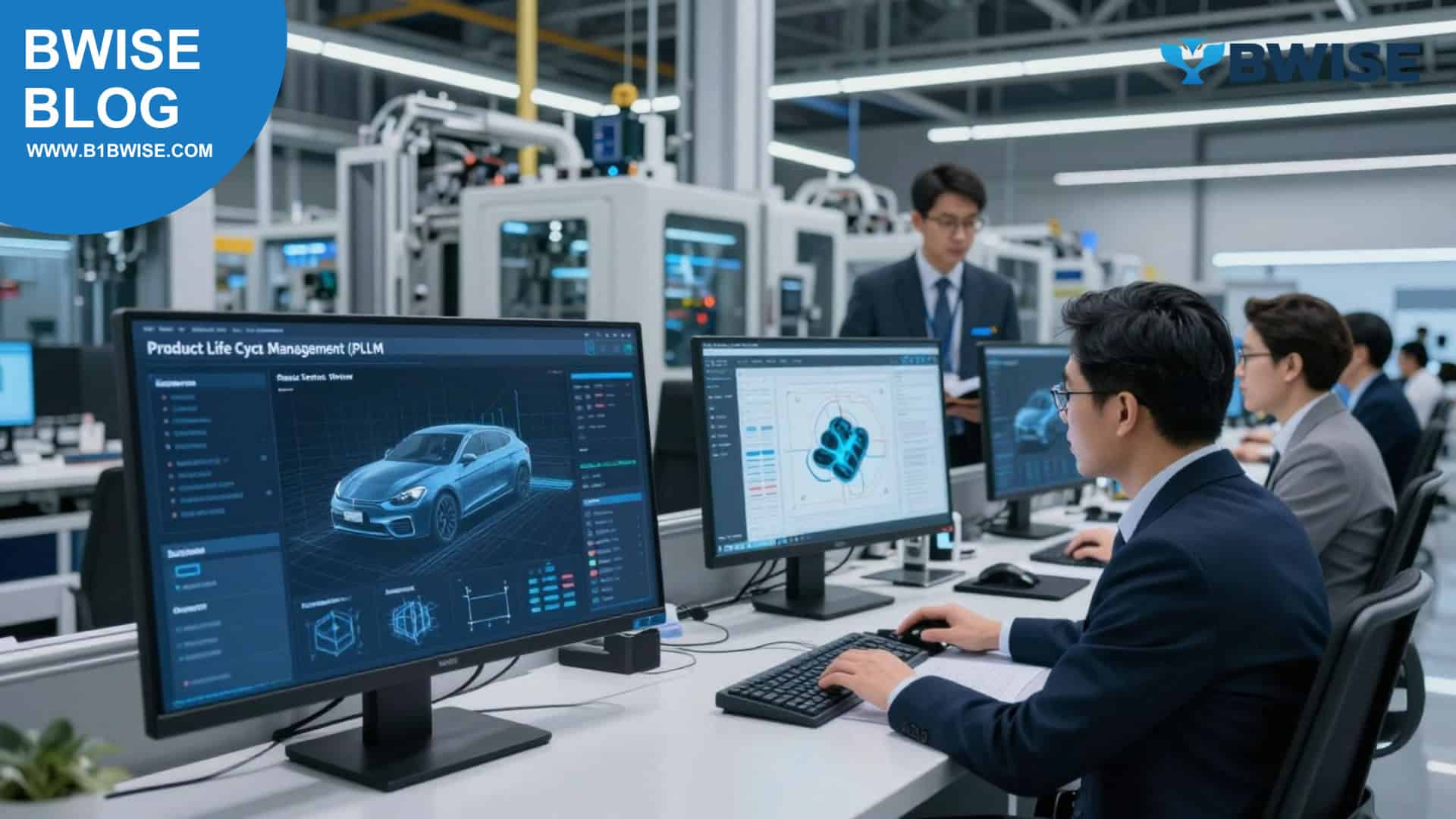
By integrating these systems, companies gain total visibility over every stage of vehicle development. This technology helps teams transition smoothly from initial design concepts to final assembly on the factory floor. Efficiency and precision become achievable goals rather than just aspirations.
Adopting this robust platform allows businesses to reduce errors and accelerate time-to-market. It ensures that every department works from a single source of truth, fostering better collaboration across the entire organization. Embracing these digital solutions is essential for any brand aiming to lead in today’s competitive landscape.
Key Takeaways
- Digital tools are vital for maintaining a competitive edge in the U.S. automotive sector.
- These systems provide a unified platform for tracking vehicle development from concept to production.
- Centralized data improves collaboration and reduces costly errors during manufacturing.
- Advanced technology helps companies accelerate their time-to-market for new vehicle models.
- Modernizing operations ensures long-term quality and operational efficiency for manufacturers.
The Role of Product Life Cycle Management Software in Modern Automotive Manufacturing
Building a car today requires more than just assembly lines and raw materials. As vehicles become increasingly sophisticated, manufacturers must manage massive amounts of data across various departments. This is where product life cycle management software becomes an essential tool for success.
By integrating digital platforms, companies can coordinate intricate engineering tasks across global teams with ease. These systems act as a single source of truth, ensuring that every engineer works from the most current design specifications. This level of coordination is vital for maintaining consistency in a fast-paced industry.
Streamlining Complex Engineering Workflows
Modern automotive design involves thousands of parts and complex software systems. PLM software helps teams break down these silos by centralizing engineering workflows into one accessible environment. This integration allows for better communication between mechanical, electrical, and software engineering departments.
When teams share a unified platform, they can identify potential design conflicts early in the process. This proactive approach significantly reduces the time spent on manual revisions. By automating routine tasks, engineers can focus their energy on innovation and performance improvements.
Ensuring Regulatory Compliance and Safety Standards
Navigating the rigorous safety regulations required for road-legal vehicles in the United States is a significant challenge. Manufacturers must document every step of the design process to meet strict government mandates. Using product life cycle management software ensures that all compliance documentation is accurate and easily retrievable.
This digital oversight helps teams maintain high safety standards throughout the entire production cycle. By tracking every component from concept to assembly, plm software minimizes the risk of errors that could lead to costly recalls. Ultimately, these tools provide the transparency needed to deliver safe, high-quality vehicles to the market.

Key Features to Look for in Automotive PLM Solutions
Selecting the right software is a critical step for any automotive manufacturer looking to modernize their production. As vehicle designs become more complex, the need for a comprehensive product life cycle management software becomes undeniable. Choosing a platform that aligns with your specific engineering goals ensures that your facility remains competitive in a fast-paced market.
Advanced CAD Integration and Data Management
Engineers often struggle with fragmented systems that fail to communicate effectively. A high-quality product development software must offer seamless CAD integration to bridge this gap. This capability allows your team to manage intricate 3D models and technical data without the friction of manual file transfers.
By centralizing your technical assets, you create a single source of truth for all departments. This streamlined data management reduces the risk of errors and ensures that every engineer works with the most accurate specifications available. It is a foundational element for any modern manufacturing environment.
Real-time Collaboration Tools for Global Teams
Automotive projects frequently involve teams spread across different continents and time zones. Effective PLM software provides the connectivity needed to keep these groups synchronized. Real-time collaboration tools allow designers and manufacturers to share feedback instantly, regardless of their physical location.
When teams can communicate within the same digital workspace, the speed of innovation increases significantly. Instant access to project updates prevents silos and fosters a culture of transparency. This level of connectivity is essential for maintaining momentum in complex vehicle development cycles.
Automated Change Management and Version Control
One of the most common pitfalls in manufacturing is the use of outdated design files. Automated change management and version control are vital features that protect your bottom line. By implementing this product development software, you ensure that all stakeholders are always working from the most current version of a design.
These automated systems track every modification, providing a clear audit trail for compliance and quality assurance. Preventing costly rework is a major advantage of using robust PLM software. By automating these repetitive tasks, your engineers can focus their energy on creative problem-solving rather than administrative oversight.
Benefits of Implementing Digital Transformation Tools in Vehicle Production
Integrating a modern digital transformation tool into your production line offers clear, measurable business advantages. By moving away from manual processes, manufacturers can create a more agile environment that responds quickly to market demands.
Accelerating Time-to-Market for New Models
Speed is a critical factor in the automotive industry. Using advanced PLM software allows teams to shorten the design-to-production cycle significantly. This efficiency ensures that new vehicle models reach the showroom floor faster than ever before.
When engineering and manufacturing teams share a single source of truth, they avoid costly delays. This seamless flow of information helps companies maintain a competitive edge in a crowded market.
Reducing Operational Costs Through Process Optimization
Process optimization is the backbone of a lean manufacturing strategy. By utilizing product development software, companies can identify bottlenecks before they impact the bottom line. This proactive approach leads to substantial cost savings by minimizing wasted materials and labor hours.
Streamlined workflows allow for better resource allocation across the entire factory. When every step of the production process is optimized, the overall cost per vehicle drops significantly.
Improving Quality Control and Defect Tracking
Maintaining high standards is essential for brand reputation and safety. A comprehensive digital transformation tool provides real-time visibility into every stage of assembly. This allows managers to catch potential issues early, which minimizes defects during the production phase.
Automated tracking systems ensure that every component meets strict regulatory requirements. By prioritizing quality control, manufacturers can deliver safer vehicles while reducing the need for expensive recalls or rework.
Integrating Supply Chain and Asset Management Software with PLM
Modern automotive manufacturing thrives when digital systems communicate seamlessly across the entire enterprise. By connecting a lifecycle management tool with your existing operational platforms, you create a cohesive environment that drives efficiency. This strategic alignment allows teams to move beyond isolated data and embrace a holistic view of production.
Creating a Unified Data Ecosystem
A unified data ecosystem serves as the backbone for high-performing automotive plants. When you integrate supply chain management software with your design data, information flows without friction between departments. This connectivity ensures that every stakeholder works from a single, accurate version of the truth.
Enhancing Visibility Across the Manufacturing Floor
Leadership teams require real-time insights to make informed decisions on the factory floor. Integrating asset management software provides managers with immediate visibility into equipment health and performance metrics. Proactive monitoring helps prevent unexpected downtime and keeps production lines moving at peak capacity.
Optimizing Inventory and Resource Allocation
Breaking down data silos allows manufacturers to align inventory levels perfectly with complex production schedules. By leveraging a lifecycle management tool, you can predict material needs with greater precision. This approach significantly reduces waste and ensures that resources are allocated where they are needed most, ultimately improving your bottom line.

Overcoming Challenges in Automotive Product Design Software Adoption
Transitioning to advanced digital tools requires more than just software installation; it demands a significant shift in mindset. Many organizations find that the human element is the most critical factor when implementing new product design software. By focusing on clear communication and gradual integration, companies can turn potential resistance into enthusiastic adoption.
Managing Cultural Shifts and Employee Training
A successful transition starts with acknowledging that your team may feel overwhelmed by new processes. Providing comprehensive training programs is essential to help staff feel confident using the latest product design software. When employees understand how these tools simplify their daily tasks, they are much more likely to embrace the change.
Leadership should foster an environment where questions are encouraged and mistakes are viewed as learning opportunities. Offering hands-on workshops and mentorship programs can bridge the gap between traditional methods and modern digital workflows. This supportive approach ensures that no one is left behind during the transition.
Ensuring Data Security and Intellectual Property Protection
As design processes move into the cloud, protecting your proprietary information becomes a top priority. Implementing robust cybersecurity protocols is vital when utilizing modern product design software to keep sensitive vehicle blueprints safe. You must ensure that access controls are strictly managed to prevent unauthorized data leaks.
Regular audits and encrypted storage solutions provide an extra layer of defense for your intellectual property. By prioritizing security from the start, you can innovate with peace of mind. Protecting your creative assets is just as important as the speed of your production cycle.
Scaling Solutions for Small to Mid-Sized Manufacturers
Many smaller firms worry that high-end technology is out of their reach or too complex to manage. Fortunately, modern product design software is becoming increasingly scalable, allowing businesses to start small and grow their capabilities over time. You do not need a massive infrastructure to benefit from advanced engineering tools.
Focusing on modular solutions allows mid-sized manufacturers to pay only for the features they currently need. This flexible approach helps maintain a healthy budget while still gaining a competitive edge in the automotive market. With the right strategy, even smaller teams can achieve world-class production standards.
Future Trends in Lifecycle Management Tools for Electric and Autonomous Vehicles
Future-proofing your production line requires a sophisticated lifecycle management tool that can handle the complexities of next-generation vehicles. As the industry shifts toward electric and autonomous platforms, manufacturers must adopt flexible systems to remain competitive. These advanced platforms provide the necessary framework to manage the rapid pace of innovation in the automotive sector.
Managing Battery Lifecycle and Sustainability Data
Electric vehicle production demands a rigorous approach to tracking battery health and environmental impact. Manufacturers now use specialized product design software to monitor the entire battery value chain, from raw material sourcing to end-of-life recycling. This level of transparency is essential for meeting global sustainability regulations and consumer expectations.
By integrating sustainability metrics directly into the development process, companies can reduce their carbon footprint significantly. Real-time data tracking ensures that every battery component meets strict safety and performance standards throughout its operational life. This proactive strategy helps manufacturers avoid costly recalls and environmental liabilities.
Simulating Complex Software-Defined Vehicle Architectures
Modern vehicles function more like mobile data centers than traditional mechanical machines. Engineers must now manage intricate software-defined architectures that integrate thousands of sensors, processors, and connectivity modules. A robust lifecycle management tool allows teams to simulate these complex systems before physical production begins.
Virtual testing environments enable developers to identify potential software conflicts early in the design phase. This digital twin technology reduces the need for physical prototypes and accelerates the time-to-market for new autonomous features. By streamlining these digital workflows, manufacturers can ensure that vehicle software remains secure and reliable.
Leveraging Artificial Intelligence for Predictive Maintenance
Artificial intelligence is changing how we maintain vehicle safety and performance over time. By analyzing data collected from the field, AI algorithms can predict component failures before they occur. This shift toward predictive maintenance ensures that autonomous vehicles remain safe and operational for their entire lifespan.
Advanced product design software now incorporates machine learning models to refine these maintenance schedules continuously. These insights allow manufacturers to provide over-the-air updates that optimize vehicle health remotely. Embracing these intelligent tools is the key to delivering a superior ownership experience in the age of autonomous mobility.
Conclusion
The automotive landscape in the United States is shifting at an unprecedented pace. Manufacturers now face the challenge of balancing complex vehicle architectures with the need for rapid production cycles. Adopting robust Product Life Cycle Management software serves as the backbone for this transition.
Companies like Siemens, Dassault Systèmes, and PTC provide the digital infrastructure required to thrive in this competitive environment. Relying on outdated manual processes limits your ability to innovate. Integrating advanced digital tools transforms how teams design, build, and maintain modern vehicles.
Your path toward operational excellence begins with a commitment to digital maturity. Investing in these platforms secures your position in the market while fostering a culture of continuous improvement. Leaders who prioritize these technological upgrades will define the next generation of mobility.
Take the next step in your digital journey today and contact us today. Evaluate your current workflows and identify where automation can drive better results for your production team. Your dedication to innovation ensures long-term success in an evolving global industry.