
Modern businesses face constant pressure to keep operations running smoothly despite global uncertainties. Achieving true supply chain visibility is the most effective way to connect information across your suppliers, facilities, and transportation networks. By breaking down data silos, companies gain a clearer picture of their entire logistics ecosystem.
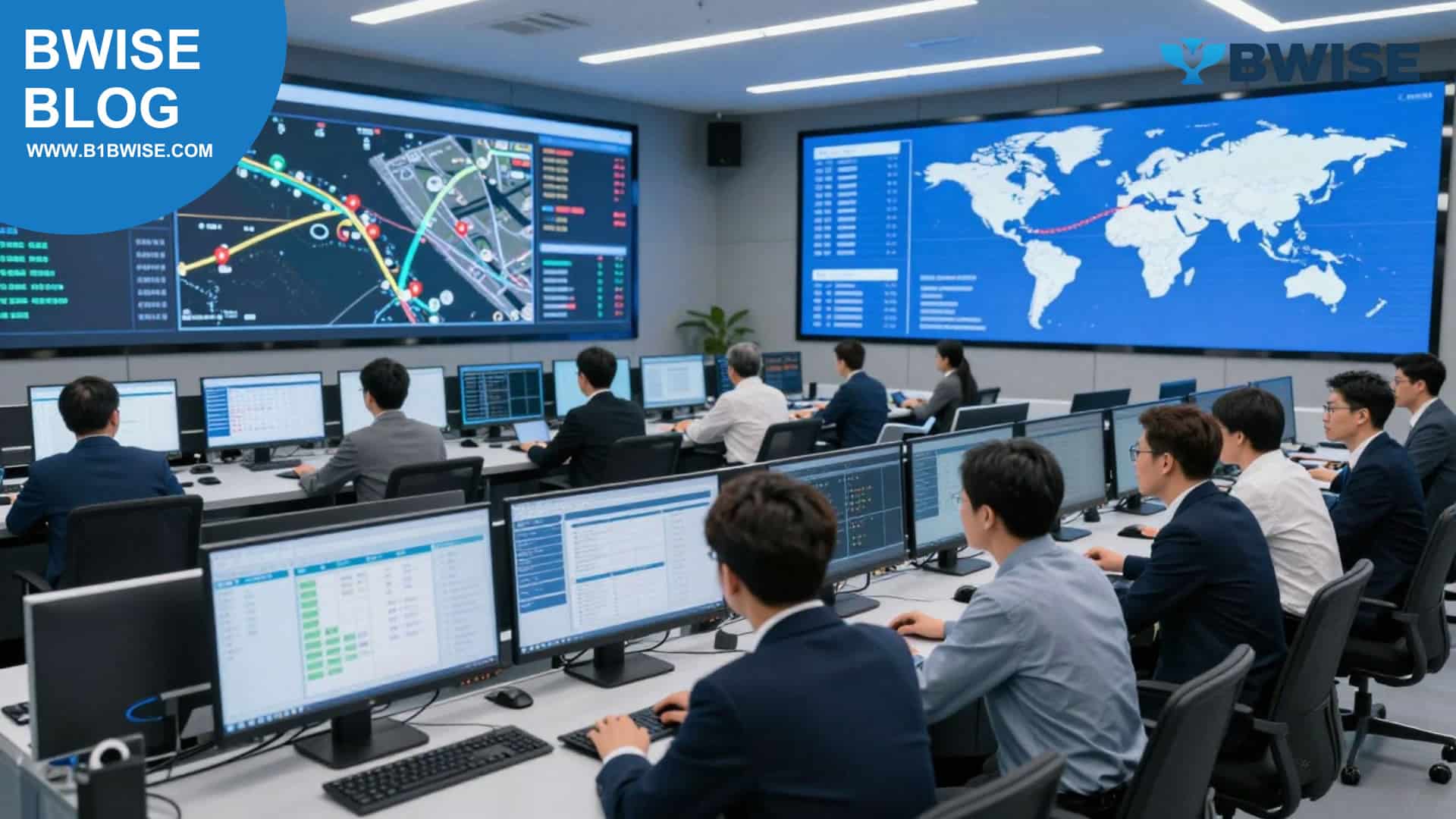
When you have access to real-time insights, you can anticipate potential bottlenecks before they escalate into major problems. This proactive approach leads to fewer disruptions and significantly stronger resilience against market shifts. Organizations that prioritize shared data empower their teams to make faster, smarter decisions every single day.
Ultimately, this level of transparency provides end-to-end control over your most critical operations. By coordinating responses across your customer base and partners, you minimize exposure to risk. Embracing these digital tools ensures your business remains agile and competitive in an unpredictable world.
Key Takeaways
- Real-time data integration helps identify potential bottlenecks before they impact your bottom line.
- Enhanced transparency across your network leads to fewer operational disruptions.
- Stronger resilience is built by fostering better communication between suppliers and customers.
- Coordinated responses allow teams to make faster, more informed decisions during crises.
- End-to-end control ensures that your critical operations remain stable despite global market shifts.
Why Supply Chain Visibility Is Essential for Risk Reduction
Hidden gaps in your data can quickly turn minor delays into major financial losses. When information is fragmented, decision-makers often struggle to identify threats before they escalate into full-blown crises. This lack of clarity is a primary driver of instability within any global supply chain.
Risks caused by delayed or incomplete information
Delayed data acts like a fog that prevents teams from seeing upcoming obstacles. When you rely on outdated reports, you are essentially flying blind while trying to navigate complex logistics networks. This creates a dangerous environment where proactive risk management becomes nearly impossible.
Incomplete information often hides critical dependencies between suppliers and distributors. Without a clear picture, companies fail to spot bottlenecks until it is too late to pivot. This reactive approach frequently leads to increased costs and damaged customer trust.
Why global supply chains require a shared operational view
A unified operational view is the backbone of a resilient global supply chain. By centralizing data, every department gains access to the same real-time insights. This alignment ensures that teams can coordinate their responses to sudden market shifts effectively.
Sharing information across the entire network helps identify emerging bottlenecks before they disrupt the flow of goods. When everyone understands the dependencies involved, the organization can act with greater speed and precision. Ultimately, a shared view transforms a complex global supply chain into a transparent and agile operation.

Building End-to-End Visibility Across the Supply Chain
Building a transparent supply chain starts with connecting your disparate data sources into one cohesive view. When information flows freely between departments, you gain the ability to monitor inventory and shipments with real-time tracking. This level of oversight is essential for maintaining control over complex global operations.
Using connected systems and application programming interfaces
Modern enterprises rely on application programming interfaces (APIs) to bridge the gap between legacy software and cloud-based platforms. These digital connectors allow different systems to talk to each other without manual intervention. By automating data exchange, companies ensure that their real-time tracking capabilities remain accurate and up-to-date.
Connected systems eliminate the silos that often hide critical supply chain bottlenecks. When your warehouse management software communicates directly with carrier portals, you receive instant updates on every shipment. This seamless integration provides the agility needed to respond to sudden market changes.
Establishing consistent data standards across partners
Visibility is only as good as the data feeding your dashboard. Establishing consistent data standards across all partners ensures that everyone speaks the same digital language. This uniformity reduces errors and eliminates the need for time-consuming manual reconciliation.
When partners agree on shared protocols, your supply chain becomes significantly more scalable. You can easily onboard new suppliers without worrying about data compatibility issues. Ultimately, standardized data creates a reliable foundation for effective real-time tracking and long-term operational success.
Using Data Analytics to Detect and Prevent Disruptions
Turning raw data into actionable insights is the secret to a resilient supply chain. By utilizing data analytics, companies can shift from a reactive stance to a proactive strategy. This transition allows teams to identify potential bottlenecks before they escalate into costly production delays.
Monitoring key performance indicators and early-warning alerts
Achieving true inventory transparency requires constant monitoring of your most critical metrics. When you track key performance indicators like lead times and stock levels, you gain a clearer picture of your operational health. Automated systems can then trigger early-warning alerts the moment a metric drifts outside of expected ranges.
These alerts act as a digital safety net for your logistics network. They provide the necessary time to adjust procurement plans or reroute shipments. By staying informed, you ensure that your business remains agile in a fast-paced market.
Separating meaningful risks from normal operational fluctuations
Not every minor change in your supply chain represents a major threat. Advanced data analytics help managers distinguish between standard operational noise and genuine risks. This prevents “alert fatigue” and ensures that your team focuses only on issues that truly impact service levels.
Maintaining high levels of inventory transparency allows you to see the difference between a temporary delay and a systemic failure. You can set specific thresholds that filter out daily fluctuations while highlighting significant deviations. This targeted approach keeps your operations running smoothly without unnecessary interruptions.
Improving Logistics Optimization and Operational Efficiency
Transforming your supply chain starts with better logistics optimization and smarter resource management. When you have a clear view of your entire network, you can make decisions that save time and money. This level of transparency is essential for maintaining high levels of operational efficiency in a competitive market.
Visibility allows you to balance your inventory levels with precision. By tracking goods in real-time, you can avoid the common pitfalls of holding too much stock or running out of essential items. This proactive approach helps you eliminate avoidable expediting costs that often arise from last-minute shipping emergencies.
Effective inventory management relies on accurate data. When you know exactly where your products are, you can optimize your storage and distribution strategies. Consider these key benefits of improved visibility:
- Lower carrying costs by reducing excess inventory.
- Higher customer satisfaction through fewer stockouts.
- Reduced reliance on expensive, last-minute air freight.
- Better alignment between supply and actual market demand.
Coordinating corrective actions across supply chain teams
Isolated problems often lead to bigger disruptions if teams do not communicate effectively. True logistics optimization requires breaking down internal silos so that everyone works from the same set of data. When a delay occurs, your logistics and procurement teams can coordinate a response immediately.
This collaborative environment fosters better operational efficiency by turning reactive firefighting into planned, strategic adjustments. Instead of managing isolated issues, your staff can focus on long-term improvements. By sharing insights across departments, your organization becomes more agile and capable of handling unexpected challenges with ease.

Making Visibility a Sustainable Supply Chain Management Practice
Long-term success in supply chain management depends on embedding visibility into your daily operations. Rather than viewing transparency as a one-time technology project, industry leaders treat it as a permanent capability. This shift ensures that your organization remains agile when facing unexpected market changes.
Data is only useful if your team knows how to interpret and act upon it. You must prioritize data literacy training to ensure that employees across all departments understand the shared insights provided by your visibility tools. When staff members feel empowered to make informed decisions, the entire organization becomes more responsive.
Consider implementing these strategies to foster a culture of proactive problem-solving:
- Host regular workshops to review real-time logistics data.
- Create cross-functional teams to address bottlenecks quickly.
- Establish clear protocols for escalating issues identified through tracking software.
- Reward employees who use visibility insights to prevent potential disruptions.
Scaling visibility initiatives as the business grows
As your company expands, your approach to supply chain management must evolve to handle increased complexity. Scaling visibility requires robust governance and a commitment to bringing your partners into the fold. You cannot achieve full transparency if your suppliers and logistics providers are not aligned with your digital standards.
Start by standardizing data sharing requirements in your contracts to ensure consistent reporting. As you grow, focus on integrating new partners into your existing ecosystem to maintain a single source of truth. By building a scalable framework today, you ensure that your operations remain resilient regardless of how large your network becomes.
Conclusion
Modern global trade demands a proactive approach to risk management. Achieving true supply chain visibility allows your organization to anticipate shifts before they impact your bottom line.
Companies like Amazon and Walmart set the standard for tracking goods across complex networks. You can mirror this success by integrating connected systems that provide real-time insights. Reliable data serves as the foundation for every smart choice your team makes.
Advanced analytics tools turn raw information into actionable intelligence. This process helps you maintain control over your inventory while reducing unexpected disruptions. Strong supply chain visibility empowers leaders to navigate market volatility with confidence.
Start your journey toward better operational oversight today. Combine your digital infrastructure with a culture of coordinated decision-making to protect your business interests. A clear view of your entire network creates a lasting competitive advantage in an unpredictable world.