
The industrial landscape in the United States is undergoing a massive transformation. Many companies are moving away from outdated, manual processes to embrace modern digital frameworks. This shift is essential for businesses that want to remain competitive in a fast-paced global market.
Adopting an ERP system for manufacturing allows leaders to gain real-time visibility across their entire factory floor. By breaking down data silos, teams can make smarter decisions that improve overall output and reduce waste. This level of insight is no longer just a luxury; it is a core requirement for success.
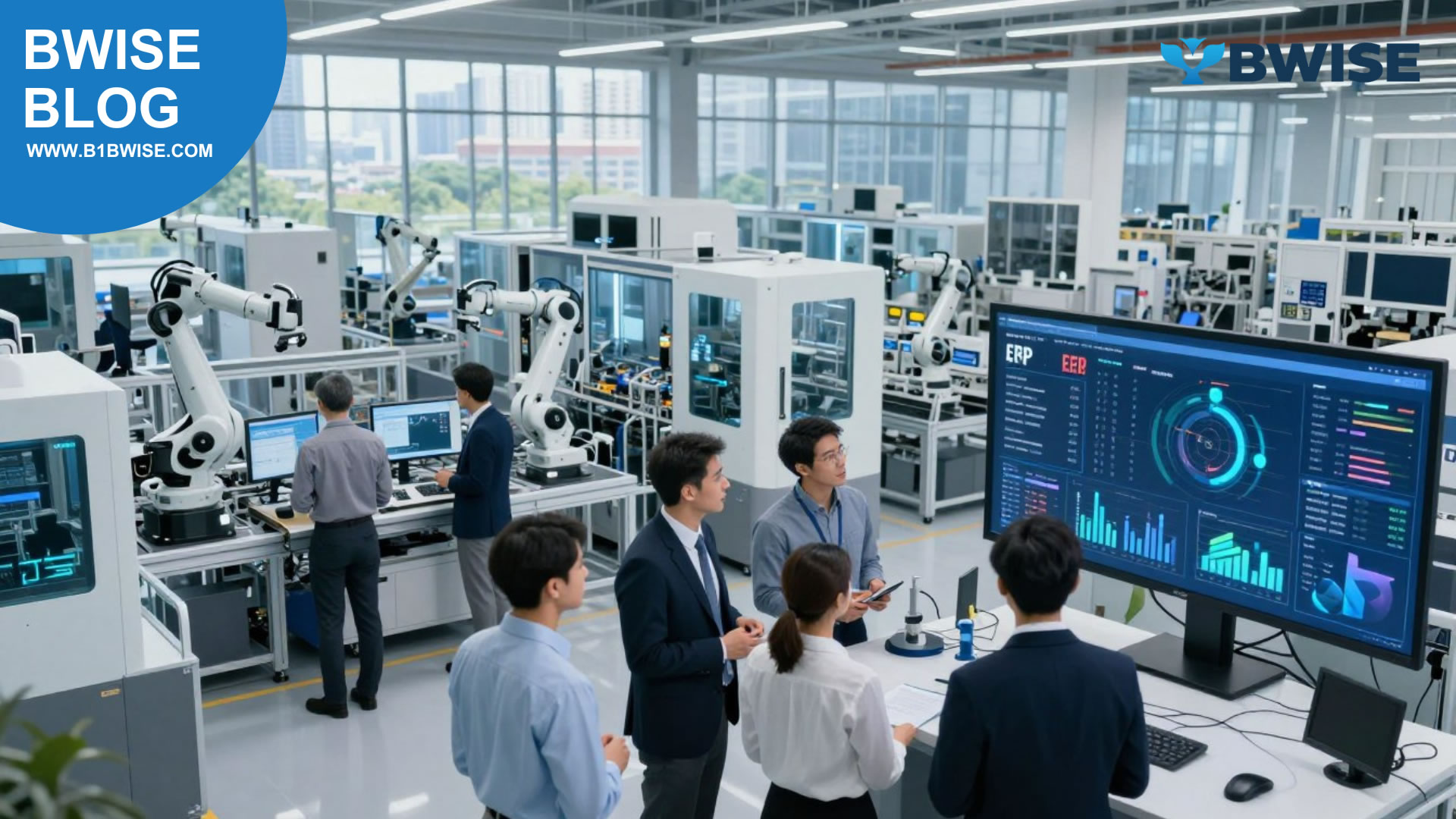
Navigating complex supply chains and shifting consumer demands requires agility. When you implement a robust ERP system for manufacturing, you equip your organization with the tools needed to thrive. Embracing this technology ensures your business stays ahead of the curve while meeting the high standards of today’s industrial sector.
Key Takeaways
- Digital transformation is vital for staying competitive in the modern US market.
- Moving from manual processes to integrated software increases operational efficiency.
- Real-time data visibility helps managers make informed, rapid decisions.
- Advanced technology allows firms to navigate global supply chain complexities with ease.
- Modern software solutions are essential for adapting to fluctuating market demands.
The Evolution of the ERP System for Manufacturing
Decades ago, managing a factory floor required little more than paper ledgers and manual tracking. Businesses relied on separate, disconnected tools to handle basic inventory and accounting tasks. This fragmented approach often led to errors and significant delays in production schedules.
As technology advanced, the need for a more cohesive ERP system for manufacturing became clear. Companies began moving away from manual processes toward early software programs designed to automate specific tasks. These initial steps laid the groundwork for the comprehensive digital environments we rely on today.
Modern manufacturing ERP solutions have evolved to bridge the gap between various departments. Instead of working in silos, teams now share data across a single, unified platform. This shift allows for real-time visibility into every stage of the production cycle.
Today, a robust ERP system for manufacturing integrates complex modules that manage everything from raw material procurement to final product delivery. By automating these workflows, businesses can reduce waste and improve overall efficiency. This interconnected nature is the hallmark of modern industrial success.
The transition from basic inventory tools to sophisticated manufacturing erp solutions has empowered leaders to make data-driven decisions. By understanding this historical progression, companies can better appreciate the depth of functionality available to them. Embracing these integrated platforms is essential for staying competitive in a fast-paced global market.

Key ERP Features for Manufacturing Sector Success
Selecting the best ERP system for the manufacturing industry requires a clear understanding of essential features. These platforms act as the central nervous system for your factory, connecting disparate processes into one cohesive unit. By prioritizing specific tools, companies can ensure they remain both compliant and highly efficient.
One of the most critical functions is the use of automated documentation. This capability ensures that every step of the production cycle is recorded accurately without manual intervention. By removing the need for paper trails, businesses significantly reduce the risk of human error and maintain strict adherence to industry regulations.
Furthermore, top manufacturing ERP software provides advanced predictive maintenance integration. Instead of waiting for a machine to break down, the system analyzes performance data to alert teams before a failure occurs. This proactive approach is a game-changer for plant managers looking to minimize costly downtime.
These specific ERP features for manufacturing sector success are vital for maintaining high production standards. When your software can predict issues and automate compliance, your team can focus on innovation rather than troubleshooting. Investing in these capabilities ultimately maximizes your return on technology and keeps your operations running smoothly.
The Shift Toward Cloud-Based ERP for Manufacturing
The shift toward cloud-based ERP for manufacturing is changing how factories manage their daily workflows. Companies are moving away from rigid, on-premise servers to embrace the flexibility of the cloud. This transition allows businesses to stay agile in a fast-paced global market.
One of the primary benefits of this technology is unparalleled scalability. Manufacturers can easily adjust their computing resources based on real-time production needs. By avoiding heavy upfront infrastructure costs, firms can allocate their capital toward innovation and growth instead of hardware maintenance.
Modern cloud-based ERP for manufacturing platforms also prioritize data protection. These systems feature enhanced security protocols that often exceed what a single company could maintain on its own. Regular updates and automated backups ensure that critical production data remains safe from potential threats.
Remote accessibility is another game-changer for distributed teams. Managers can now monitor production lines or check inventory levels from any location with an internet connection. This level of visibility helps leadership make informed decisions without needing to be physically present on the factory floor.
Finally, adopting a cloud-based ERP for manufacturing fosters better collaboration across different geographic locations. Teams can share insights and synchronize schedules in real time, breaking down communication silos. This connected approach leads to smoother operations and higher overall productivity for the entire organization.
Strategic Benefits of ERP Implementation in Manufacturing
Strategic growth in manufacturing often hinges on the tools you choose to manage your business. By adopting manufacturing ERP solutions, companies can transform how they handle complex production cycles and supply chain demands.
One of the primary ERP system benefits for manufacturing is the dramatic improvement in inventory accuracy. When data is centralized, teams no longer struggle with manual tracking errors or stock discrepancies. This precision allows for better resource allocation, ensuring that materials are available exactly when they are needed on the factory floor.
Beyond daily operations, these systems provide powerful financial reporting capabilities. Leadership teams gain a clear view of costs, margins, and profitability in real time. This transparency empowers managers to make data-driven decisions that directly impact the bottom line.
Investing in the right technology also builds long-term operational resilience. As global markets become more volatile, having a unified platform helps businesses adapt quickly to sudden shifts in demand. Ultimately, leveraging ERP system benefits for manufacturing creates a stable foundation for sustainable growth and competitive advantage in the United States market.

Best Practices for Manufacturing Industry ERP Integration
Achieving a seamless transition to new software requires a clear and actionable roadmap. When you begin your ERP implementation in manufacturing, you must first define your specific business goals. Without clear objectives, it is easy for projects to lose focus and drift away from the intended operational improvements.
Successful manufacturing industry ERP integration relies heavily on the quality of your data. Before you migrate, take the time to clean your existing databases to remove outdated or duplicate records. This step ensures that your new system operates with accurate information from day one.
Comprehensive staff training is another pillar of a successful rollout. You should involve your team early in the process to build buy-in and reduce resistance to change. Empowering employees with hands-on training helps them feel confident using the new tools in their daily production workflows.
To avoid common pitfalls during your ERP implementation in manufacturing, prioritize a phased approach rather than a total system overhaul. Testing the software in a controlled environment allows you to identify bugs before they impact your factory floor. This strategy minimizes downtime and keeps your production lines moving smoothly.
Finally, remember that manufacturing industry ERP integration is an ongoing journey rather than a one-time event. Regularly review your system performance and gather feedback from your operators to make necessary adjustments. By staying flexible and committed to continuous improvement, you ensure that your technology investment delivers long-term value for your business.
Conclusion
Modern manufacturing demands a shift toward smarter, data-driven operations to remain relevant. Companies that integrate robust ERP technology position themselves to navigate complex supply chains and shifting market demands with ease.
Adopting these digital tools allows your team to optimize production workflows while maintaining strict regulatory compliance. You gain the visibility needed to scale operations and outpace competitors in a crowded global marketplace.
The path to digital maturity starts with a commitment to continuous improvement. Leaders at organizations like General Electric and Siemens demonstrate that leveraging real-time data leads to superior efficiency and innovation.
Evaluate your current infrastructure today to identify gaps in your digital strategy. Investing in the right software platform serves as the foundation for long-term growth and operational excellence.
Your journey toward a fully connected factory floor begins with a single step. Reach out to BWISE to explore how tailored solutions can transform your business model for the years ahead.