
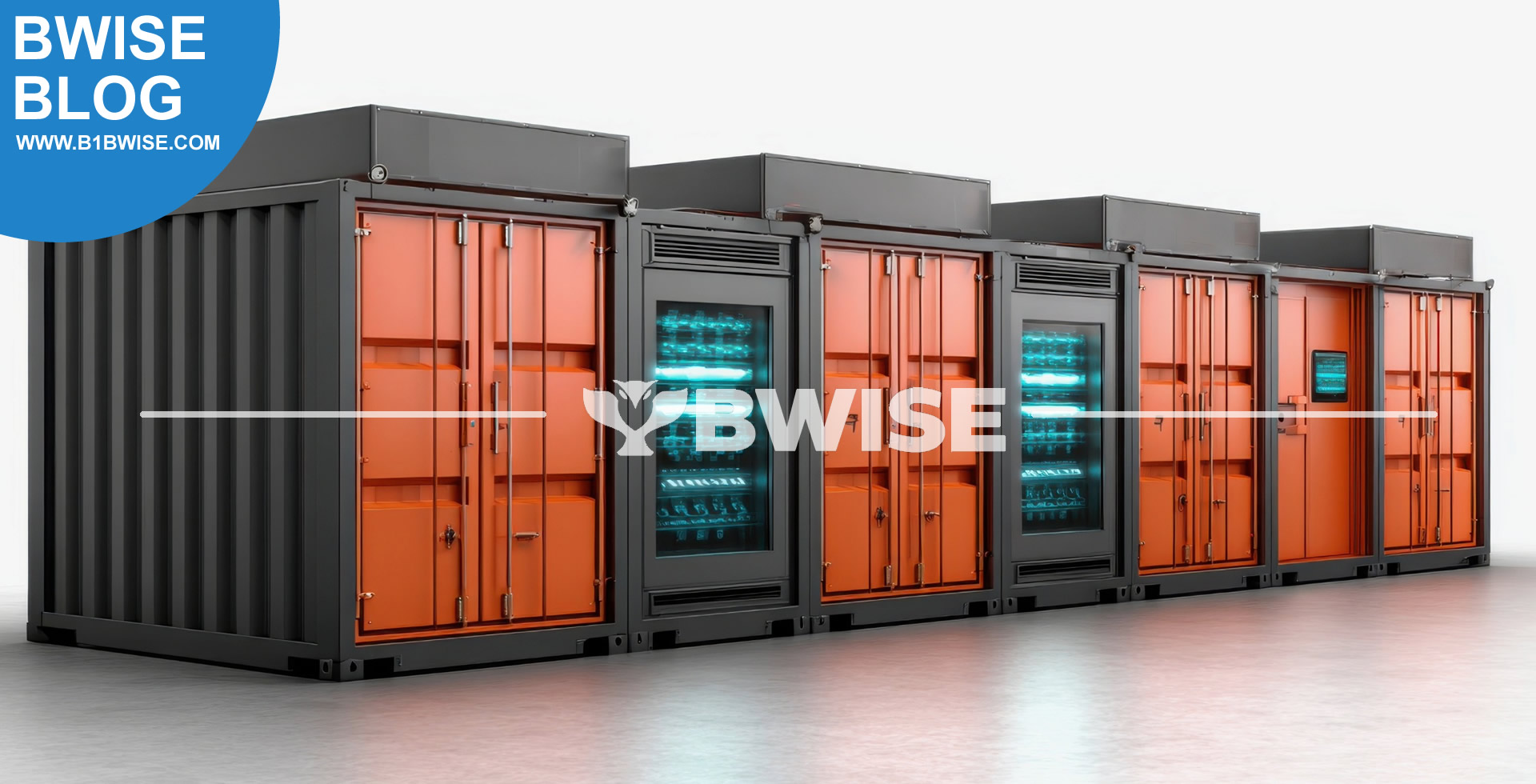
In response to sustained global volatility, the logistics industry is abandoning the rigid, linear supply chain models of the past. The strategic vision for modern logistics is defined by two key concepts: modularity and multimodality. These principles promise to create logistics networks that are not just efficient, but truly resilient, flexible, and capable of adapting instantly to market shifts and crises. This strategic shift has generated a wave of questions centered on the practical definitions, necessary technology, and measurable benefits of building this next-generation supply chain.
Defining the Concepts: Flexibility as a Strategy
A modular supply chain is constructed using standardized, interchangeable “blocks” or “modules.” These modules can represent any part of the network: a pre-qualified supplier, a standardized logistics process, a production site, or a fulfilment service. The benefit of standardization is the ability to quickly assemble, reconfigure, or swap out components when necessary. If one manufacturing module fails, a pre-qualified alternative module can be plugged in instantly, drastically reducing downtime.
Simply using different carriers (e.g., using FedEx and UPS) is basic logistics. True Multimodal Logistics involves the seamless, integrated coordination of two or more distinct transport modes (e.g., combining ocean freight, rail, and truck) under a single contract and using a single, unified data platform. The goal is to optimize the entire end-to-end journey for cost, speed, and sustainability, selecting the best combination of modes for each leg of the trip.
The primary strategic goal is achieving maximum resilience and agility.
- Modularity enables instant risk mitigation by providing interchangeable backups.
- Multimodality provides flexibility in execution, ensuring that if a crucial ocean lane is blocked (e.g., due to a port strike or geopolitical crisis), the shipment can be dynamically rerouted onto a combined rail/truck or air/truck lane without major disruption.
Implementation and Operational Requirements (The How-To)
Building a truly flexible network requires overcoming significant operational and technological inertia. The main hurdles are not physical, but digital and cultural:
- System Fragmentation: Modular processes require standardized, clean data across the entire ecosystem. The reality is that most companies use disparate ERPs, WMSs, and TMSs that don’t speak the same digital language, trapping data in silos.
- Lack of Partner Trust: Effective modularity requires partners to share real-time capacity and performance data, which many are hesitant to do without strong data governance and trust frameworks.
The solution requires a specialized platform, such as an advanced Multi-Enterprise Supply Chain Business Network (MESCBN) or an integrated Control Tower. This platform must:
- Unify Data: Connect all partners and modes (carriers, terminals, 3PLs) to create a single source of truth for all shipments.
- Provide End-to-End Visibility: Show the real-time location and status of freight across all legs of the journey.
- Execute Optimization: Use AI/ML optimization algorithms to dynamically calculate the cost/time/sustainability trade-off for every possible multimodal option, making instantaneous execution decisions.
Traditional silos must be eliminated. Planning (forecasting demand and inventory placement) must be instantly connected to Execution (booking and tracking freight). The platform must allow the planner to see real-time capacity and rates for all modes simultaneously and then execute the chosen multimodal plan instantly, ensuring decisions are optimized for the total cost and time of the entire journey.
Benefits and Impact: The Measurable Advantages
The investment in modularity and multimodality delivers clear, quantifiable returns across three key dimensions.
How does a multimodal approach impact costs and sustainability?
- Cost Efficiency: Multimodal strategies strategically utilize less expensive modes (ocean or rail) for the long-haul segments, reserving more costly truck or air options only for speed-critical segments. This often leads to a lower total transportation cost compared to relying solely on expensive, single-mode alternatives.
- Sustainability: Rail and ocean transport are significantly more fuel-efficient per ton-mile than trucking or air freight. By consciously designing multimodal lanes, companies directly reduce their Scope 3 (transportation) carbon emissions, helping them meet corporate Environmental, Social, and Governance (ESG) targets.
How does a modular supply chain improve risk management?
Modularity transforms risk response from reactive to proactive. By having pre-qualified, interchangeable “modules” (alternate suppliers, factories, or logistics hubs) ready to activate, a company can instantly swap out a failed module. This cuts the lead time for recovery from weeks (spent scrambling for a new source) to mere hours, dramatically enhancing business continuity.
What is the impact of modularity on product design and manufacturing?
Modularity strongly encourages the strategy of “postponement.” This is where manufacturing focuses on the core, common product (“the module”) in large, efficient batches, while final customization (packaging, localization, final assembly) is delayed until the product arrives at the fulfilment centre closest to the customer. This reduces inventory risk across the entire network, as the large inventory pool consists of generic core components rather than pre-customised, specialized products.
Organizational Shifts: The Partnering Rules
A modular network requires a flexible organizational structure and different expectations from partners. The organizational rule is to dissolve rigid functional silos. Companies must move away from having separate teams for “Ocean,” “Air,” and “Truck” planning and move towards integrated logistics teams governed by a central Control Tower. This team is empowered to see the whole picture and make real-time decisions that optimize the end-to-end multimodal flow, rather than just the performance of one functional segment.
Partners must be viewed as highly flexible “service modules.” They must be:
- Technologically Sophisticated: Capable of integrating data via APIs in real-time.
- Process Standardized: Willing to adhere to standardized operating procedures and data formats.
- Agile and Scalable: Ready to be rapidly integrated and scaled up or down based on the client’s needs, supporting flexible service level agreements (SLAs) across different modes.
The future of the supply chain is defined by its ability to fluidly reconfigure itself. By embracing modular design and multimodal execution, companies are trading the rigidity of the past for the agility needed to thrive in the volatile, interconnected global marketplace of today.