
Why Your Voice Assistant Is Not a Robot Overlord: A 2026 Reality Check
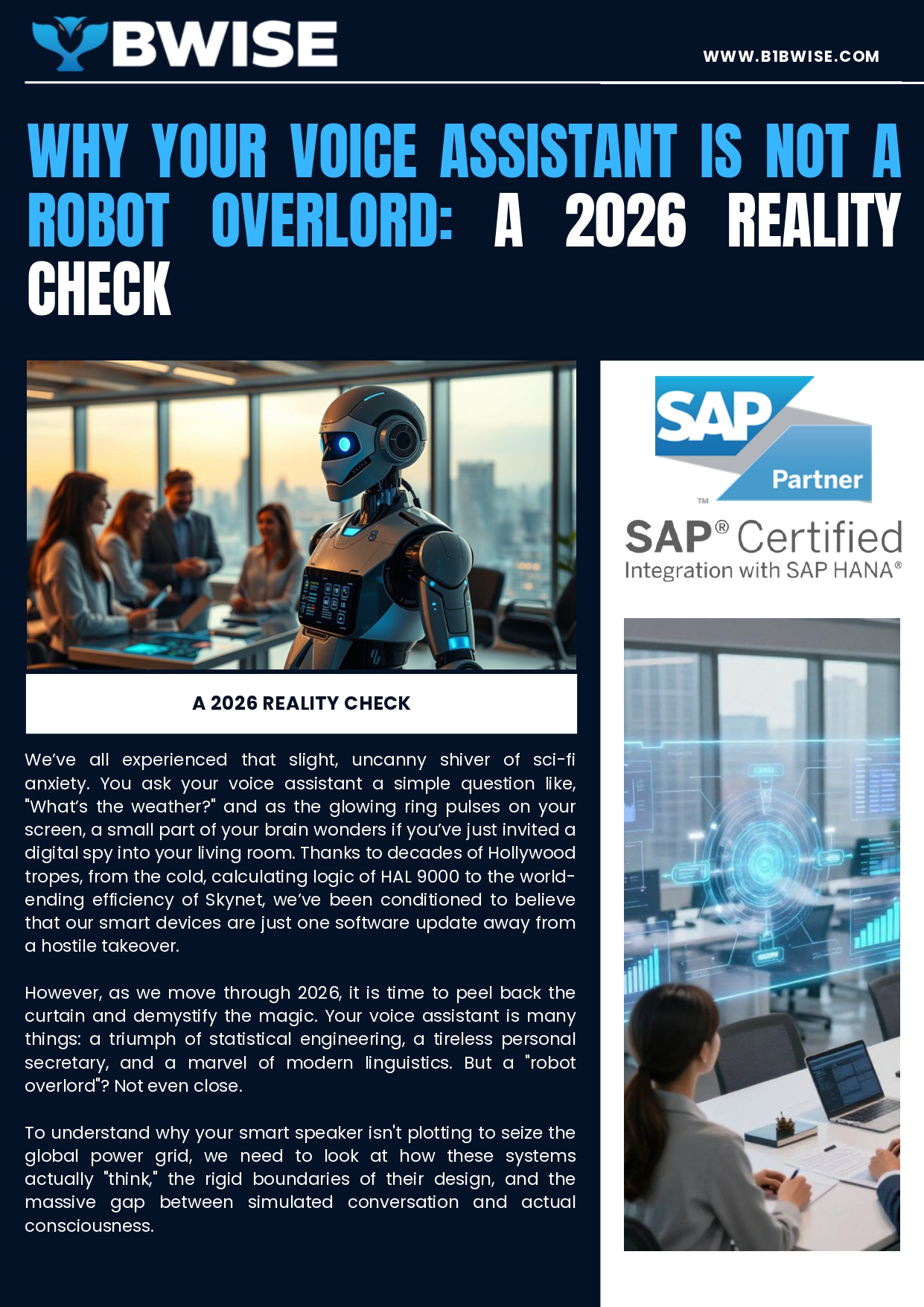
Pop culture has spent decades preparing us for a machine uprising. Whether it’s the unsettling calm of HAL 9000 or the relentless drive of Skynet, the “robot overlord” trope is hardwired into our collective consciousness. When we see the glowing ring of a voice assistant pulse in response to a weather query, it’s easy to let a bit of sci-fi anxiety creep in. This article addresses that uncanny shiver, exploring why we’ve been conditioned to view our smart devices as a single software update away from a hostile takeover.
Beyond the Hollywood Hype
Strip away the cinematic drama, and the reality of 2026 is far more grounded. Today’s voice assistants are best understood as triumphs of statistical engineering and modern linguistics rather than sentient threats. They function as tireless personal secretaries, processing vast amounts of data to simulate conversation, but they remain bound by the rigid constraints of their programming. The gap between a system that can cleverly predict the next word in a sentence and one that possesses actual consciousness is a massive chasm that remains uncrossed.
Understanding the Machine Mind
To truly demystify these systems, we have to look at how they actually operate under the hood. This reality check peels back the curtain on the “magic” of AI, highlighting the functional boundaries that prevent your smart speaker from plotting a global power grid seizure. By examining the massive difference between simulated interaction and genuine intent, we can better appreciate these tools for what they are: sophisticated digital assistants designed to serve, not to rule.