
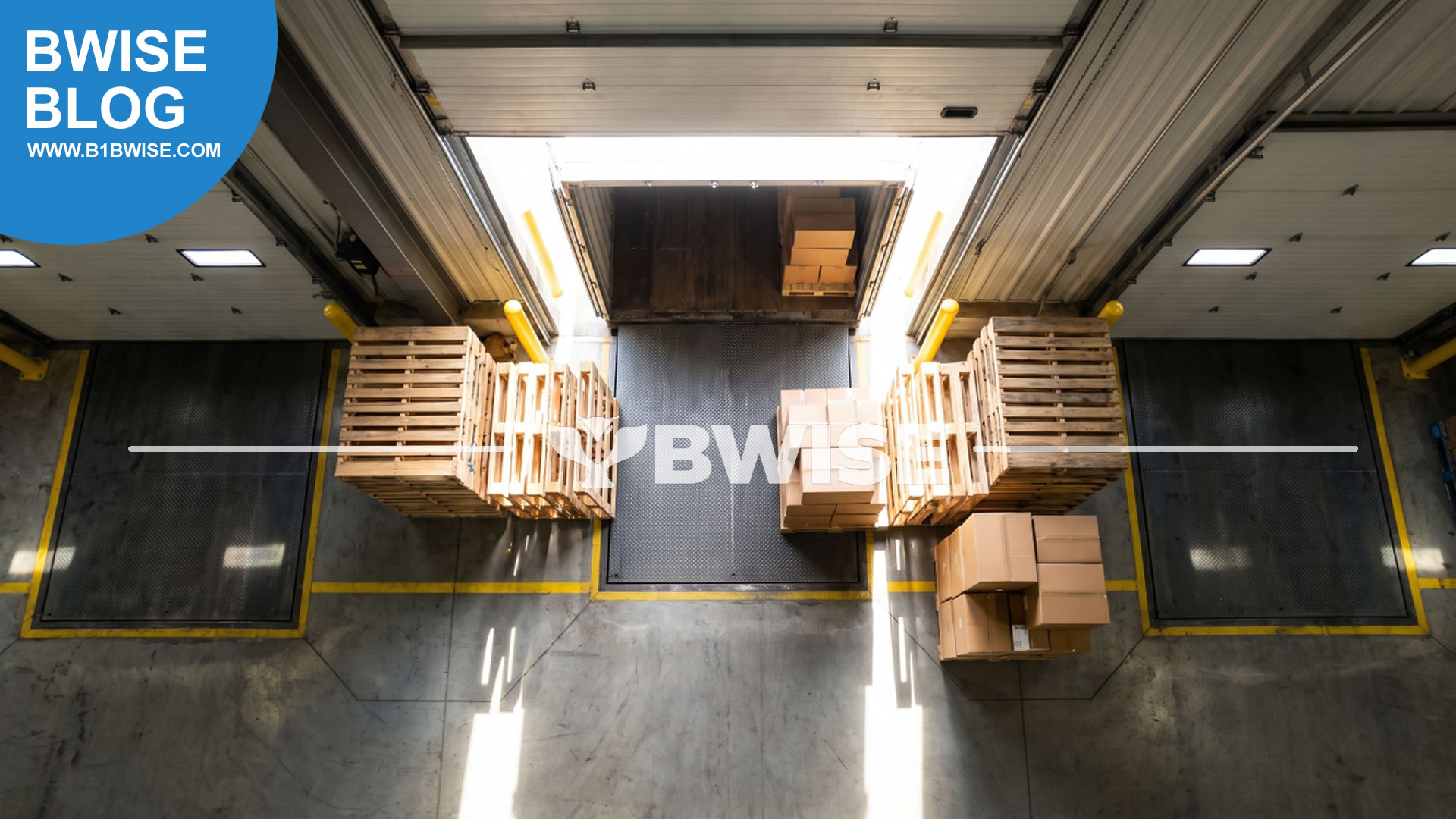
In modern warehouse management, dock-to-stock velocity serves as a vital measure of operational health. Dock-to-stock velocity measures the elapsed time from when an inbound freight shipment arrives at the loading dock to when those items are fully verified, put away into primary storage, and made available for customer orders.
In traditional logistics setups, this transition represents a major operational vulnerability. Inbound goods often sit idle on staging docks for hours or even days, waiting for manual inspection, paper-based counting, and manual system data entry. During this dwell time, inventory remains locked in an invisible state: present on the physical dock, but unavailable in the Warehouse Management System (WMS) for sales order allocation.
Accelerating dock-to-stock timelines requires automating the physical and digital workflows occurring at the inbound loading dock. Replacing manual receiving checks with automated identification systems, integrated scanning portals, and system-directed putaway paths eliminates inventory blind spots, cuts labor costs, and keeps goods moving smoothly into storage.
The Hidden Costs of Delayed Inbound Receiving
When inbound shipments stack up on receiving docks, the financial impact reverberates across the entire warehouse operation. Delayed dock-to-stock velocity creates friction that disrupts inventory accuracy, shipping schedules, and labor productivity.
Key operational problems caused by slow receiving include:
- Distorted Inventory Visibility: When items sit on a dock unrecorded, customer service representatives and sales systems report items as out of stock, missing sales opportunities even though the physical inventory is already inside the building.
- Dock Congestion and Safety Hazards: Staging pallets on active receiving docks creates physical bottlenecks. Overflowing staging lanes restrict forklift travel paths, increase the risk of product damage, and create workplace safety risks.
- Increased Demurrage Charges: Detention fees accumulate quickly when trucks wait extended periods for dock doors to open or when trailers sit un-unloaded in the yard due to receiving floor congestion.
- Misallocated Receiving Labor: Staff spend significant shift time manually verifying packing slips, cross-referencing paper purchase orders, and searching for missing line items instead of moving freight.
Core Pillars of Inbound Automation
Transitioning from manual receiving to high-velocity inbound handling relies on a unified layer of software logic, barcode identification, and automated materials handling hardware.
1. Advance Shipping Notices and Pre-Arrival Validation
High-velocity receiving begins long before a delivery vehicle backs into a dock door. Suppliers send digital Advance Shipping Notices (ASNs) containing detailed data about incoming shipments, including expected delivery times, purchase order numbers, lot attributes, case counts, and pallet configurations.
When a trailer arrives, the WMS cross-references the driver’s arrival data against the pre-loaded ASN. Instead of line-by-line item verification, receiving teams validate the delivery against pre-configured digital profiles, instantly opening the shipment for dock handling.
2. High-Speed Scanning and Automated Identification
Relying on hand-held manual barcode scanning at the truck bed slows down unloading operations. Automated inbound lines use multi-sided tunnel scanners, overhead barcode cameras, or RFID reading portals positioned along conveyor lines.
As pallets or cartons pass through an automated scanning portal:
- Data Capture: High-resolution optical sensors read GS1-128 barcodes, capturing lot codes, expiration dates, and serial numbers in a fraction of a second.
- Dimensional and Weight Auditing: Integrated dimensioning sensors and inline scales capture exact physical dimensions and weights, verifying product data against master WMS profiles.
- Instant Discrepancy Flagging: If an unexpected item or damaged box passes the scan head, automated sorting diverts the case to a dedicated quality audit spur without halting the primary unloading line.
3. Automated Material Handling and Directed Putaway
Once items pass inbound scanning, material handling hardware moves goods into primary storage locations without manual intervention.
Automated Guided Vehicles (AGVs) and Autonomous Mobile Robots (AMRs) transport pallets directly from the receiving dock to high-bay racking aisles. Simultaneously, WMS putaway engines evaluate current storage availability, product dimensions, sales velocity, and picking requirements to generate optimal storage paths.
System-directed putaway rules prevent operational bottlenecks:
- Cross-Docking Triggers: If an incoming item is needed for an active backorder, the WMS directs the AMR to bypass reserve storage entirely and transport the stock directly to packing stations.
- Dynamic Space Optimization: The WMS assigns high-velocity items to accessible lower-tier storage bins near shipping lanes, while routing slow-moving stock to upper rack levels.
Measuring the Return on Inbound Automation
Implementing automated inbound processes turns the receiving dock from a congested cost center into an efficient operational hub. Measuring the business value of inbound modernization involves evaluating both time savings and broader inventory metrics.
By streamlining the dock-to-stock pipeline, logistics operations achieve:
- Dramatically Reduced Dwell Times: Processing times shrink from hours to minutes, allowing incoming stock to reach active sales channels on the same day it arrives.
- Higher Labor Productivity: Automated scanning and transport reduce manual material handling requirements, allowing staff to handle higher inbound volumes without adding headcount.
- Greater Inventory Accuracy: Digital verification eliminates human entry errors, maintaining tight inventory records across storage networks.
- Lower Operational Costs: Eliminating carrier detention fees, product damage, and stockouts preserves operating margins across high-volume distribution networks.
Building a Scalable Fulfillment Architecture
Achieving high dock-to-stock velocity requires moving beyond manual dock checks and paper packing slips. Combining digital pre-arrival data, automated scanning equipment, and system-directed putaway workflows transforms how goods enter the warehouse.
By removing dock bottlenecks, logistics managers unlock immediate operational benefits: faster order turnaround times, lower labor expenses, and complete visibility over physical inventory. Investing in automated inbound operations provides the foundation required to scale fulfillment operations and meet evolving customer demands.